

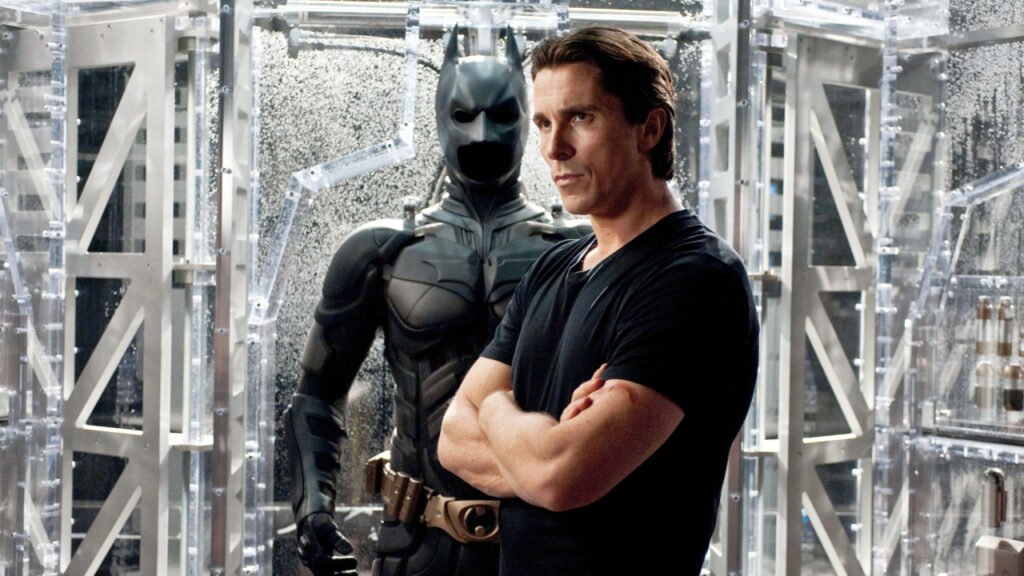
Christian Bale has built a career that few actors can match. Over four decades, he has transformed himself into serial killers, superheroes, war veterans, race-car drivers, politicians, and historical figures with a level of commitment that has become the stuff of Hollywood legend.
Whether audiences first discovered him as Batman, Patrick Bateman, or the dangerously emaciated Trevor Reznik, Bale has earned a reputation for disappearing into every role he takes. His performances rarely rely on movie-star charisma alone. Instead, they are defined by obsessive preparation, dramatic physical transformations, and an unwavering commitment to the character above everything else.
Table of Contents
From A Nomadic Childhood To Hollywood Stardom
Christian Charles Philip Bale was born on January 30, 1974, in Haverfordwest, Pembrokeshire, Wales. Although he was born in Wales, Bale has always identified as English, once remarking, “I was born in Wales but I’m not Welsh—I’m English.”
His upbringing looked nothing like the stable childhood many future actors describe. By the time he reached his mid-teens, Bale had already lived in around 15 different towns as his family moved frequently between Wales, Portugal, Oxfordshire, and England’s southern coast before eventually settling in Bournemouth.
Bale’s family exposed him to creativity long before he stepped in front of a camera. His mother, Jenny James, worked as a circus performer and clown, while his father, David Bale, flew commercial aircraft before becoming an entrepreneur and environmental activist. Entertainment also ran through the family. One grandfather worked as a comedian, while another served as a stunt double and stand-in for John Wayne, giving Bale an early connection to performance without ever pushing him toward acting.
Unlike many of his contemporaries, Bale never attended drama school or received formal acting training. He briefly took ballet lessons as a child, but acting entered his life almost by accident.
He has admitted that he pursued auditions simply because people around him encouraged him to try, seeing little reason to refuse. That casual beginning quickly turned into steady work. He appeared in television commercials for Lenor fabric softener and Pac-Man cereal before making his West End debut opposite Rowan Atkinson in ‘The Nerd’.
Everything changed in 1987 when Steven Spielberg selected the 13-year-old Bale from roughly 4,000 hopefuls to lead Empire of the Sun. The performance launched him onto the international stage almost overnight, but it also marked the beginning of a career that would prove far more complicated than the fairytale many imagined.
The Child Star Who Nearly Walked Away From Acting
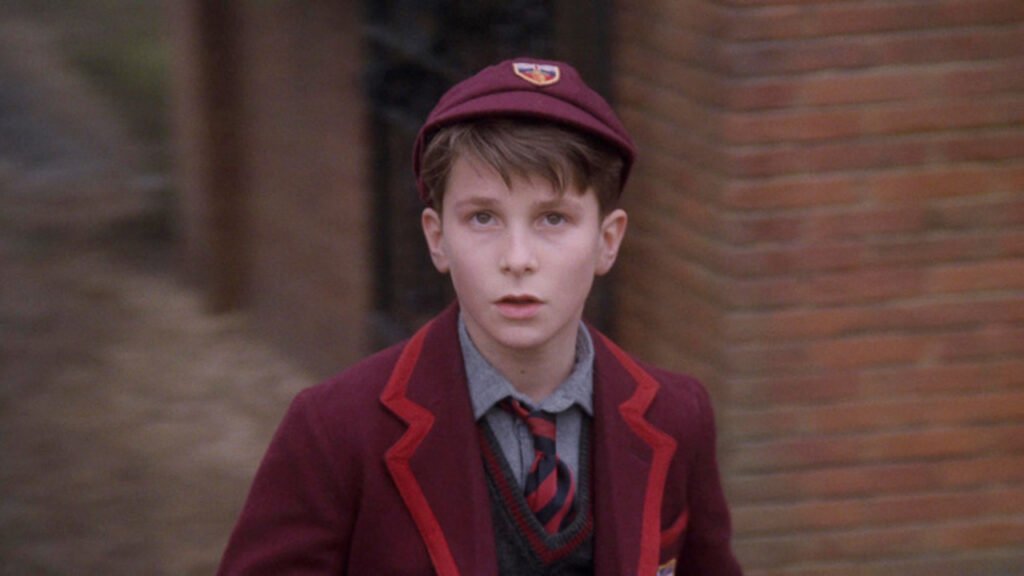
Bale’s life changed dramatically when Steven Spielberg cast him in Empire of the Sun. At just 13 years old, Bale beat nearly 4,000 other young actors to land the lead role of Jim Graham, a privileged British schoolboy who becomes separated from his parents during Japan’s invasion of China and is forced to survive inside a prisoner-of-war camp.
The role demanded far more than a typical child performance. Over the course of the film, Bale portrayed Jim’s transformation from an energetic, sheltered boy into someone hardened by war, hunger, and loss.
Carrying a major Steven Spielberg production at such a young age required an emotional range rarely seen from child actors, and critics quickly took notice. Empire of the Sun earned widespread acclaim, while Bale’s performance established him as one of Hollywood’s brightest young talents almost overnight.
Success, however, arrived with consequences he never expected.
Fame Became Overwhelming
Instead of enjoying his breakthrough, Bale found himself navigating an international press tour and intense public attention he wasn’t emotionally prepared to handle. Suddenly, the teenager who had lived a largely ordinary life was expected to promote a major Hollywood film across the world while answering the same questions day after day.
Looking back on the experience, Bale admitted it fundamentally changed his life, but not in the way people assumed. “Empire of the Sun changed my life quite considerably, and I didn’t like it one bit,” he said during a 1992 interview with In Focus.
The relentless schedule eventually took its toll. During a 1988 press junket, a frustrated 14-year-old Bale reportedly sat through an interview quietly stabbing an orange with a knife while offering only brief answers to a journalist’s questions. Moments later, he excused himself to use the restroom, walked out of the hotel, and disappeared, skipping the remainder of the day’s interviews altogether.
The incident reflected something much deeper than teenage impatience. Bale struggled with losing the privacy and normal childhood that had existed before Empire of the Sun turned him into one of Hollywood’s most recognizable young actors.
He Nearly Walked Away From Acting
The experience left Bale questioning whether he wanted an acting career at all. While many young performers dream of becoming movie stars, he found himself wanting the exact opposite. The constant attention, media scrutiny, and pressures of early fame convinced him that leaving Hollywood altogether might be the better choice.
For a time, he stepped away from acting and considered putting the profession behind him before his career had truly begun.
That decision changed when actor and filmmaker Kenneth Branagh personally approached him about joining Henry V in 1989. Rather than offering another high-profile child-star vehicle, Branagh invited Bale to take on a smaller role in a serious Shakespeare adaptation. The opportunity reminded him why he had enjoyed performing in the first place and allowed him to return to acting without carrying the weight of an entire production on his shoulders.
Although Bale ultimately decided to continue acting, his early experience with fame left a lasting impression. It shaped the intensely private approach he still maintains today and helps explain why, even after becoming one of Hollywood’s biggest stars, he has consistently avoided the celebrity spotlight whenever possible.
Finding His Place In Hollywood
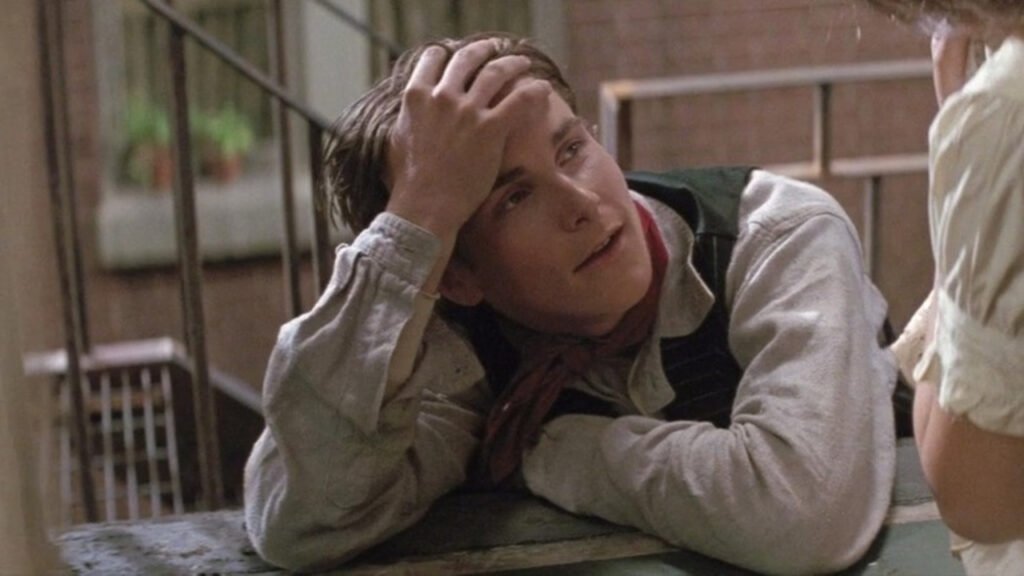
Walking away from Empire of the Sun would have been the easy option. Returning to Hollywood after everything that came with that experience proved far more difficult. Throughout the 1990s, Christian Bale faced the same challenge that has ended countless child-actor careers: convincing audiences and filmmakers that he could grow beyond the role that made him famous.
His appearance in Kenneth Branagh’s Henry V marked a deliberate reset rather than an attempt to chase another blockbuster. Instead of stepping back into the spotlight as a leading child actor, Bale accepted a much smaller role, allowing himself to rediscover acting without the enormous expectations that had followed Empire of the Sun. Even then, opportunities didn’t suddenly become easier. He spent much of the decade searching for roles that would gradually reshape how the industry viewed him.
Unlike many young actors who pursued teen-idol status, Bale rarely chose projects based on commercial appeal alone. He gravitated toward films that challenged him, even if they reached smaller audiences or struggled at the box office.
A Decade Of Experimentation
One of Bale’s boldest decisions came with Disney’s Newsies in 1992. Playing Jack Kelly required him to sing, dance, and carry a large-scale musical, something few actors with his dramatic background would have attempted. The film disappointed both critics and audiences upon release, though it eventually developed a devoted cult following that transformed its reputation years later.
Rather than retreat after that setback, Bale continued taking unexpected risks. In Swing Kids, he portrayed Thomas Berger, a German teenager who secretly embraces American swing music despite growing up under Nazi rule. The role demanded extensive dancing once again while exploring themes far removed from mainstream Hollywood entertainment.
His willingness to experiment continued throughout the decade. Prince of Jutland saw him tackle a character inspired by the Danish legend that later became Shakespeare’s Hamlet, while smaller independent films like Metroland and All the Little Animals gave him opportunities to explore quieter, more intimate performances away from the studio system.
Viewed individually, none of these projects dramatically elevated Bale’s profile. Together, however, they demonstrated an actor determined to avoid becoming predictable.
Learning By Working
Because Bale never attended drama school, every production effectively became part of his education. Each new set introduced him to different directors, experienced co-stars, and unfamiliar filmmaking styles. Instead of developing his craft inside a classroom, he learned by observing professionals and challenging himself across an unusually wide range of genres.
That approach also shaped the reputation he would later become known for. Rather than relying on recognizable screen personas, Bale focused on disappearing into individual characters. The habit of constantly adapting to new worlds, accents, personalities, and physical demands became second nature long before audiences associated him with dramatic transformations.
The decade also revealed an unusual patience. Bale wasn’t interested in becoming Hollywood’s next leading man overnight. He appeared willing to spend years building experience if it meant becoming a better actor.
Building Momentum Before ‘American Psycho’
By the middle of the decade, that patience began producing results. Bale earned widespread attention for playing Theodore “Laurie” Laurence opposite Winona Ryder in Little Women. The film introduced him to a much broader audience and proved he could handle romantic material just as comfortably as dramatic roles.
He followed that success by lending his voice to Thomas in Disney’s Pocahontas, while films such as The Portrait of a Lady and The Secret Agent allowed him to share the screen with acclaimed performers including Nicole Kidman, John Malkovich, and Bob Hoskins. Working alongside actors of that caliber further strengthened his confidence while exposing him to different approaches to performance.
Toward the end of the decade, Bale’s appearance in Todd Haynes’ Velvet Goldmine marked another important milestone. His portrayal of journalist Arthur Stuart showcased a quieter, emotionally layered performance that attracted growing respect within the industry, even if the film itself wasn’t a major commercial success.
By the late 1990s, Bale had quietly assembled one of the most varied résumés of any actor his age. He had worked across musicals, period dramas, independent films, historical epics, animation, and literary adaptations without becoming closely identified with any single genre. More importantly, directors had begun to recognize his willingness to take risks and completely reshape himself for a role.
That foundation proved invaluable when American Psycho arrived. Patrick Bateman would transform Christian Bale into a global star, but the performance only became possible because of the decade he had already spent learning, experimenting, and steadily earning Hollywood’s trust.
The Role That Changed Everything
By the end of the 1990s, Christian Bale had earned the respect of filmmakers, but he still wasn’t viewed as a leading man. His résumé featured acclaimed performances across independent films, literary adaptations, and period dramas, yet Hollywood had not offered him a role capable of redefining his career.
That changed in 2000 when director Mary Harron cast him as Patrick Bateman in American Psycho, her adaptation of Bret Easton Ellis’ controversial novel. Bateman was a wealthy Wall Street investment banker whose obsession with status, appearance, and perfection masked a violent, psychopathic alter ego. The role demanded an unusual balance of horror, satire, and dark comedy, making it one of the most difficult characters of its era to portray convincingly.
Bale understood that balance from the beginning. Rather than playing Bateman as a conventional serial killer, he embraced the character’s emptiness, vanity, and absurdity, turning him into someone who was as hilarious as he was disturbing. The performance permanently erased Bale’s image as a former child actor and revealed the qualities that would define his career for decades: total commitment, meticulous preparation, and a willingness to disappear inside deeply unsettling characters.
Mary Harron Refused To Give Up On Bale
Landing the role proved almost as difficult as playing it. From the beginning, Mary Harron believed Bale was the only actor who truly understood Patrick Bateman’s satirical nature. While many saw the character as a straightforward psychopath, Harron viewed him as an empty man achieving success, masculinity, and wealth without ever understanding any of them. She felt Bale instinctively understood that contradiction.
Bale committed himself immediately. Long before cameras rolled, he began reshaping his physique through intense workouts while refining every aspect of Bateman’s polished appearance, including his teeth, posture, and mannerisms. He approached the character with the same obsessive discipline that Bateman himself displayed, determined to embody the image of Wall Street perfection. The studio, however, had very different plans.
The Leonardo DiCaprio Detour
Following the unprecedented success of Titanic, Lionsgate wanted Leonardo DiCaprio to headline American Psycho. His name promised global box office appeal, and the studio reportedly became so determined to secure him that it offered a salary worth more than three times the film’s entire production budget.
Harron strongly opposed the decision. She believed DiCaprio’s worldwide popularity as a teen idol would overshadow the character and argued that he projected a youthful image that didn’t fit the hardened Wall Street executive she envisioned.
The disagreement escalated until Lionsgate removed Harron from the project and replaced her with Oliver Stone. Bale also lost the role.
Despite officially being out of the film, Bale never stopped preparing. He continued training, maintained the character’s physical transformation, and kept working on Bateman’s voice because he remained convinced the project would eventually return to its original creative direction.
His instincts proved correct. DiCaprio ultimately left to star in The Beach, Oliver Stone exited the production soon afterward, and Lionsgate rehired Harron. One of her first decisions was to restore Bale as Patrick Bateman.
He Accepted The Minimum Salary
Winning the role didn’t suddenly improve Bale’s circumstances. Because the studio had never considered him its preferred choice, it offered him the lowest salary it was legally allowed to pay. Bale accepted without hesitation because he needed the money to prevent the house he shared with his father and sister from being repossessed.
Reflecting on the experience during a 2022 interview with GQ, Bale recalled just how little he earned. “I remember one time sitting in the makeup trailer and the makeup artists were laughing at me because I was getting paid less than any of them. And so that was my motivation after that. Was just: ‘I got to get enough that the house doesn’t get repossessed.'”
He also revealed that the lengthy production delays meant the studio never increased his salary. “They had paid me the absolute minimum they were legally allowed to pay me.” For Bale, the paycheck mattered far less than the opportunity.
Patrick Bateman Became A Pop Culture Icon
When American Psycho finally reached theaters, Bale’s performance immediately stood apart. His version of Patrick Bateman balanced terrifying violence with meticulous vanity, creating a character audiences found simultaneously horrifying, hilarious, and endlessly quotable.
Scenes like Bateman’s obsessive morning skincare routine, his passionate analysis of Huey Lewis and the News moments before committing murder, and his complete fixation on business card designs have become some of the most recognizable moments in modern cinema. Decades later, they continue to generate memes, online discussions, and critical analysis, introducing new audiences to the film long after its original release.
More importantly, American Psycho transformed Christian Bale’s career. Hollywood no longer saw him as the talented child actor from Empire of the Sun or the dependable performer from independent dramas. He had become one of the industry’s most fearless actors, capable of carrying demanding, unconventional films. That reputation opened the door to opportunities that soon included Christopher Nolan’s Batman Begins and firmly established Bale as one of his generation’s defining performers.
Christian Bale is arguably modern cinema’s most extreme chameleon. While many actors use prosthetics or CGI to alter their appearance, Bale has spent decades using his actual body as a canvas, engineering dangerous, massive fluctuations in his weight and musculature to authentically inhabit his characters.
Here is a detailed look at his process, his preparation, and the most extreme physical transformations of his career.
The Art Of Total Transformation
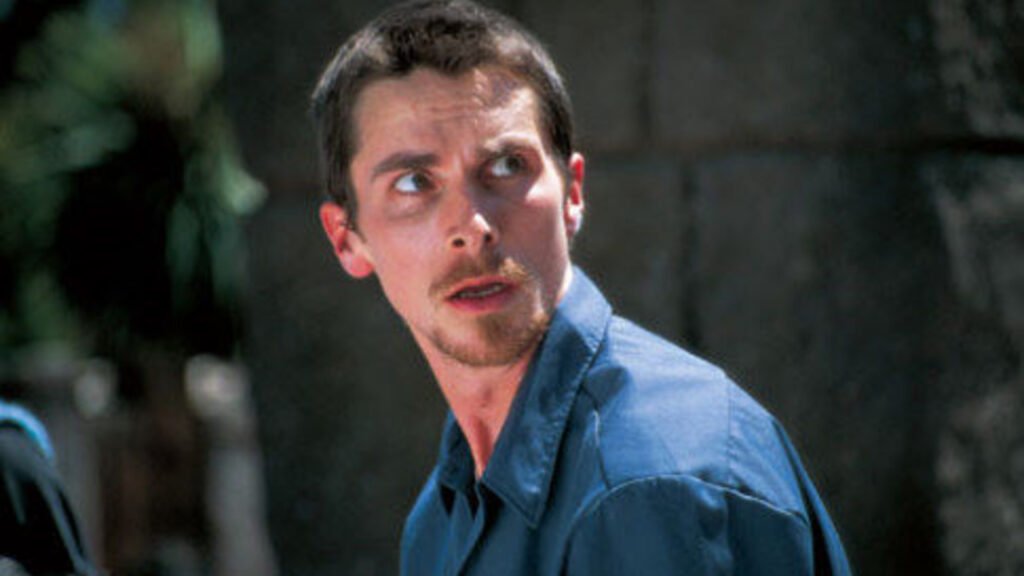
Christian Bale has spent decades proving that transformation isn’t a marketing hook; it’s the foundation of his craft. While many actors rely on prosthetics, digital effects, or makeup to disappear into a character, Bale has repeatedly used his own body to bridge the gap between performance and reality. His filmography is filled with dramatic weight gains, extreme weight loss, altered postures, new accents, and entirely different physical rhythms, often making him nearly unrecognizable from one role to the next.
Those transformations have become so closely associated with Bale that they’re often the first thing audiences mention when a new project is announced. Yet the physical changes are never the final goal. For Bale, changing his appearance is simply the first step toward understanding how a character thinks, moves, and exists. Whether portraying a sleep-deprived factory worker, a billionaire vigilante, a boxer battling addiction, or a former U.S. vice president, he begins by reshaping the body before exploring everything else.
Why Physical Transformation Comes First
Christian Bale has often rejected the idea that he is a traditional Method actor. He has never studied at a drama school or followed a single acting philosophy, preferring to develop each character through instinct and observation instead. Rather than adopting a fixed process, he adjusts his preparation depending on what a role demands.
One element, however, has remained constant throughout his career. Bale believes physical transformation creates the quickest path into a character’s mindset. Once his body begins to change, everything else follows naturally. A different weight alters the way a person walks, breathes, sits, and carries themselves, while changes in posture and movement gradually reshape the emotional performance as well.
That commitment extends beyond what audiences see on screen. Bale frequently maintains a character’s accent, body language, and physicality between takes so he doesn’t lose the rhythm he has spent months developing. His preparation often includes extensive research into the people he portrays, but he has consistently treated the physical transformation as the foundation that allows every other aspect of the performance to fall into place.
Over time, that philosophy has produced some of the most remarkable transformations in modern cinema. Several have pushed their bodies to dangerous extremes, while others have required months of rebuilding muscle, gaining weight, or altering their posture to match real-life figures. Together, they have become one of the defining characteristics of Christian Bale’s career.
‘The Machinist’: One Of The Most Extreme Weight Losses In Film History
If one performance established Christian Bale as the actor willing to push himself further than almost anyone else in Hollywood, it was The Machinist. Released in 2004, Brad Anderson’s psychological thriller cast Bale as Trevor Reznik, an industrial worker who hasn’t slept in nearly a year and slowly begins losing his grip on reality. The character needed to look as though prolonged insomnia and paranoia had consumed him from the inside out. Bale decided there was only one way to achieve that effect.
He lost an astonishing 63 pounds, reducing his weight to around 120 pounds. Every trace of muscle disappeared from his frame, leaving him with a gaunt face, protruding bones, and an appearance so alarming that many viewers initially assumed the filmmakers had relied on visual effects. Bale transformed his body entirely through an extreme diet that remains one of the most talked-about physical changes ever undertaken for a film.
His daily routine became brutally simple. He survived on an apple, a can of tuna, black coffee, and water, consuming only a fraction of the calories an adult male normally requires. He also chain-smoked cigarettes and occasionally drank whiskey to suppress his appetite, despite not being a habitual smoker. The combination stripped away weight at a remarkable pace but also placed enormous stress on his body.
Even Bale believed he hadn’t gone far enough.
His original goal was to reach 100 pounds, convinced that Trevor Reznik should appear even more skeletal. The production team and medical professionals strongly opposed the idea, warning that pushing his weight any lower carried serious health risks, including the possibility of heart failure. Reluctantly, Bale accepted their advice and stopped at around 120 pounds.
The transformation didn’t simply change how he looked. It fundamentally altered the way he performed. His lack of strength affected his posture; his movements became slower and more fragile, and even standing or walking reflected the exhaustion Trevor experienced throughout the story. Rather than acting tired, Bale genuinely understood what living inside such an undernourished body felt like.
Looking back, Bale has acknowledged that the experience taught him just how closely the mind and body are connected. The dramatic weight loss created a mental state that matched the character’s isolation and vulnerability, reinforcing his long-held belief that physical transformation provides the strongest foundation for performance.
The gamble paid off. Critics praised Bale’s commitment almost as much as the film itself, and The Machinist quickly became the benchmark against which nearly every subsequent movie transformation would be measured. More importantly, the role caught the attention of Christopher Nolan, who was searching for an actor capable of bringing complete dedication to a new version of Batman.
Ironically, the same body Bale had reduced to the edge of starvation now faced the exact opposite challenge. Instead of becoming even lighter, he had just six months to transform himself into one of the most physically imposing superheroes in cinema.
From 120 Pounds To Batman In Just Six Months
Almost as soon as The Machinist wrapped, Christopher Nolan cast Bale as Bruce Wayne in Batman Begins. The contrast between the two roles could not have been greater. After reducing himself to 120 pounds to portray Trevor Reznik, Bale suddenly had six months to build the physique of Gotham’s masked vigilante. Before he could even begin serious weight training, however, his body had to recover from months of near-starvation.
He initially focused on regaining a healthy weight through calorie-dense meals before transitioning to a structured diet centered on lean protein, complex carbohydrates, and frequent, smaller meals.
Once he was physically capable of training again, Bale approached the role with the same discipline that had defined The Machinist. Drawing on what he had learned while preparing for films like American Psycho and Reign of Fire, he built a workout routine centered on heavy compound lifts, bodyweight exercises, running, and daily muscle-group splits.
The rapid transformation worked almost too well. Bale arrived weighing roughly 220 pounds, considerably larger than Nolan had envisioned for Bruce Wayne. The crew jokingly nicknamed him “Fatman,” and he struggled to fit into the Batsuit. He responded by cutting around 20 pounds through increased cardio, reduced carbohydrates, and a calorie deficit, eventually settling at a lean, athletic 190 pounds before filming began.
The turnaround remains one of the most extraordinary physical transformations ever completed for a Hollywood production. In the span of roughly six months, Bale went from one of the skinniest leading men ever seen on screen to a convincingly muscular Batman. More importantly, the transformation reinforced his belief that changing his body helped unlock the psychology of a character, a philosophy that would continue to shape nearly every major performance that followed.
Losing Batman To Play A Prisoner Of War
Most actors would have spent years maintaining the superhero physique they built for a franchise as successful as Batman Begins. Christian Bale did the opposite. Soon after playing Bruce Wayne, he shed much of that muscle to portray Dieter Dengler in Werner Herzog’s Rescue Dawn, the true story of a U.S. Navy pilot captured during the Vietnam War and subjected to starvation inside a Laotian prison camp.
Bale lost around 55 pounds to reflect Dengler’s physical deterioration. Because Herzog filmed much of the story chronologically, Bale gradually dropped weight throughout production, allowing his appearance to mirror the character’s worsening condition as the story unfolded.
Rather than relying on makeup to simulate starvation, audiences watched the transformation happen in real time, making Dengler’s struggle feel even more authentic. It was another reminder that Bale viewed physical sacrifice as an essential part of performance, even immediately after completing one of Hollywood’s biggest blockbuster roles.
An Oscar-Winning Transformation In ‘The Fighter’
Christian Bale underwent another dramatic transformation for David O. Russell’s The Fighter, this time to play former boxer Dicky Eklund. Unlike his previous weight-loss roles, the challenge extended far beyond looking thin. Eklund’s years of crack cocaine addiction had changed the way he spoke, moved, and carried himself, and Bale became determined to replicate every detail.
He lost around 30 pounds by combining a strict diet with hours of running, but his preparation centered on studying the real Eklund. Bale closely observed his nervous mannerisms, rapid speech, restless energy, and unmistakable Boston accent until they became second nature. The performance never felt like an impression. Instead, Bale disappeared so completely into the role that audiences often forgot they were watching the same actor who had played Batman just two years earlier.
The transformation earned Bale his first Academy Award of his career, winning Best Supporting Actor in 2011. More importantly, it reinforced a growing pattern in his filmography. Physical change alone never defined his performances. He used it as a gateway to fully inhabiting a character, allowing every movement, gesture, and line delivery to feel inseparable from the person he was portraying.
Becoming Dick Cheney In ‘Vice’
After spending years transforming himself into lean athletes and physically demanding action heroes, Bale faced a completely different challenge in Adam McKay’s Vice. Playing former U.S. Vice President Dick Cheney required him to age several decades and completely alter his silhouette. Instead of building muscle or stripping away weight, Bale gained around 40 pounds, shaved his head, bleached his eyebrows, and even performed exercises designed to thicken his neck, so it matched Cheney’s broad, heavy frame.
Unlike some of his earlier transformations, Bale approached the weight gain more carefully. Rather than binge-eating without restraint, he worked with a nutritionist to increase his weight safely, later joking that he achieved the look by eating “a lot of pies.” The physical changes extended beyond the scale. He studied Cheney’s posture, slower movements, and measured speaking style until the resemblance became almost uncanny, allowing the audience to focus on the character rather than the actor underneath the makeup.
The transformation earned Bale another Academy Award nomination and once again demonstrated that he wasn’t interested in looking like himself on screen. Whether the role demanded dramatic weight gain or subtle physical adjustments, Bale consistently treated his appearance as one more storytelling tool, reshaping it whenever the character required.
Dropping The Weight Again For ‘Ford v Ferrari’
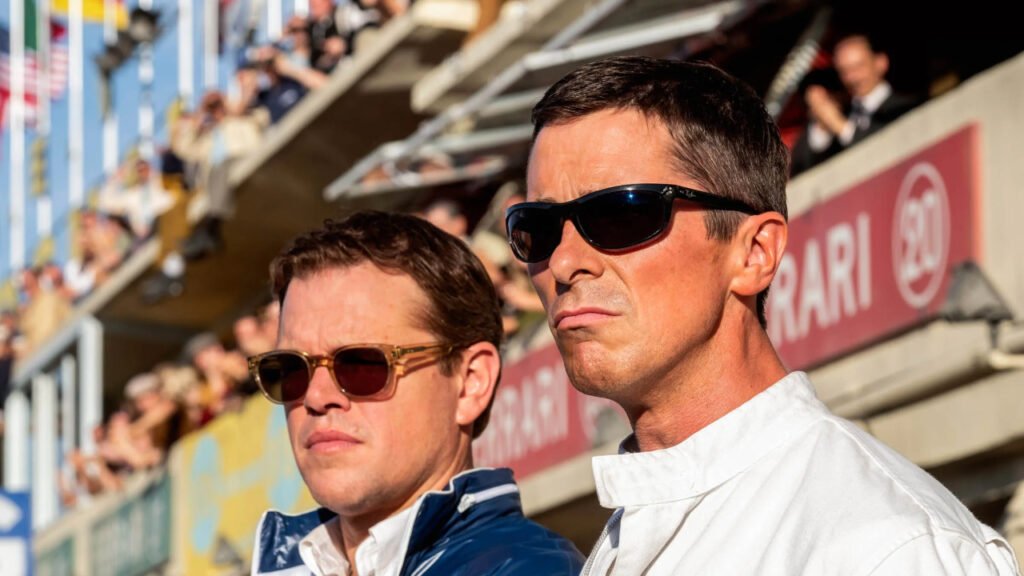
Christian Bale barely had time to enjoy the acclaim for Vice before facing another dramatic transformation. For James Mangold’s Ford v Ferrari, he needed to leave Dick Cheney’s heavy frame behind and become legendary British racing driver Ken Miles, a man whose lean build reflected both his profession and relentless energy behind the wheel.
Bale lost around 70 pounds to return to an athletic physique, jokingly telling co-star Matt Damon that his secret was simple: “I didn’t eat.” The weight loss wasn’t just about appearance. Race cars like the Ford GT40 offered very little room inside the cockpit, and Bale needed to physically fit the space while convincing audiences he could handle the demands of professional endurance racing. The slimmer frame also helped capture Miles’ restless personality and quick, animated movements.
After years of pushing his body to such dramatic extremes, Bale admitted the process was becoming increasingly difficult. Reflecting on his constant cycle of gaining and losing weight, he acknowledged that the physical toll was catching up with him, saying, “I keep saying I’m done with it. I really think I’m done with it, yeah.” Whether he ultimately sticks to that promise remains to be seen, but his extraordinary transformations have already become one of the defining hallmarks of his career.
The Physical Cost Of Constant Transformation
Christian Bale’s remarkable commitment has earned widespread admiration, but it has also sparked concern from doctors and fellow actors. Rapidly gaining and losing dozens of pounds places enormous strain on the body, increasing the risk of cardiovascular problems, hormonal changes, muscle loss, and long-term metabolic issues. Bale has never encouraged others to follow his example and has openly acknowledged that the process becomes harder with age.
Despite the attention his weight fluctuations receive, Bale has consistently argued that the physical changes are only one part of the performance. He doesn’t transform simply to shock audiences or generate headlines. Every pound gained or lost serves a specific character, helping him understand how that person moves, thinks, and experiences the world. The transformation, in his view, isn’t the performance itself; it’s the doorway into it.
That philosophy has shaped some of the most memorable performances of the past two decades and cemented Bale’s reputation as one of cinema’s most committed actors. Yet if his recent comments are any indication, the era of extreme weight swings may finally be coming to an end. After Ford v Ferrari, Bale admitted he wanted to stop putting his body through such dramatic changes, suggesting that future transformations would rely less on drastic physical sacrifices and more on the craft he has spent a lifetime refining.
Why Directors Keep Coming Back To Christian Bale
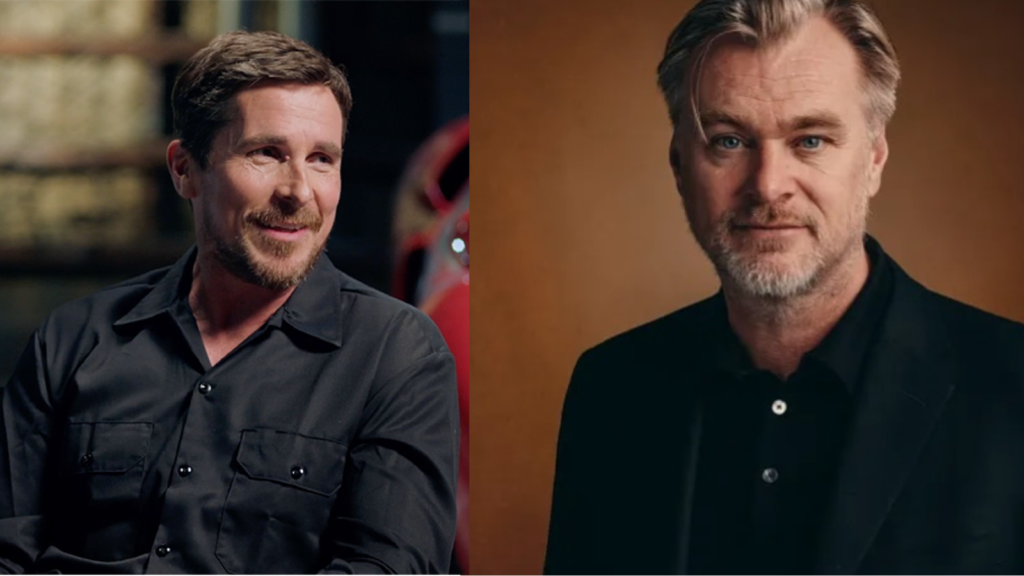
Christian Bale has worked with some of the most acclaimed filmmakers of the past three decades, and many of them have chosen to collaborate with him more than once. Unlike many leading men who become associated with a particular screen persona, Bale approaches every project as a character actor. He has little interest in protecting his image, rarely worries about looking glamorous on screen, and willingly disappears behind accents, makeup, weight changes, or completely different personalities if it serves the story.
That mindset makes him especially valuable to directors. They know Bale will arrive having already immersed himself in the character, allowing them to focus on refining the performance rather than building it from scratch. Whether the film is a superhero blockbuster, a political satire, or a quiet historical drama, Bale approaches each role with the same level of preparation and commitment.
Christopher Nolan
Collaborations: Batman Begins, The Prestige, The Dark Knight, The Dark Knight Rises
Christopher Nolan needed more than an action star to lead his Dark Knight trilogy. His version of Batman depended on emotional realism as much as spectacle, and Bale provided exactly that. He treated Bruce Wayne as a deeply conflicted man carrying the psychological burden of trauma rather than simply another comic-book hero, giving Nolan’s films the dramatic weight that distinguished them from most superhero movies of the era.
Their partnership extended beyond Gotham with ‘The Prestige’, where Bale delivered one of his most layered performances as Alfred Borden, a magician consumed by obsession. Nolan has often built stories around complicated characters navigating extraordinary situations, and Bale consistently grounded those high-concept narratives with believable emotional performances.
And for anyone interested, Nolan is still interested in a reunion with Bale.
David O. Russell
Collaborations: The Fighter, American Hustle, Amsterdam
David O. Russell’s filmmaking style thrives on unpredictability. His sets encourage improvisation, rapid dialogue, and emotionally volatile performances, demanding actors who can adapt instantly without losing sight of their characters.
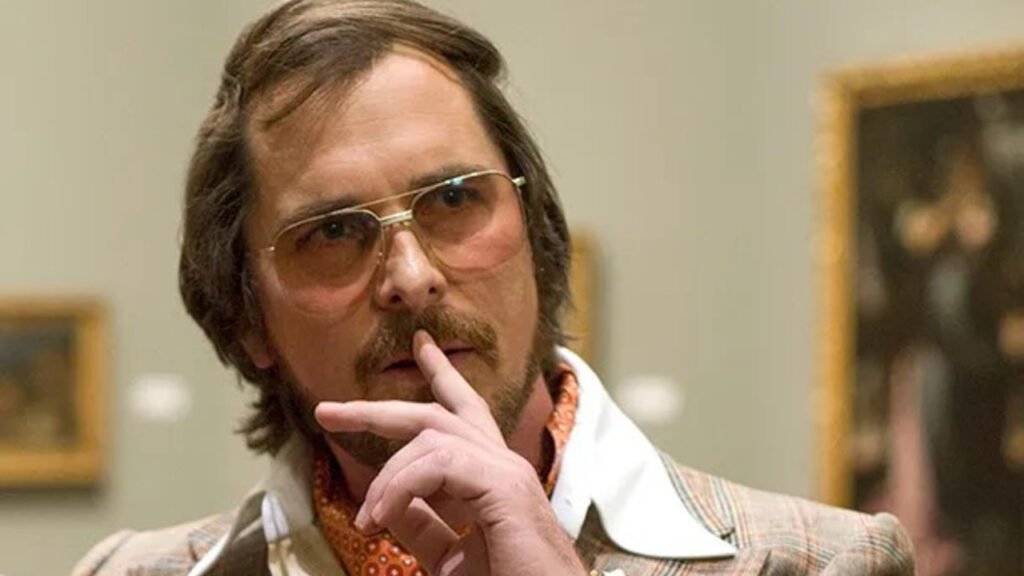
Bale has repeatedly embraced that environment. He won the Academy Award for The Fighter, dramatically reinvented himself for ‘American Hustle’, and later anchored Russell’s ensemble cast in ‘Amsterdam’. Across all three films, he committed completely to eccentric characters while ensuring they remained emotionally believable instead of becoming exaggerated caricatures.
Adam McKay
Collaborations: The Big Short, Vice
When Adam McKay shifted from broad comedy to socially conscious political satire, he needed actors capable of balancing humor with genuine dramatic weight. Bale proved to be the ideal collaborator.
In The Big Short, he transformed into eccentric investor Michael Burry through subtle physical choices and understated performances. For ‘Vice’, he disappeared almost entirely beneath one of the most dramatic transformations of his career, portraying Dick Cheney with remarkable restraint. Rather than relying on impersonation alone, Bale conveyed Cheney’s authority through posture, silence, and carefully controlled gestures, allowing McKay’s satire to remain grounded in believable human behavior.
Scott Cooper
Collaborations: Out of the Furnace, Hostiles, The Pale Blue Eye
Scott Cooper frequently explores damaged, morally conflicted men living in harsh environments, making Bale an ideal fit for his storytelling. Their collaborations rely less on grand speeches than on quiet emotional intensity.
Whether portraying a struggling steelworker in Out of the Furnace, a Civil War officer confronting his own prejudice in Hostiles, or a weary detective investigating murders in The Pale Blue Eye, Bale brings restraint to characters carrying deep emotional scars. His understated performances give Cooper’s atmospheric dramas much of their emotional power.
James Mangold
Collaborations: 3:10 to Yuma, Ford v Ferrari
James Mangold has built a career telling stories about flawed individuals driven by determination, loyalty, and obsession. Bale naturally fits that world.
In 3:10 to Yuma, he played an impoverished rancher desperate to regain his family’s respect, while Ford v Ferrari cast him as the fiercely independent racing driver Ken Miles. Although the characters differ dramatically, both share the stubborn integrity that often defines Mangold’s protagonists. Bale’s ability to portray difficult personalities without sacrificing their humanity makes him one of the director’s most effective collaborators.
Other Notable Collaborations
Bale has also developed lasting creative relationships with several other respected filmmakers. Terrence Malick cast him in The New World, Knight of Cups, and Song to Song, trusting Bale to thrive within the director’s highly improvisational, visually driven filmmaking style. Todd Haynes directed him in Velvet Goldmine before reuniting with him years later for I’m Not There; Bale later reunited with his former The Dark Knight co-star Maggie Gyllenhaal for her 2026 gothic romance The Bride!, in which he starred opposite Jessie Buckley as Frankenstein’s monster.
Why Filmmakers Trust Him
The directors who repeatedly cast Christian Bale often work in completely different genres, but they value many of the same qualities. Bale prepares extensively before production begins, mastering accents, researching real-life figures, and developing each character’s physicality long before arriving on set. He also approaches every performance without vanity, willingly changing his appearance or embracing deeply flawed characters if the story demands it.
Just as importantly, Bale has earned a reputation for serving the director’s vision rather than his own image. Instead of trying to reshape characters into conventional movie heroes, he focuses on becoming whatever the role requires. That combination of preparation, discipline, and complete commitment has made him one of the industry’s most trusted collaborators and explains why so many acclaimed directors continue returning to him throughout their careers.
The Performances That Defined Christian Bale’s Career
Christian Bale’s career is filled with acclaimed performances, but a select few stand above the rest. These roles didn’t just earn awards or critical praise. They showcased different dimensions of his craft, from emotionally devastating child performances to razor-sharp satire, restrained character studies, and blockbuster heroics. Together, they explain why Bale is widely regarded as one of the finest actors of his generation.
‘Empire of the Sun’ (1987): The Breakthrough
Steven Spielberg entrusted a 13-year-old Christian Bale with the emotional weight of an epic war drama, and the young actor delivered one of the most remarkable child performances ever captured on screen. As Jim Graham, Bale charts a heartbreaking psychological journey, gradually transforming from an entitled British schoolboy into a traumatized child struggling to survive the horrors of war.
What makes the performance extraordinary is its emotional precision. Bale never resorts to exaggerated displays of grief or fear. Instead, every stage of Jim’s innocence slipping away feels authentic and deeply human. By the film’s conclusion, his quiet reunion with his mother carries enormous emotional weight, revealing just how profoundly the character has changed. It announced Bale as a rare young talent capable of carrying an ambitious drama with remarkable maturity.
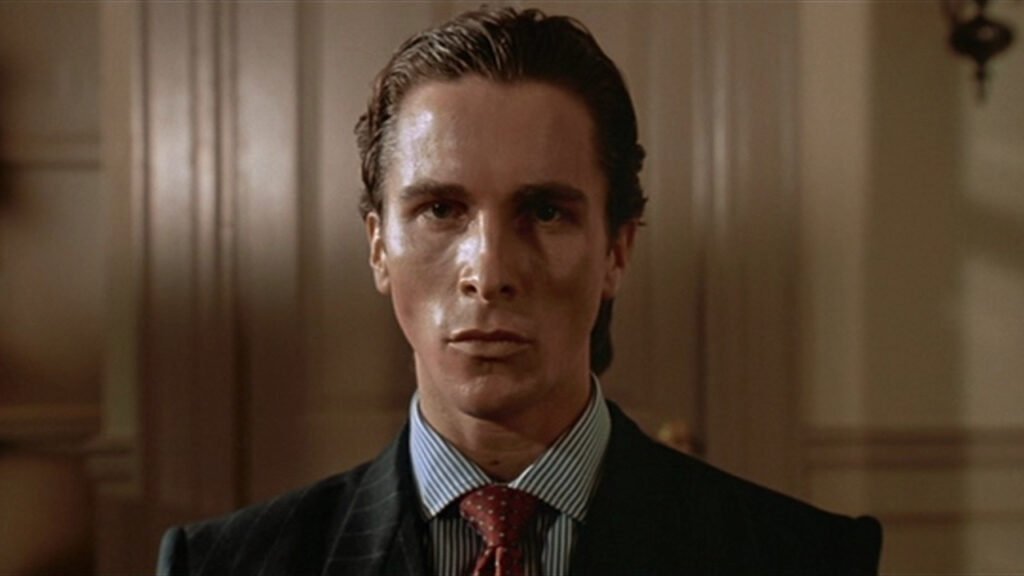
‘American Psycho’ (2000): The Career-Defining Turn
Patrick Bateman remains the performance that transformed Christian Bale from a respected actor into one of Hollywood’s most fascinating leading men. Rather than portraying Bateman as a conventional movie villain, Bale approached him as someone desperately performing the role of a successful, emotionally functional human being.
The brilliance lies in the details. Forced smiles, carefully rehearsed mannerisms, sudden shifts in vocal delivery, and obsessive attention to status symbols all expose Bateman’s complete emotional emptiness. Bale balances horror with razor-sharp comedy, making the character simultaneously terrifying, pathetic, and strangely hilarious. More than two decades later, the performance continues to influence discussions about satire, masculinity, and consumer culture while remaining endlessly quoted across popular culture.
‘Batman Begins’ (2005) And ‘The Dark Knight’ (2008): The Mainstream Icon
Many actors have played Batman, but Bale helped redefine what audiences expected from a superhero performance. His greatest achievement wasn’t wearing the cape or mastering the action sequences. It was convincingly portraying three distinct versions of Bruce Wayne.
As Batman, he projects fear and unwavering determination. In public, he adopts the carefree, irresponsible billionaire persona that hides his true identity. Behind closed doors, only Alfred sees the wounded man still haunted by childhood trauma. Bale moves seamlessly between those identities, giving each one a unique rhythm and emotional purpose. His grounded portrayal became the emotional foundation of Christopher Nolan’s trilogy and helped usher superhero films into a new era of dramatic storytelling.
‘The Prestige’ (2006): An Underrated Acting Showcase
Among Bale’s many acclaimed performances, The Prestige remains one of his most technically impressive. Playing magician Alfred Borden demanded extraordinary control, subtlety, and consistency throughout a story built around obsession, sacrifice, and deception.
The performance becomes even richer on repeat viewings, revealing countless small physical and vocal choices that quietly reshape how audiences interpret individual scenes. Bale communicates complex emotional conflicts through restrained gestures rather than dramatic speeches, allowing the character’s inner turmoil to emerge naturally. It’s a performance built on precision, rewarding careful attention in ways few actors can achieve.
‘The Fighter’ (2010): The Oscar-Winning Performance
Christian Bale earned his first Academy Award for playing former boxer Dicky Eklund, but the performance resonates because of far more than its physical transformation. Bale captures Dicky’s restless energy through constantly shifting movement, unpredictable speech patterns, and infectious enthusiasm that masks years of addiction and disappointment.
Rather than reducing Dicky to a tragic stereotype, Bale uncovers the warmth and vulnerability beneath his self-destructive behavior. His deep love for his younger brother gives the character genuine emotional complexity, allowing audiences to empathize with someone whose actions repeatedly hurt the people closest to him. The result is one of the finest supporting performances of the decade and a defining milestone in Bale’s career.
‘The Big Short’ (2015): The Power Of Restraint
As hedge fund manager Michael Burry, Bale delivered one of the quietest performances of his career. Surrounded by larger-than-life personalities and rapid-fire dialogue, he chose understatement instead of theatricality, allowing Burry’s intelligence and social isolation to emerge through subtle behavioral choices.
Much of the performance relies on body language. Avoiding eye contact, rigid posture, awkward silences, and bursts of heavy metal drumming reveal a man far more comfortable with numbers than people. Bale never seeks sympathy or dramatic attention, yet he quietly becomes one of the film’s emotional anchors, demonstrating how much can be communicated through restraint alone.
‘Ford v Ferrari’ (2019): Charisma And Humanity
Christian Bale is often associated with intense, brooding characters, making his portrayal of racing legend Ken Miles one of the most refreshing performances of his career. While Miles is fiercely competitive and famously stubborn, Bale also reveals his humor, warmth, and unwavering loyalty to his family and closest friends.
His chemistry with Matt Damon gives the film much of its heart, while his scenes with his on-screen son reveal a gentler side rarely seen in Bale’s work. Even during the film’s racing sequences, where much of his face is hidden behind a helmet, Bale conveys tension, excitement, determination, and exhilaration almost entirely through his eyes and body language. The performance proves that his greatest strength isn’t transformation alone, but his ability to make every character feel completely alive.
Taken together, these performances reveal an actor who refuses to rely on a single style or screen persona. Whether leading a superhero blockbuster, disappearing into a historical figure, or carrying an intimate character drama, Christian Bale approaches every role with the same unwavering commitment. That versatility has defined his career for more than three decades and offers the clearest insight into why filmmakers continue to seek him out for their most demanding projects.
How Christian Bale Approaches Acting
Christian Bale has built a reputation as one of Hollywood’s most committed actors, but his process is often misunderstood. Because of his dramatic physical transformations, he’s frequently described as a Method actor who never breaks character. Bale has repeatedly pushed back against that perception. Instead of following a single acting philosophy, he approaches every role differently, relying on extensive preparation, careful observation, and instinct rather than a fixed technique.
He Doesn’t Believe In One Acting Method
Bale has never been interested in defining himself by a particular school of acting. While many associate him with Method acting, he has explained that his process is far less rigid and much more intuitive. Rather than following the same routine for every project, he prefers to discover each character organically, allowing every role to develop its own rhythm and personality.
That philosophy also explains why his performances rarely feel repetitive. Bale has often said he doesn’t want to rely on techniques that worked in previous films. Instead, he treats acting almost like an elaborate game of imagination, trusting his instincts while remaining open to discovering something unexpected once production begins.
Preparation Always Comes First
Although Bale trusts instinct on set, his performances are built on months of preparation beforehand. For every role, he immerses himself in research, reading biographies, studying historical material, watching interviews, and observing the people who inspire the character. Whether portraying Dick Cheney, Michael Burry, Dicky Eklund, or Ken Miles, his goal is never to deliver an impression. Instead, he tries to understand how each person thinks, speaks, moves, and experiences the world.
That preparation extends beyond research. Bale develops distinct accents, body language, and physical habits long before filming begins, ensuring every movement feels authentic rather than performed. By the time cameras roll, much of the technical work has already become second nature.
Physical Transformation Is A Tool, Not The Performance
Few actors have altered their bodies as dramatically as Christian Bale, but he has consistently viewed those transformations as a means rather than an end. Gaining or losing weight, changing posture, or adopting a completely different walk isn’t designed to attract attention. For Bale, those physical changes provide a gateway into understanding the character’s psychology.
Once he feels physically believable, the emotional side often becomes easier to access. That’s why every transformation serves a specific purpose instead of existing simply for shock value. Whether becoming painfully thin for ‘The Machinist’ or adding significant weight for ‘Vice’, Bale has always treated his appearance as another storytelling tool rather than the performance itself.
He Chases The Challenge, Not Fame
Despite leading some of Hollywood’s biggest productions, Bale has never been comfortable with the idea of being a movie star. Speaking to The Talks in 2013, he admitted, “I am not in it because I like being the center of attention. In fact I can’t stand it, unless I am acting.” Even after headlining blockbuster franchises, he has consistently viewed those opportunities as acting jobs rather than symbols of celebrity.
The same interview offers perhaps the clearest explanation for why he continues taking such demanding roles. “I very much enjoy trying to put myself in other people’s shoes,” Bale said, adding that constantly moving during childhood gave him a lifelong fascination with imagining other people’s lives. That curiosity, more than awards or commercial success, continues to shape the choices he makes as an actor.
“Being Boring Is A Sin”
Bale has often credited his father as one of the biggest influences on both his life and career. Recalling his father’s advice, he once said, “Being boring is a sin. It doesn’t matter if you mess up; at least you’re trying something different.”
That philosophy can be seen throughout his filmography. Rather than repeating commercially successful roles, Bale has continually shifted between psychological thrillers, historical dramas, superhero films, political satires, westerns, and independent character studies. Even after becoming Batman, he resisted being defined by blockbuster filmmaking alone, choosing projects that challenged him creatively instead of simply expanding his fame.
Committed On Camera, Collaborative Off It
The intensity of Bale’s performances has created the impression that he remains in character throughout production, but colleagues have frequently described a different experience. Directors and co-stars consistently praise him as highly professional, collaborative, and focused, capable of switching effortlessly between complete immersion during a scene and relaxed conversations once the cameras stop rolling.
That balance reflects Bale’s broader philosophy as an actor. He prepares obsessively, commits fully once filming begins, and gives directors everything they ask of him without making the process about himself. As he once explained while discussing why he has never pursued directing, “I like being responsible for myself.” Rather than controlling every aspect of a production, Bale prefers to devote all of his energy to one responsibility: creating the most truthful performance possible.
Taken together, those principles explain why Christian Bale remains one of the industry’s most respected actors. His performances aren’t driven by a single technique or a desire to impress audiences with dramatic transformations. They’re built on curiosity, preparation, and an unwavering commitment to becoming whoever the story needs him to be.
Christian Bale’s Legacy And Lasting Influence
Christian Bale has spent more than three decades building one of the most respected careers in modern cinema. In an industry that often rewards consistency and recognizable personas, Bale has built his reputation by doing the opposite. Every role begins with a clean slate, every performance demands a different approach, and every film reflects an actor more interested in serving the story than preserving an image. That philosophy has earned him the admiration of audiences, critics, filmmakers, and fellow actors alike.
He Redefined What Commitment Looks Like
Actors have transformed themselves for roles long before Christian Bale, but few have done so with the same consistency. Across films like The Machinist, Batman Begins, The Fighter, Vice, and Ford v Ferrari, Bale demonstrated that physical change should never exist for publicity alone. Every alteration in weight, posture, accent, or movement was designed to reveal something about the character rather than impress audiences.
His work helped establish a new benchmark for preparation in contemporary acting. Whenever an actor undergoes a dramatic transformation for a role, comparisons to Bale are almost inevitable, not because he invented the practice, but because he became its most recognizable modern example.
He Changed Expectations For Superhero Performances
When Batman Begins arrived in 2005, superhero films were already commercially successful, but they were rarely discussed alongside the industry’s most respected dramas. Bale’s portrayal of Bruce Wayne helped change that perception.
Instead of treating Batman as an untouchable comic-book icon, Bale portrayed him as a deeply damaged man driven by grief, guilt, and responsibility. That emotional realism became one of the defining strengths of Christopher Nolan’s trilogy and influenced the direction of superhero storytelling for years afterward. Studios increasingly embraced darker, more character-focused comic-book films, while audiences became more willing to accept dramatic actors in superhero roles.
He Proved You Don’t Have To Choose Between Art And Commercial Success
Many actors spend their careers choosing between critically acclaimed independent films and major studio franchises. Bale demonstrated that it was possible to succeed in both worlds without compromising either.
His time as Batman made him one of Hollywood’s biggest stars, but instead of chasing similar blockbuster roles, he returned to challenging projects like The Fighter, The Big Short, Hostiles, Vice, and Ford v Ferrari. That balance allowed him to enjoy global commercial success while continuing to build one of the strongest dramatic filmographies of his generation.
He Has Always Chosen The Work Over The Spotlight
Despite winning an Academy Award, leading billion-dollar franchises, and becoming one of the industry’s most recognizable actors, Bale has remained intensely private. He rarely seeks publicity, gives relatively few interviews, and has consistently downplayed the idea of celebrity, preferring to let his performances speak for themselves.
That selectiveness extends to his career choices. Bale has admitted that the extreme physical transformations of his younger years have become increasingly difficult with age, and he now chooses projects more carefully. He has also spoken about valuing the time he spends away from film sets with his wife, Sibi Blažić, and their children, often taking years between roles before returning for a project that genuinely excites or challenges him.
A Career Defined By Reinvention
Few actors have remained as unpredictable as Christian Bale. Child star, psychological thriller lead, superhero icon, Oscar winner, historical figure, racing driver, magician, politician, and countless other characters all exist within the same career, yet no two performances ever feel remotely alike.
That willingness to disappear completely into every role has become Bale’s defining legacy. He has never relied on a signature screen persona or chased popularity for its own sake. Instead, he has built a body of work defined by curiosity, discipline, and an unwavering commitment to authenticity. As long as audiences continue to value transformative performances, Christian Bale will remain one of the defining actors of his generation and one of the standards against which future performers are measured.
FAQ’s
Is Christian Bale English Or Welsh?
Christian Bale was born in Haverfordwest, Pembrokeshire, Wales, on January 30, 1974. However, he considers himself English rather than Welsh. His parents are English, and he spent much of his childhood in England and Portugal, and later in the United States, before pursuing an acting career.
What Is Christian Bale’s Real Accent?
Christian Bale’s natural speaking voice is English. Many fans are surprised by this because he has often used American accents while promoting films such as Batman Begins or while still immersed in a role. His ability to switch seamlessly between accents has led to frequent confusion about how he actually speaks.
Can Christian Bale Really Sweat On Command?
A long-running Hollywood rumor claims Bale can make himself sweat on cue. The story gained attention during the filming of American Psycho, when director Mary Harron recalled how intensely Bale performed the famous business card scene. While there is no evidence that he can consciously control his sweat glands, his complete physical commitment to scenes often caused genuine perspiration during filming.
Does Christian Bale Have A Glass Eye?
No. Christian Bale does not have a glass eye. The misconception largely comes from two of his roles. In ‘The Big Short’, he portrayed investor Michael Burry, who has a prosthetic eye, and in Amsterdam he wore a prosthetic eye for his character. Bale later revealed that the prosthetic scratched his cornea during filming, but he did not lose his eye.
How Many Oscars Has Christian Bale Won?
Christian Bale has won one Academy Award. He received the Oscar for Best Supporting Actor for his performance as Dicky Eklund in The Fighter (2010). He has also received Academy Award nominations for American Hustle, The Big Short, and Vice.
Does Christian Bale Have Instagram Or Other Social Media?
No. Christian Bale has no official social media accounts, including Instagram, X (formerly Twitter), Facebook, or TikTok. He has consistently maintained a private lifestyle and prefers to let his work speak for itself rather than maintain a public online presence.
Does Christian Bale Still Do Extreme Weight Transformations?
Bale has indicated that he is moving away from dramatic weight fluctuations. After gaining weight for Vice and then losing around 70 pounds for Ford v Ferrari, he admitted that the process had become increasingly difficult with age and said he hoped those extreme physical transformations were behind him.
Did Christian Bale Hate Playing Batman?
No. Bale has spoken fondly about working with Christopher Nolan and appreciates how the Dark Knight trilogy shaped his career. However, he has also admitted that wearing the heavy Batsuit was physically uncomfortable and claustrophobic. Bale has even been self-critical of his own performance, saying he felt Heath Ledger’s Joker overshadowed Batman in The Dark Knight.
Is Christian Bale A Method Actor?
Despite his reputation, Christian Bale does not consider himself a Method actor. He has repeatedly rejected the label, explaining that he doesn’t follow one formal acting system. Instead, he prepares extensively through research, observation, physical transformation, and instinct, adapting his approach to whatever each role requires.
How Much Was Christian Bale Paid For ‘American Psycho’?
Christian Bale has revealed that he was paid the Screen Actors Guild minimum to star in American Psycho. Because the studio initially wanted Leonardo DiCaprio for the role, Bale accepted a much lower salary simply to secure the part. He later joked that some members of the makeup department earned more than he did during production.
How Many Children Does Christian Bale Have?
Christian Bale and his wife, Sibi Blažić, have two children: a daughter, Emmeline (born in 2005), and a son, Joseph (born in 2014). The couple keeps their family life largely out of the public spotlight.
What Was Christian Bale’s Breakthrough Role?
Christian Bale’s first major breakthrough came with Steven Spielberg’s Empire of the Sun (1987), which he filmed at just 13 years old. The performance established him as one of Hollywood’s most promising child actors. His breakthrough as an adult, however, came with American Psycho (2000), the role that transformed him into a leading man and launched the next phase of his career.
You May Also Like
Add us as a preferred source on Google.
Conversation