
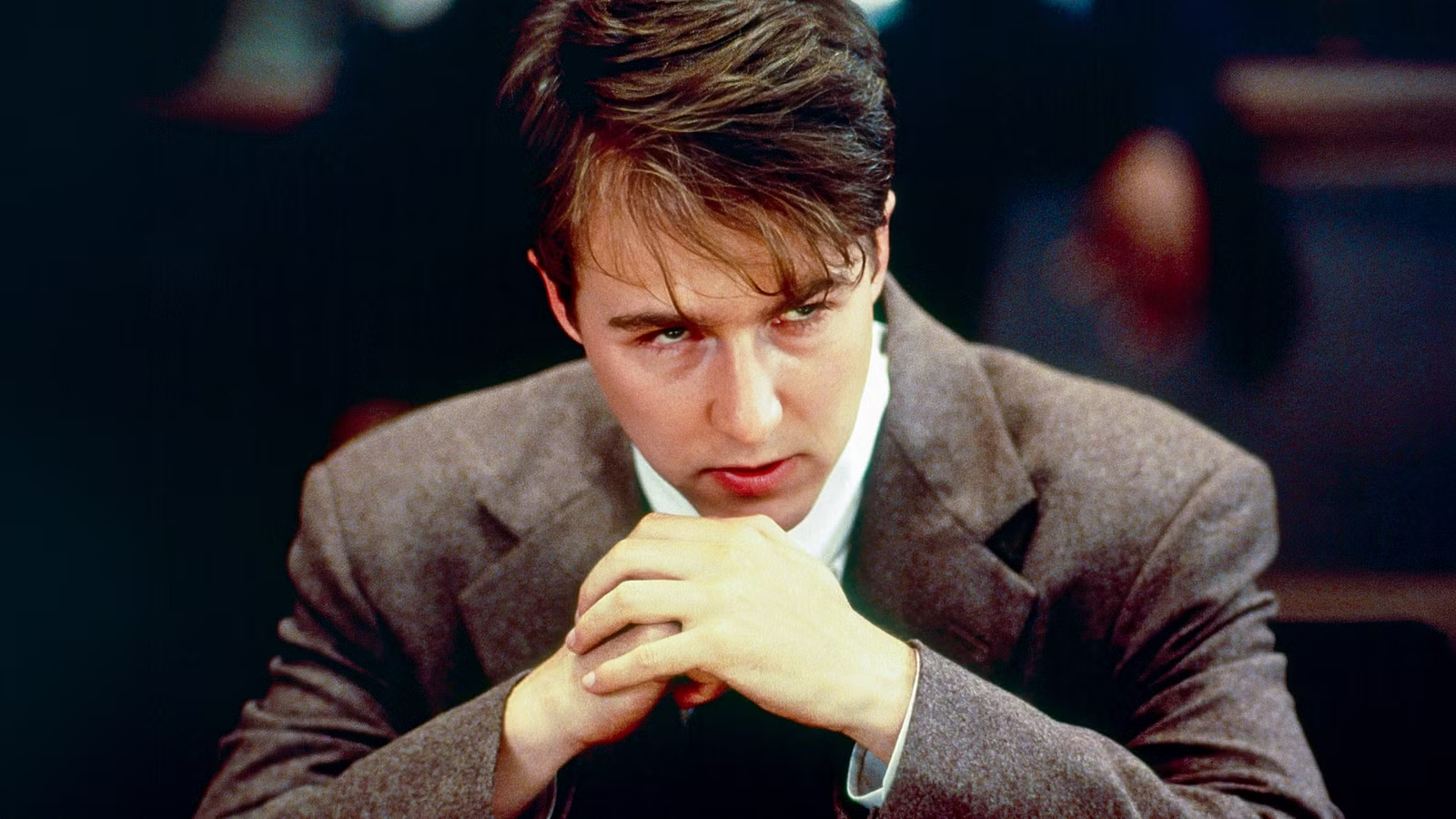
Edward Norton walked into an audition room in 1995 as a nobody and walked out having fooled some of the sharpest people in Hollywood. By the time Primal Fear hit theaters on April 5, 1996, that same performance had earned him a Golden Globe, an Oscar nomination, and a career that’s still going strong three decades later.
What makes the debut remarkable isn’t just that it worked. It’s that almost nobody involved in making Primal Fear saw it coming, including the people who cast him.
How Edward Norton Fooled Everyone at His Primal Fear Audition
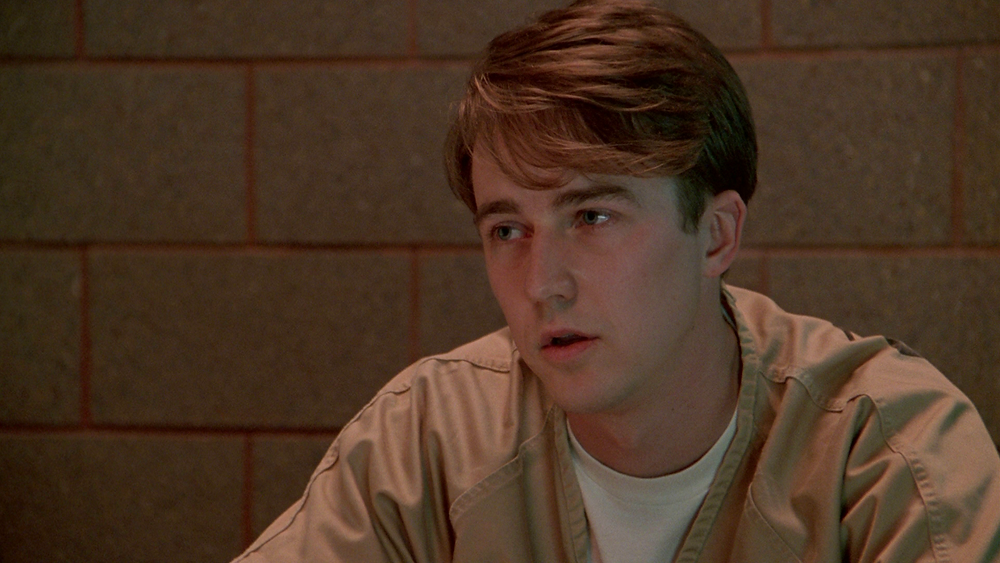
Norton played Aaron Stampler, a stammering 19-year-old altar boy from Kentucky accused of butchering a Chicago archbishop, opposite Richard Gere’s slick defense attorney Martin Vail. The role had been circling for months before Norton entered the picture.
Leonardo DiCaprio and Wil Wheaton had both passed. Matt Damon auditioned and lost the part, a rejection that reportedly helped push him toward writing Good Will Hunting with Ben Affleck. Producer Hawk Koch has said over 2,000 actors were seen for the role, among them Edward Furlong, Pedro Pascal, and James Van Der Beek.
Norton didn’t just read for Stampler. He became him, stutter and all, and kept the act going through multiple rounds of casting without revealing he was a Yale drama graduate rather than the sheltered West Virginia kid he was playing.
Koch later wrote that the production had already burned through countless passes from established young stars and was still waiting to hear back from DiCaprio when Norton’s tape landed. Casting director Deb Aquila’s approach to the audition changed everything for him.
“She actually got on the floor with me to read the scene,” Norton said, describing the audition to Koch decades later.
By the time the studio realized who they’d actually cast, the deception had already worked on everyone in the room, including Gere.
“He had brilliantly fooled us all,” Koch wrote in his memoir Magic Time: My Life in Hollywood, recalling the moment the production discovered their stuttering Kentucky altar boy was neither stuttering, nor from Kentucky, nor an unknown talent stumbling into his first job. He was executing a plan.
Related: The Rule About Fight Club Nobody Talks About: What the Film Actually Gets Right About Masculinity
Edward Norton’s Real Approach to Playing Aaron Stampler
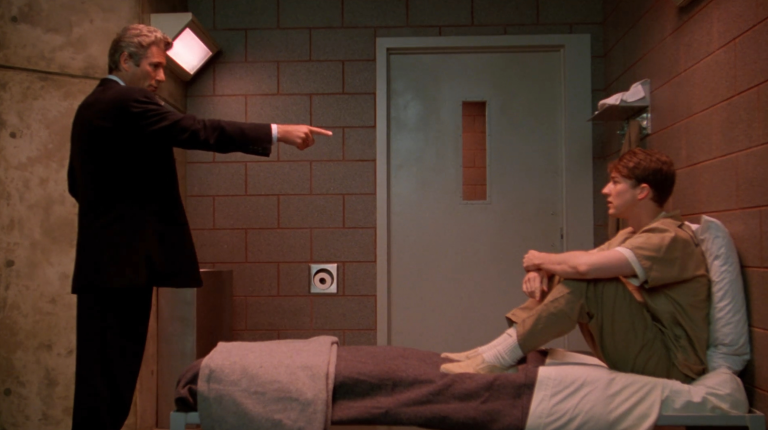
Aaron Stampler’s entire function in Primal Fear depends on the audience buying his fragility before the film pulls the floor out. Norton understood that the character’s stutter and meekness were themselves a performance within the performance, a manipulation aimed as much at Gere’s character as at the viewer.
Norton later broke down exactly what he was building into every scene, describing how Aaron’s helplessness was engineered to provoke sympathy while masking something else entirely.
“He’s so manipulative! It’s this great manipulation on this slick Richard Gere,” he told SiriusXM.
Roger Ebert, reviewing the film for the Chicago Sun-Times, singled out Norton’s work as the element that elevated a fairly conventional courtroom thriller, calling Aaron a character that was completely convincing in more ways than one.
The film’s Rotten Tomatoes consensus would later credit the whole project as a straightforward thriller carried by a genuinely exceptional lead performance from its newcomer.
Primal Fear’s Box Office Success and What It Launched for Edward Norton
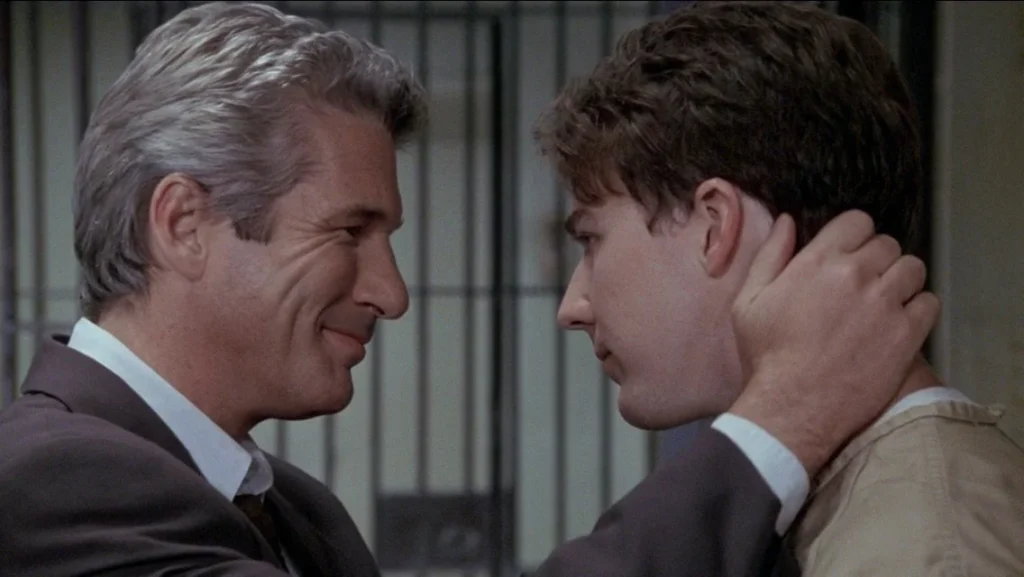
The box office backed up the buzz. Primal Fear was made for $30 million and pulled in over $102 million worldwide, a strong result for an April release that Paramount had treated as a mid-tier legal thriller rather than a prestige play. Word of mouth around Norton’s performance kept building well past the theatrical run, carrying the film into a long life on cable and home video.
The speed of what followed is what separates Norton’s debut from most breakout performances. His audition tape had already circulated widely enough in Hollywood that he landed roles in Woody Allen’s Everyone Says I Love You and Miloš Forman’s The People vs. Larry Flynt before Primal Fear had even opened in theaters.
By the end of 1996, Norton had three major releases in theaters and a Best Supporting Actor nomination waiting for him at the Oscars, a level of momentum almost unheard of for someone with zero prior film credits.
That nomination, and the Golden Globe win that came with it, set the template for the rest of Norton’s career. He’d go on to earn additional Oscar nominations for American History X and Birdman, but the pattern those later performances follow, disappearing so completely into a role that the craft behind it becomes invisible, was already fully formed in Primal Fear.
Norton has spent thirty years building a career defined by transformation. It started with a casting room floor, a fake stutter, and a director and producer who genuinely believed they were watching a frightened kid rather than an actor who had already won.
You May Also Like: