

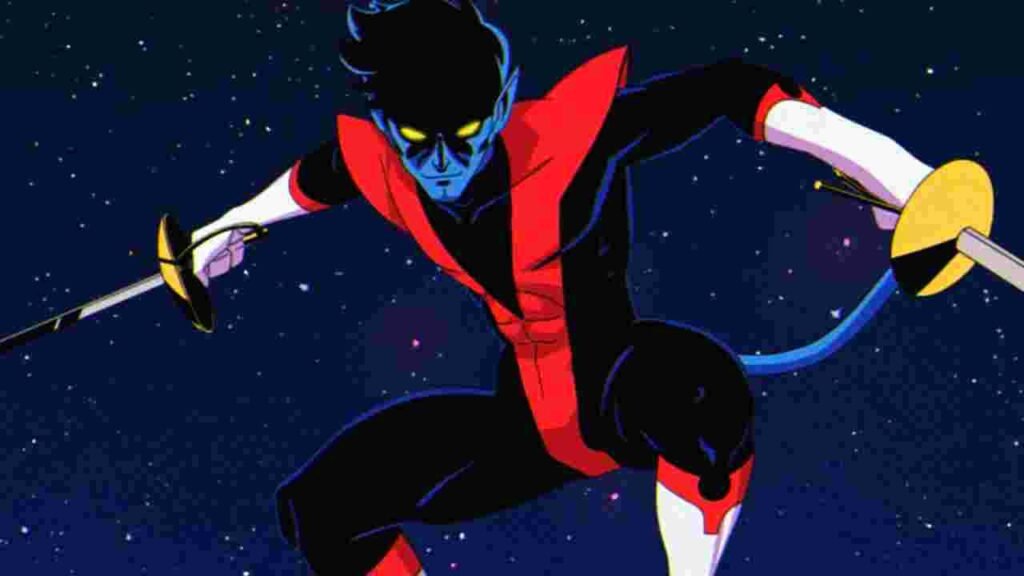
The X-Men ’97 Season 2 finale ends the battle against Apocalypse with a sacrifice that hits especially hard because it comes from one of the team’s most compassionate members. Kurt Wagner, better known as Nightcrawler, gives his life to save Rogue after she agrees to sacrifice herself to Eson the Searcher in exchange for the power needed to rescue Gambit from Apocalypse’s control.
Kurt’s final moments are built around the faith that has always defined him, making his apparent death one of the most emotional endings in the series. But is Nightcrawler actually gone for good? The finale certainly presents his sacrifice as a genuine death, yet X-Men stories have never treated death as a simple, permanent endpoint.
Kurt also has a long history of dying and returning in the comics, while the show’s time-traveling and reality-altering storyline leaves plenty of room for the rules surrounding life, death, and alternate timelines to become complicated.
Why Nightcrawler Sacrificed Himself To Save Rogue
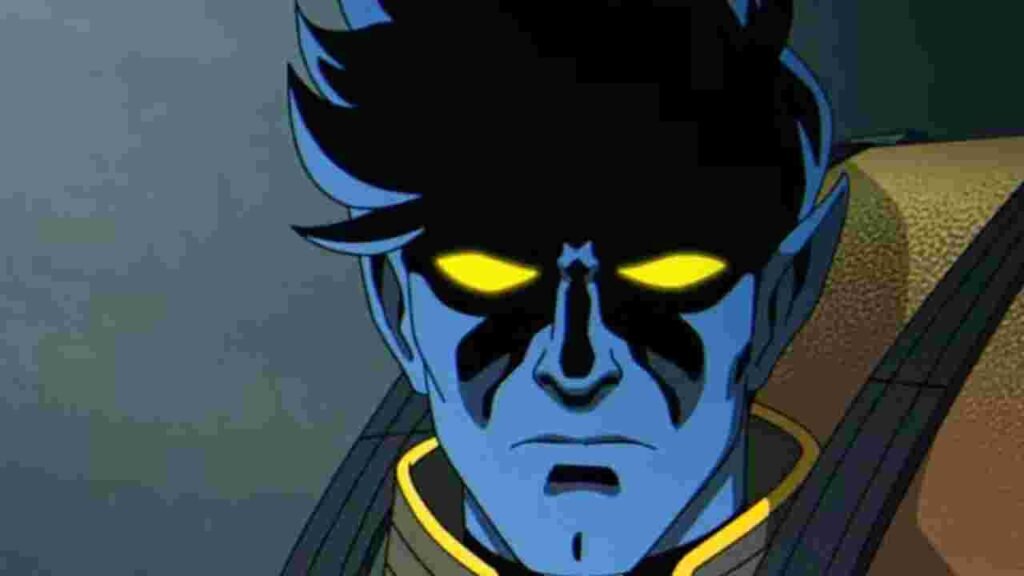
The Season 2 finale brings the X-Men’s battle against Apocalypse to its final stage after the villain resurrects Gambit as his Horseman of Death. Although Gambit’s powers eventually allow him to defeat Apocalypse, the threat is not truly gone. Apocalypse’s soul remains within Gambit, creating the possibility that he could regain control of the mutant.
Rogue, who has already lost Gambit once, refuses to accept that outcome. She travels with Beast and Nightcrawler to Apocalypse’s ship, where they encounter Eson the Searcher, the Celestial connected to Apocalypse’s transformation and the Death Seed. Rogue asks Eson for the power to save Gambit, but the Celestial demands a life in exchange.
Rogue accepts the terms and prepares to give up her own life.
That is where Nightcrawler’s connection to Rogue becomes crucial. Kurt is not only her teammate but also her brother, and he cannot allow her to make that sacrifice. While Rogue believes she must pay the price herself, Kurt secretly takes her place and offers his own life to Eson.
The revelation comes when Beast returns carrying a Bible, making it clear that Rogue is not the one who will die. Nightcrawler has already made the decision for her.
Kurt’s final speech makes the moment even more painful. He understands that the X-Men will mourn him, but he also believes they will eventually recover and continue protecting others. His final words, “I have faith,” are especially fitting for a character whose Catholic faith has always been one of his defining traits.
The sacrifice also gives the finale a deeper meaning. Nightcrawler is not simply killed during a battle. He willingly chooses death because he believes Rogue deserves another chance to save Gambit. His faith becomes the thing that allows him to face death without fear.
Related: How Long Was Mystique Impersonating Val Cooper in X-Men ’97? Every Clue You Missed
Could Nightcrawler Return In X-Men ’97 Season 3?
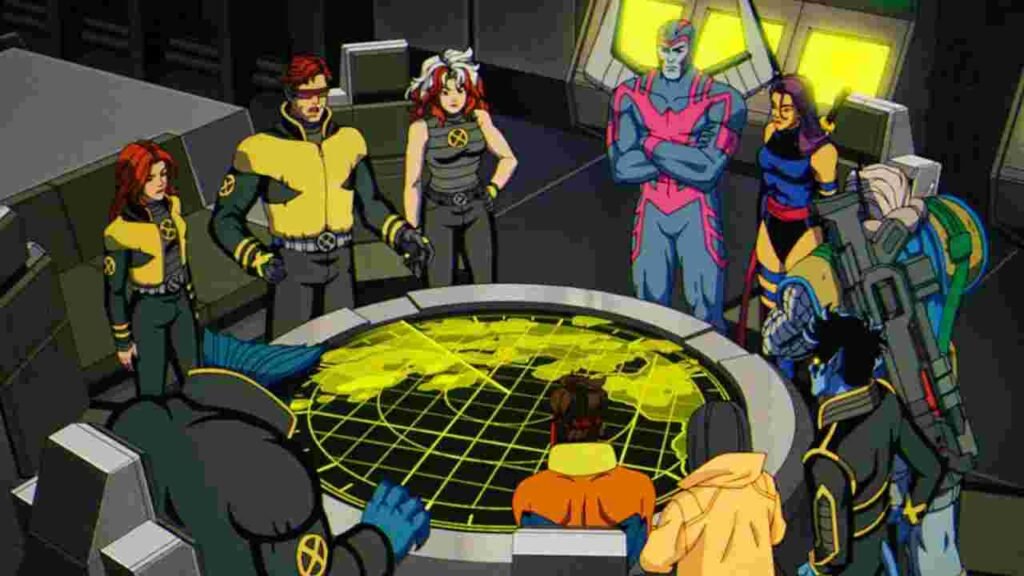
The finale treats Nightcrawler’s sacrifice as real, but that does not necessarily mean the character can never return. The X-Men franchise has repeatedly found ways to bring characters back from seemingly definitive deaths, and Kurt’s comic history gives the animated series plenty of material to draw from.
One of the clearest examples comes from Second Coming, where Nightcrawler sacrifices himself while trying to protect Hope Summers. Bastion anticipates Kurt’s teleportation and fatally wounds him, but Kurt uses his final moments to teleport Hope to safety. The circumstances are completely different from what happens in X-Men ’97, but both stories connect Nightcrawler’s powers with his willingness to push himself beyond the point of survival for someone else.
There is also the character’s relationship with the Brimstone Dimension. Nightcrawler’s teleportation allows him to travel through this alternate dimension, and the series has already established that his powers can take him into spaces that exist beyond normal physical reality. That leaves room for future stories to explore what happened to Kurt after his sacrifice, though the finale does not confirm he was trapped there.
The show’s use of time travel and altered history also makes Nightcrawler’s future difficult to predict. Cable, Bishop, and the events surrounding Apocalypse have already introduced different points in time into the story, meaning Season 3 could potentially revisit events that appeared permanent.
Comic book history offers another possibility. Nightcrawler has actually returned from death before, with his soul reaching Heaven before eventually finding his way back to Earth. The circumstances of that storyline are far removed from the animated series, but X-Men ’97 has repeatedly shown that it is willing to remix famous comic book ideas rather than reproduce them exactly.
So, based on the Season 2 finale, Nightcrawler should be considered dead. His sacrifice is genuine, and the story does not provide an immediate indication that he survived. Whether that remains true in Season 3 is another question entirely.
His final act also gives the character a fitting conclusion if the series chooses to leave him gone. Kurt dies doing exactly what has always made him special: protecting someone he loves, trusting his faith, and putting the lives of his fellow X-Men ahead of his own.
You May Also Like
Add us as a preferred source on Google.