

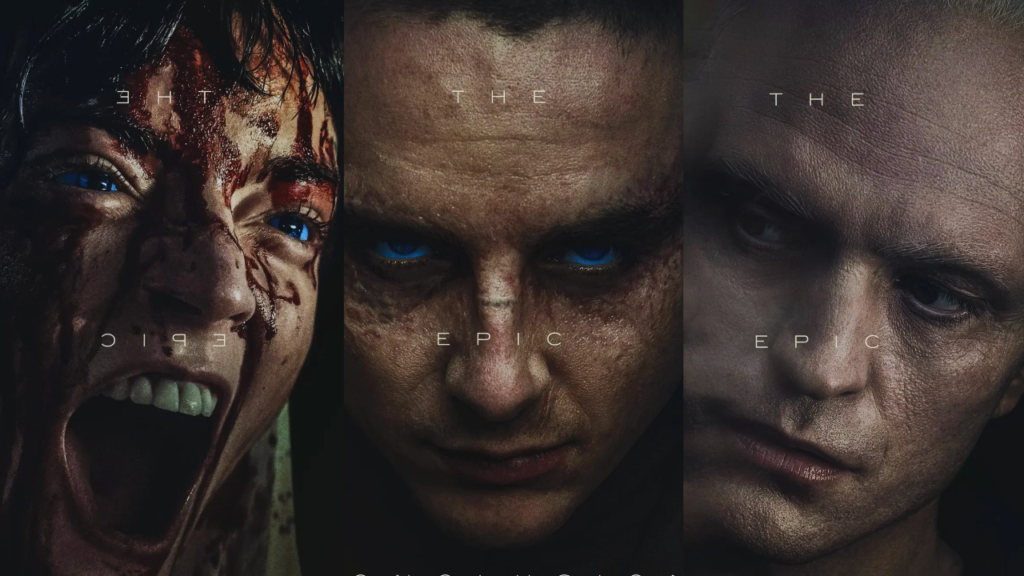
Denis Villeneuve hasn’t made a movie since Dune: Part Two crossed the 700-million-dollar mark in 2024, and his follow-up is the biggest narrative swing of his career. Dune: Part Three adapts Frank Herbert‘s controversial 1969 sequel Dune Messiah, arriving with a towering budget, an A-list ensemble, and more pre-release discourse than any sci-fi project since the trilogy first took root.
Table of Contents
When Does Dune: Part Three Come Out in Theaters?
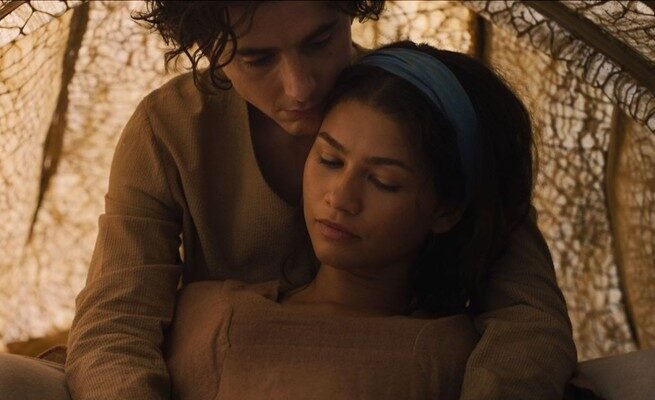
Warner Bros. and Legendary Pictures are releasing Dune: Part Three exclusively in theaters worldwide on December 18, 2026, with early preview screenings starting the evening of December 17. Villeneuve returns to complete his monumental adaptation of Frank Herbert’s universe, following the massive commercial and critical success of Dune: Part One in 2021 and Dune: Part Two in 2024.
Production officially kicked off in July 2025 across familiar desert vistas in Jordan and the United Arab Emirates, alongside massive soundstages in Budapest. Principal photography wrapped later that year in November 2025, leaving ample time for post-production, visual effects, and Hans Zimmer’s sweeping soundscapes.
Pre-sale tickets for premium formats have already triggered massive demand across ticketing platforms, though Avengers: Doomsday appears to be winning the race for now.
Dune: Part Three Runtime: How Long Is Dennis Villeneuve’s Final Chapter?
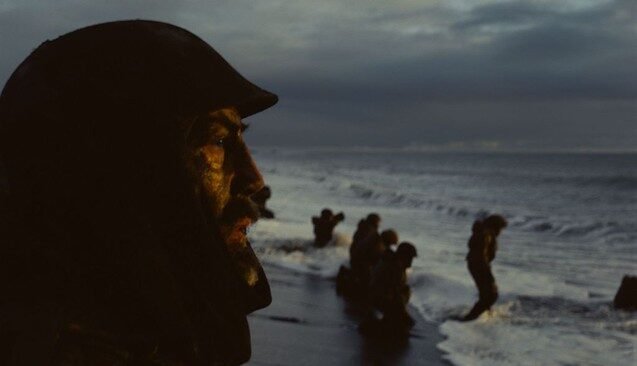
While official studio confirmation is still rolling out closer to release, industry tracking and early production listings indicate Dune: Part Three will clock in at roughly 2 hours and 45 minutes to 2 hours and 55 minutes.
That keeps it right in line with the sweeping runtime of Dune: Part Two (2 hours 46 minutes). Adapting Herbert’s tightly packed novel requires compressing a dense web of political assassinations, religious conspiracies, and psychological decay, ensuring Villeneuve has plenty of breathing room for the trilogy’s emotional climax.
What Happened in Dune: Part One & Part Two?
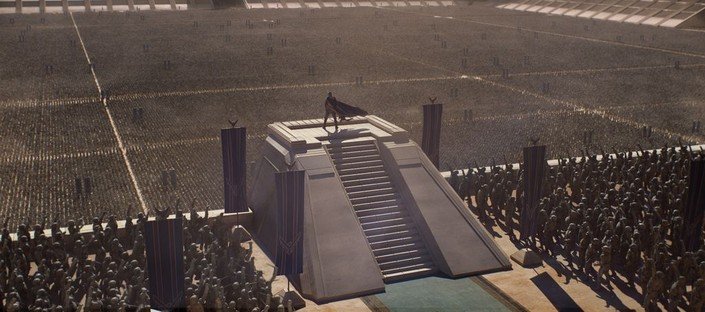
Before diving into the final chapter, it helps to look back at how Paul Atreides went from a noble heir to a religious emperor leading a holy war across the stars.
Dune: Part One (2021) Recap
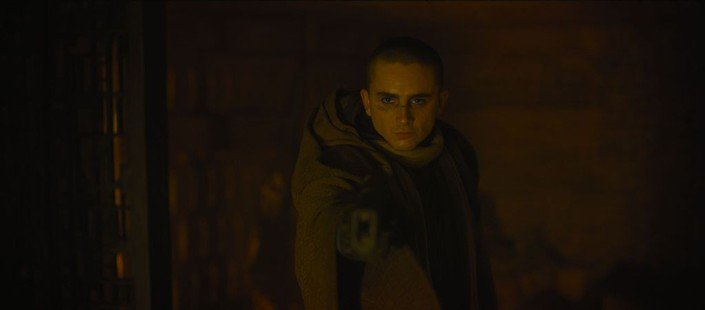
House Atreides is commanded by the Padishah Emperor Shaddam IV to leave their ocean home of Caladan and take over the stewardship of Arrakis, the harsh desert planet that serves as the sole source of the universe’s most valuable resource, the spice melange.
However, Duke Leto Atreides (Oscar Isaac), Lady Jessica (Rebecca Ferguson), and young Paul (Timothée Chalamet) know the assignment is a deadly trap orchestrated by their bitter rivals, House Harkonnen.
Shortly after arriving, the betrayal strikes. Baron Harkonnen (Stellan Skarsgård) launches a devastating surprise attack backed by elite imperial Sardaukar troops. Duke Leto is killed, but Paul and Jessica escape into the deep desert.
There, they encounter the native Fremen people. After proving themselves, Paul and Jessica are accepted into Sietch Tabr, setting the stage for Paul’s integration into desert culture and his prophetic awakening.
Dune: Part Two (2024) Recap
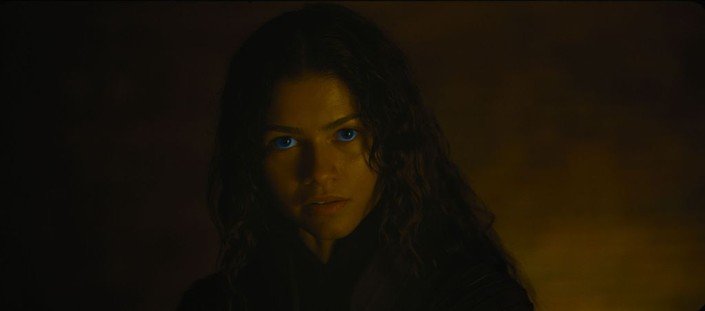
Paul embraces his life among the Fremen, fighting alongside Chani (Zendaya) and falling in love with her while winning the trust of fundamentalist leader Stilgar (Javier Bardem). Though Paul desperately wants to avoid a catastrophic holy war he sees in his visions, mounting pressure and the terrifying realization of his heritage push him toward his destiny.
After drinking the lethal Water of Life, Paul awakens with absolute clarity over past, present, and future. He rides the colossal Shai-Hulud sandworms, rallies the northern and southern Fremen tribes, and marches on the capital of Arrakis.
He defeats Feyd-Rautha Harkonnen in single combat, forces Emperor Shaddam to abdicate, and seizes the throne. When Chani refuses to bow to him and walks away into the desert, Paul orders his fanatical legions to launch their interstellar jihad across the galaxy, cementing his transformation from hero to reluctant tyrant.
Dune: Part Three Complete Cast Guide
Timothée Chalamet as Paul Atreides: The reigning Emperor of the known universe, now trapped inside the religious machinery of a devastating interstellar jihad.
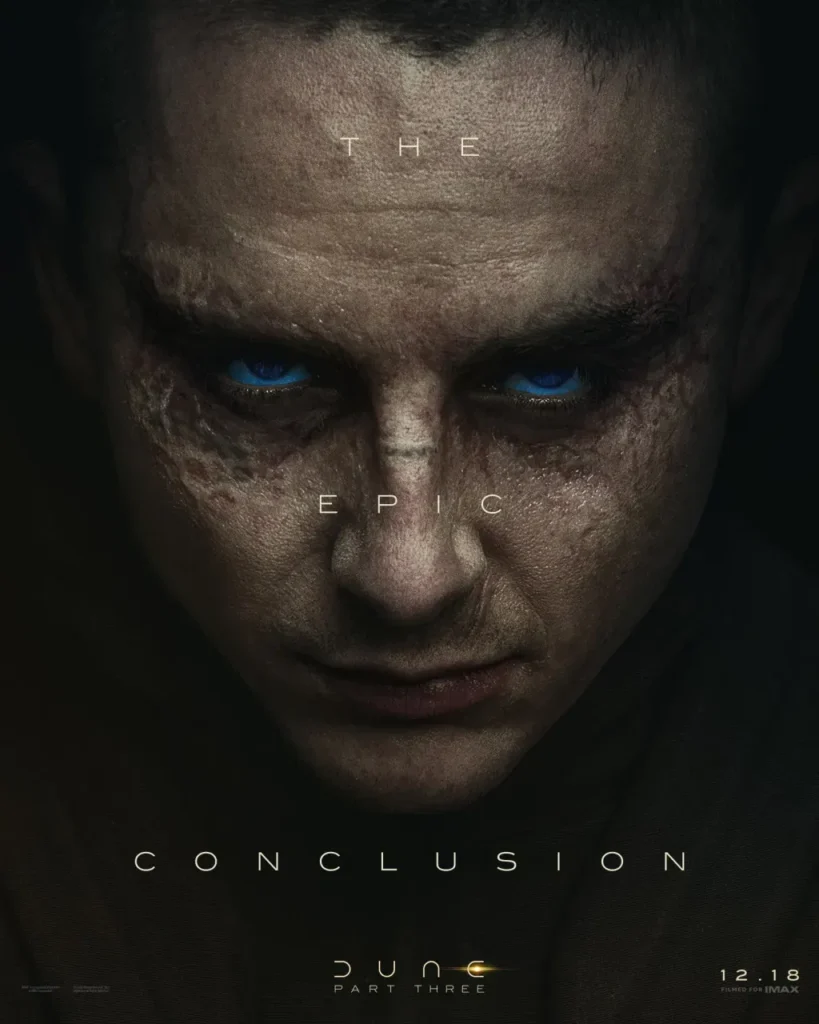
Zendaya as Chani: Paul’s former partner whose ideological resistance and betrayal deepen significantly following the events on Arrakis.
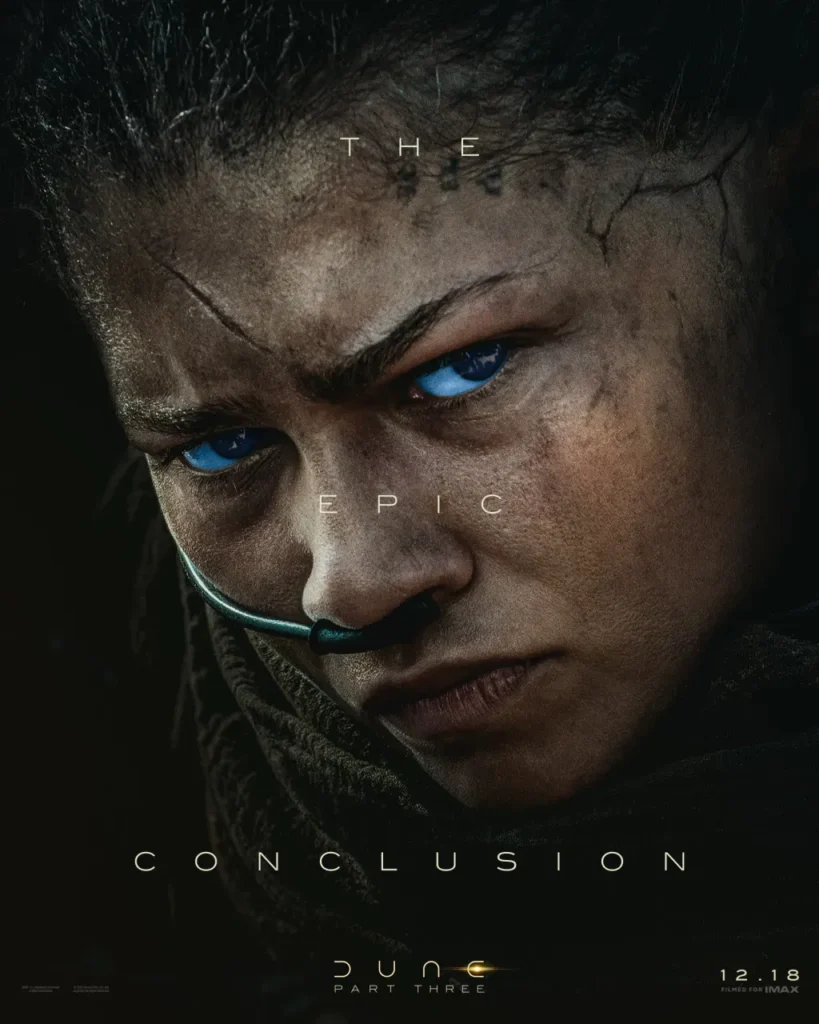
Florence Pugh as Princess Irulan Corrino: The Empress trapped in a purely political marriage with Paul while navigating dangerous court and Bene Gesserit intrigue.
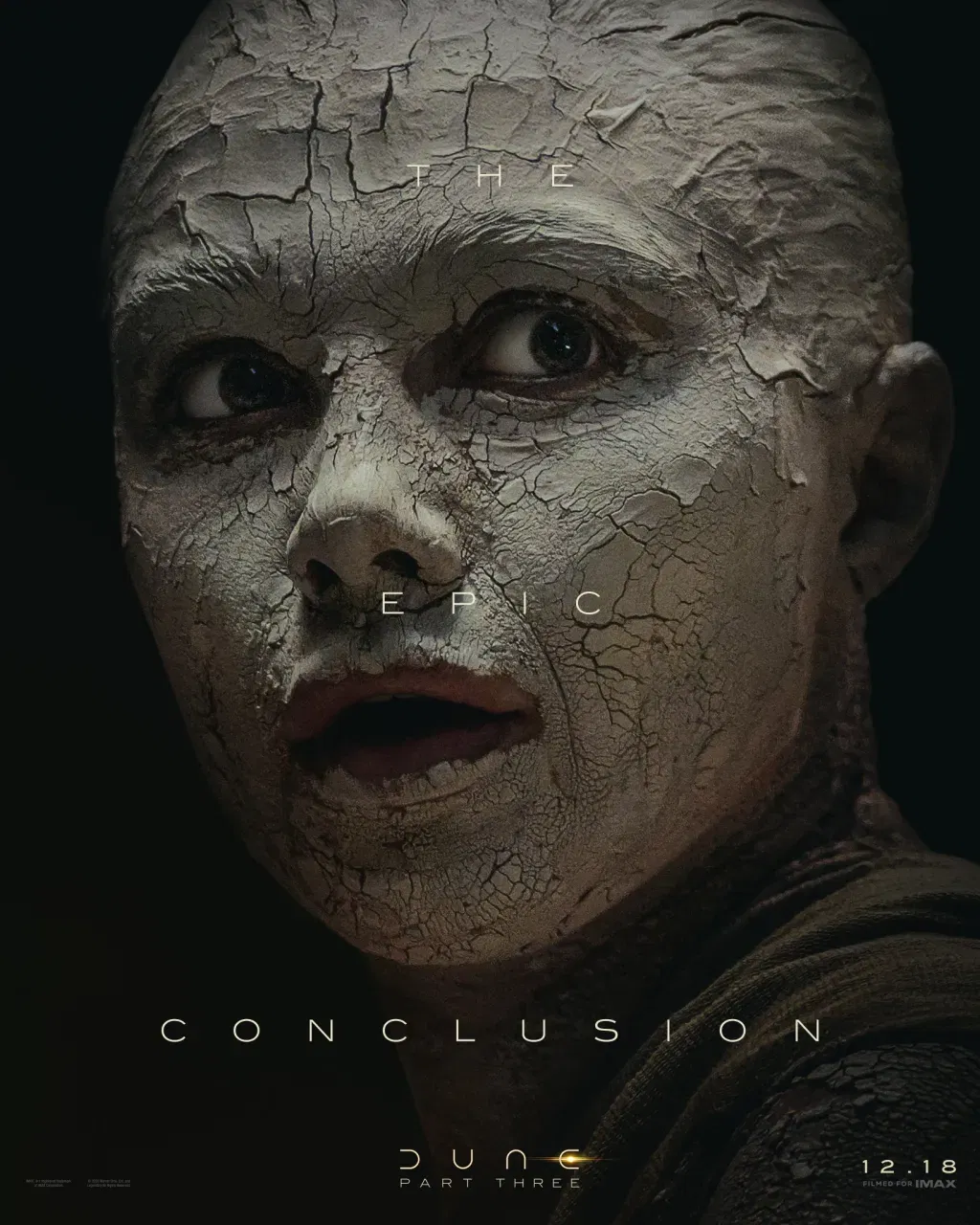
Rebecca Ferguson as Lady Jessica: The powerful Bene Gesserit mother pulling strings from the shadows to protect the Atreides dynasty.
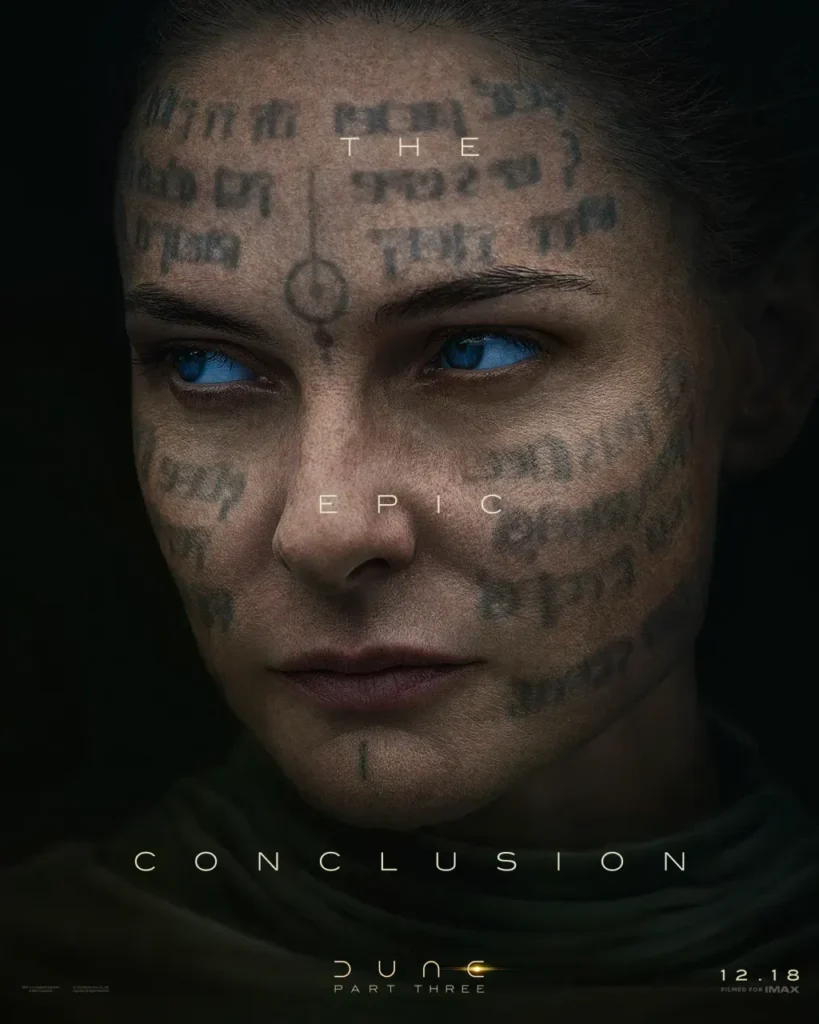
Anya Taylor-Joy as Alia Atreides: Paul’s pre-born sister possessing ancestral consciousness, serving as a chilling religious and political presence.
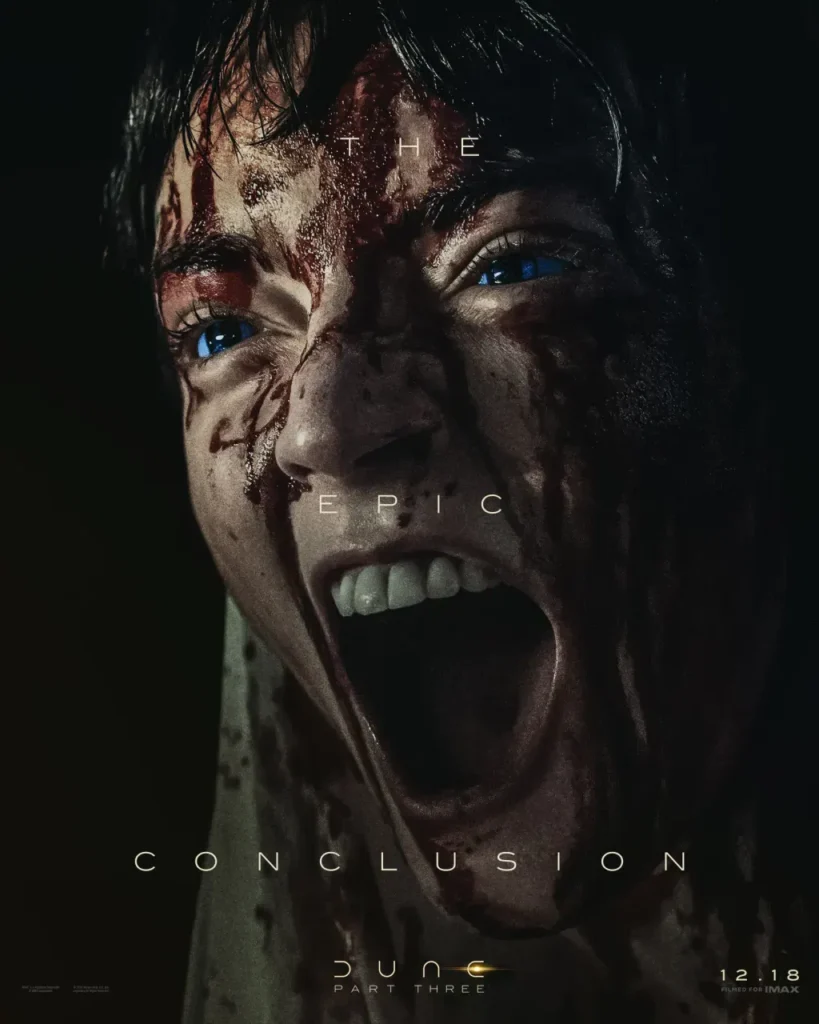
Javier Bardem as Stilgar: The devoted Fremen fundamentalist leader whose worship of Paul drives the empire’s religious fanaticism.
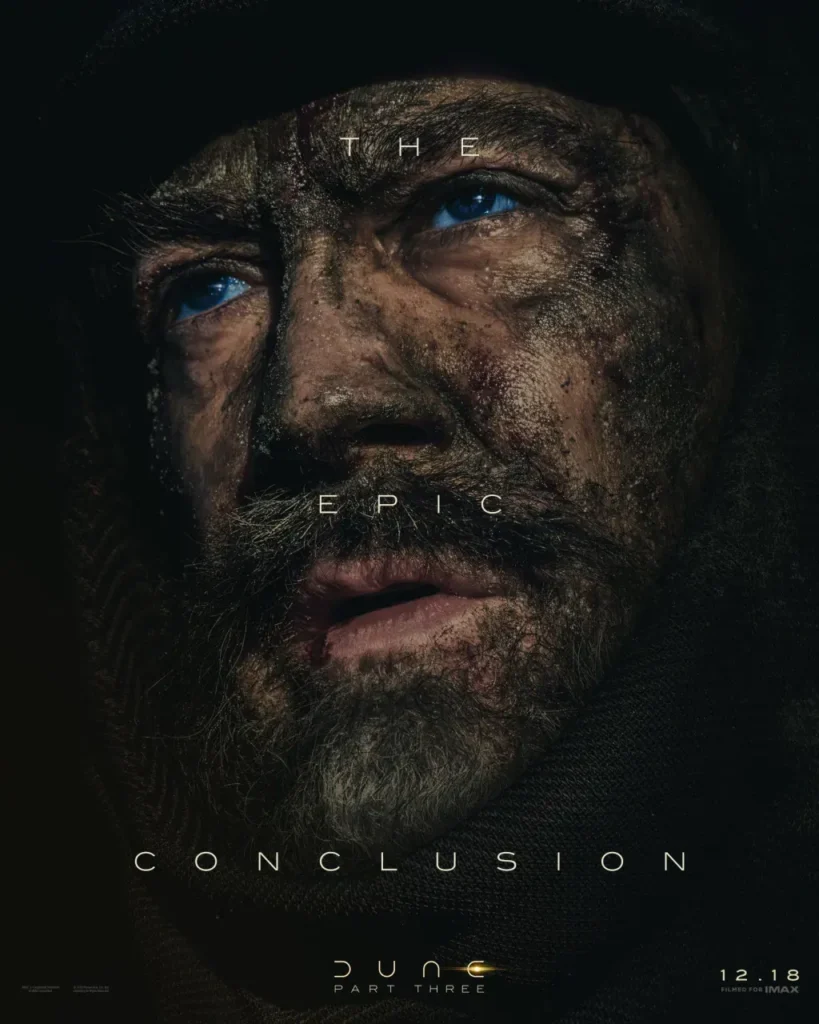
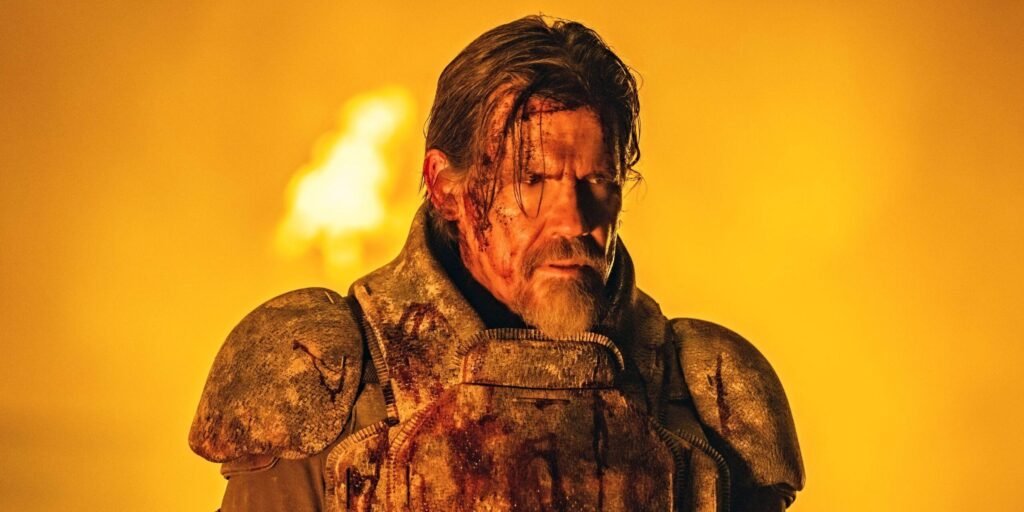
Josh Brolin as Gurney Halleck: The hardened warrior and loyal mentor who continues to serve as Paul’s trusted military advisor.
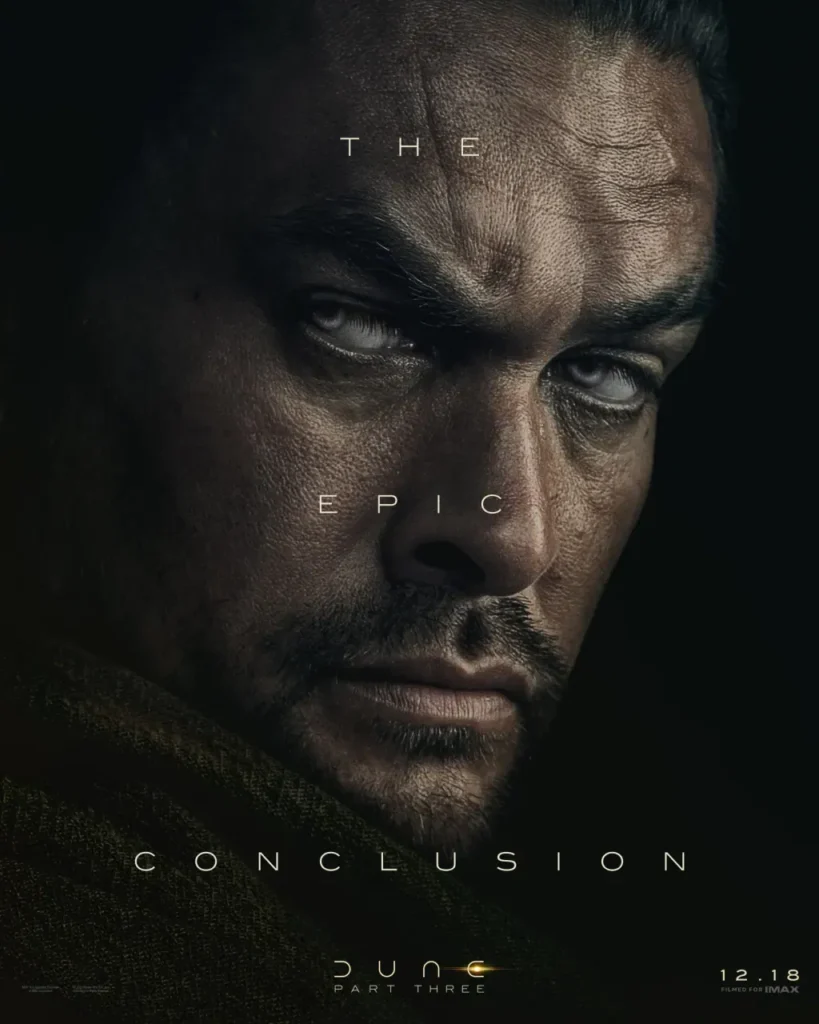
Jason Momoa as Hayt / Duncan Idaho: A Tleilaxu ghola—a cloned resurrection of Duncan engineered with hidden programming to test Paul’s sanity.
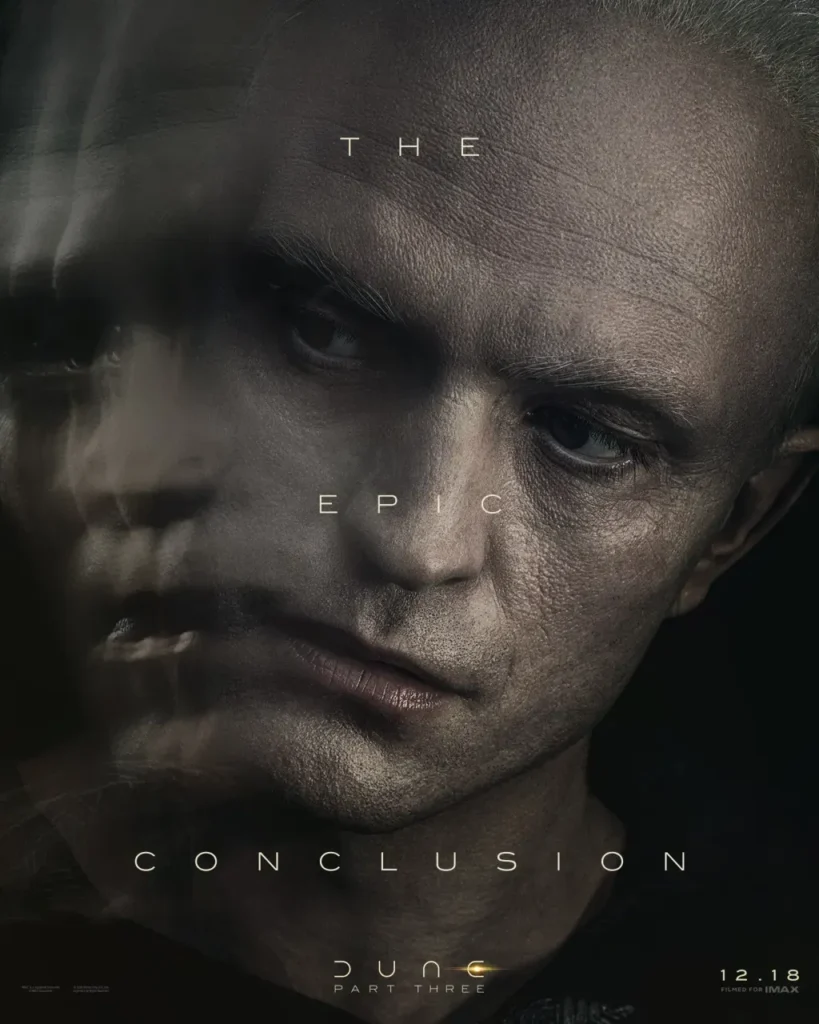
Robert Pattinson as Scytale: A shape-shifting Face Dancer acting as the primary orchestrator of a complex conspiracy against the Atreides.
Nakoa-Wolf Momoa as Leto II Atreides: Paul and Chani’s powerful infant son and twin heir to the throne.
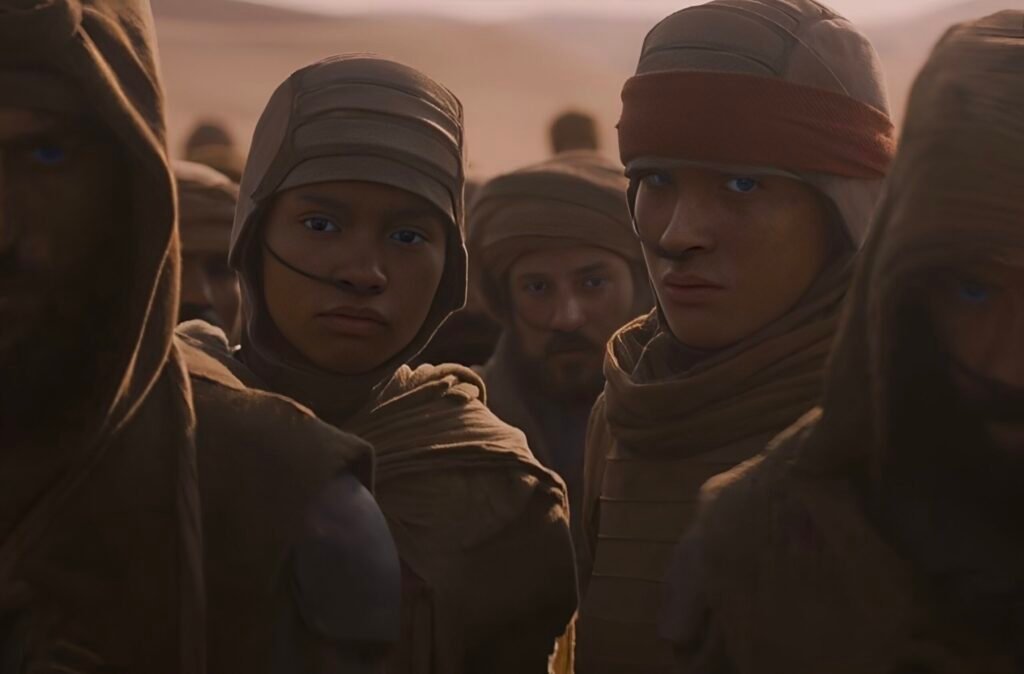
Ida Brooke as Ghanima Atreides: Paul and Chani’s powerful infant daughter and twin heir to the throne.
Who Is Scytale In Dune: Part Three?
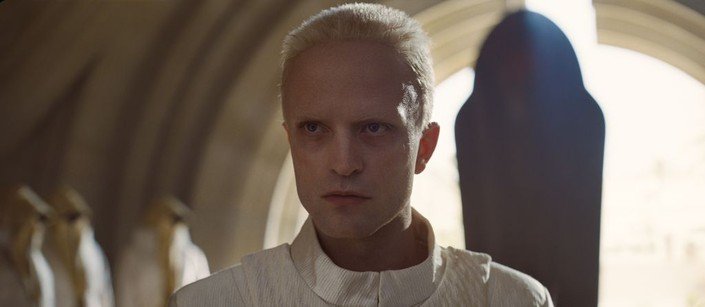
Robert Pattinson joins the franchise as Scytale, a shape-shifting Face Dancer belonging to the Bene Tleilax. In Frank Herbert’s novel, Scytale acts as a primary orchestrator of the multi-pronged conspiracy designed to break Emperor Paul Atreides.
Using his bio-engineering background and ability to alter his physical appearance to mimic anyone, Scytale represents the insidious, and hidden underbelly of the Imperium.
His inclusion adds a tense, psychological cat-and-mouse element to the narrative, particularly as the conspirators weaponize emotional ghosts from Paul’s past, most notably through the creation of the Tleilaxu ghola, Hayt (played by Jason Momoa).
Is Chani The Real Villain in Dune: Part Three?
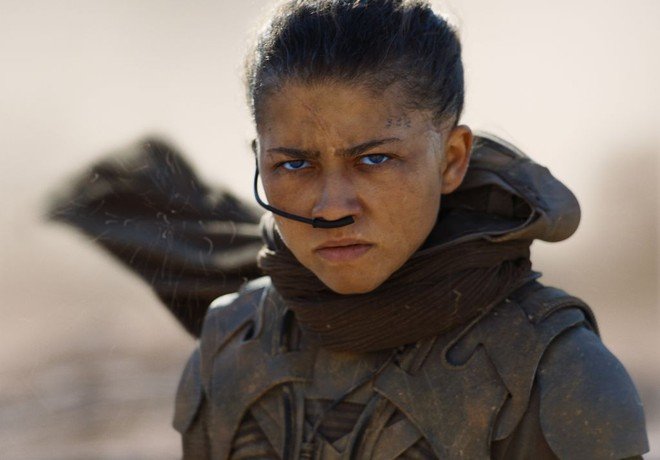
Of all Villeneuve’s departures from Herbert, Chani remains the most consequential.
In the novels, Chani stays by Paul’s side as a devoted partner despite his political marriage to Irulan. However, Villeneuve’s Dune: Part Two broke from this by having Chani reject Paul’s ascension and walk away into the desert.
The trailers indicate they cross paths again, but their relationship is heavily fractured. Chani’s fierce independence makes her an ideological counterweight to Paul’s religious empire. She remembers the man he was before he became an object of worship, giving the final film a deeply personal, and emotionally devastating conflict that the books approached differently.
Read More: Jim Lee Has a New Boss, But Will DC Comics Strike Gold with Josh Silverman?
Dune: Part Three Plot Vs. Frank Herbert’s Dune Messiah

Based closely on Herbert’s 1969 novel Dune Messiah, Dune: Part Three jumps roughly twelve years forward in time. Paul Atreides sits on the Imperial throne, having successfully seized control of the galaxy. However, his victory has unleashed a devastating interstellar jihad across billions of worlds, executed in his name by zealous Fremen legions.
Paul finds himself trapped by his own prescient visions. Every future path he foresaw has locked him into a rigid trajectory, making him a reluctant tyrant caught inside a religious machinery he can no longer control.
Beneath the surface of the Imperium, a powerful conspiracy takes shape. Surviving factions, including the displaced Spacing Guild, the secretive Sisterhood of the Bene Gesserit, and the bio-engineering Tleilaxu, unite to orchestrate Paul’s downfall.
They introduce Hayt, the resurrection of Duncan Idaho, alongside the shape-shifter Scytale, aiming to exploit Paul’s emotional vulnerabilities and shatter the absolute authority of the Atreides house.
Dune Messiah Book Ending Explained (Spoilers for the Novel)
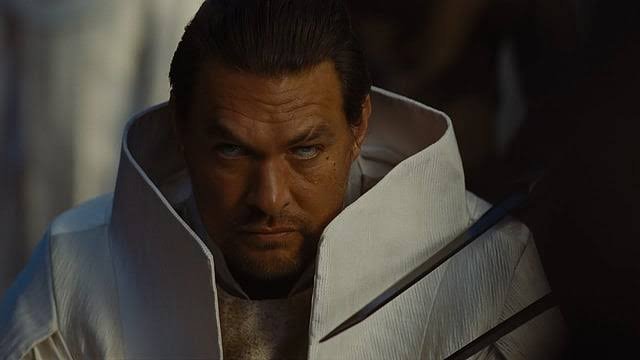
This section covers Frank Herbert’s novel Dune Messiah, which dictates the narrative shape and ultimate emotional gut-punch of Villeneuve’s cinematic conclusion.
Herbert’s novel builds toward a multi-pronged conspiracy intended to force Paul Atreides into a fatal political checkmate. The conspirators use a weapon known as a stone burner, a blinding atomic device, that robs Paul of his physical sight.
Because traditional Fremen culture dictates that the blind are a burden left to die in the open desert, his political enemies expect him to lose his grip entirely. However, Paul’s prescient sight allows him to “see” through his mind’s eye, navigating rooms and anticipating movements as though he still had biological vision.
At the emotional core is Chani. Empress Irulan, acting under secret directives from the Bene Gesserit, has spent years administering contraceptives to prevent Chani from bearing Paul an heir.
Once Chani switches to a traditional Fremen fertility diet, she finally becomes pregnant, carrying twins, Leto II and Ghanima. Tragically, the heavily manipulated and toxic environment causes Chani to die during childbirth.
Following Chani’s death, the Tleilaxu face-dancer Scytale holds a knife to newborn infant Leto II, offering Paul an impossible bargain. Scytale will use advanced technology to clone a living, breathing ghola of Chani in exchange for Paul abdicating his throne and handing over the Imperium.
Paul refuses to compromise. At that precise moment, through a remarkable quirk of Atreides pre-natal awareness, Paul’s consciousness links directly with his infant son, Leto II. Seeing the room through the eyes of his newborn son, Paul throws a hidden crysknife with pinpoint accuracy, killing Scytale and saving the twins.
With Chani gone and his physical body broken, Paul chooses to walk alone into the deep desert of Arrakis, embracing the traditional Fremen death ritual for the blind.
He leaves behind his infant children and an empire struggling to understand his legacy. Alia steps in as regent to protect the twins, while Duncan Idaho recovers his full memories, breaking free of his programming to stand beside the Atreides bloodline.
For a more detailed explaining, check out this detailed piece by NSN’s Shawn Paul Wood.
How and Where to Watch Dune: Part Three?

Dune: Part Three is playing exclusively in theaters worldwide starting December 18, 2026, featuring extensive native IMAX 70mm, Dolby Cinema, and premium large-format runs.
Given Villeneuve’s commitment to large-format immersion, securing tickets for true IMAX screens early is essential. Following its exclusive theatrical run, expect the film to land on digital storefronts for rent or purchase, followed by a streaming debut on Max in early 2027.
FAQs
Is Dune: Part Three rated PG-13 or R?
Dune: Part Three carries a PG-13 rating for sequences of strong sci-fi violence, action, and thematic elements, matching its predecessors.
Who wrote the screenplay for Dune: Part Three?
Denis Villeneuve co-wrote the screenplay alongside comic book writer and author Brian K. Vaughan, adapting Frank Herbert’s Dune Messiah.
Does Dune: Part Three have a post-credits scene?
Villeneuve avoids Marvel-style post-credits scenes, choosing to let the narrative weight of his conclusions stand on their own without teasers.
Will Dune: Part Three be the final movie in the franchise?
Yes, Villeneuve has repeatedly stated that Part Three will serve as his final film in the franchise, treating the story as a definitive trilogy ending centered on Paul Atreides’ tragic arc.
You May Also Like:
Add us as a preferred source on Google.