

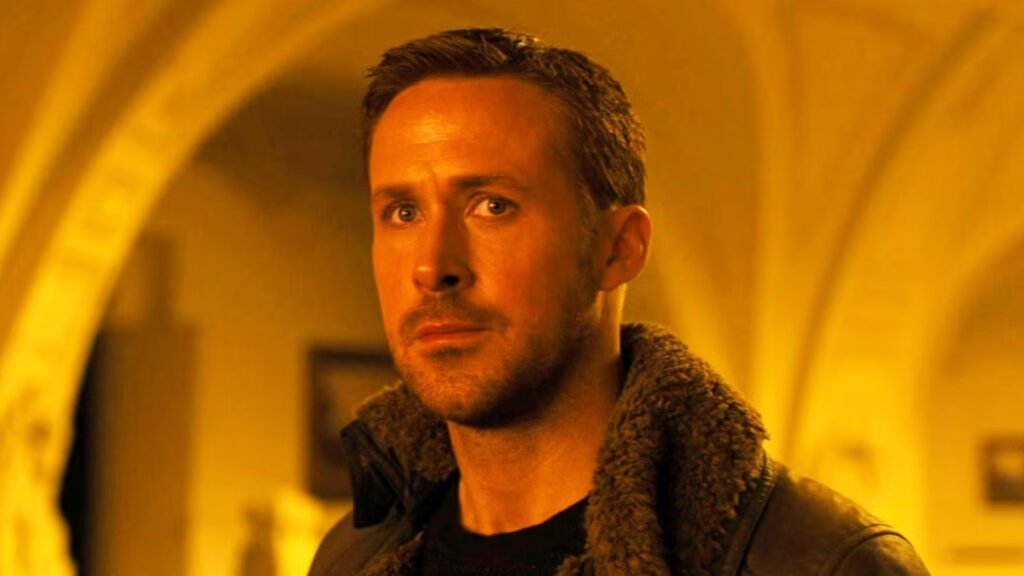
When I think about modern sci-fi blockbusters, they are almost universally obsessed with destiny, handing their protagonists ancient bloodlines, secret prophecies, or glowing superpowers. That is why Denis Villeneuve‘s Blade Runner 2049 has always stuck with me.
Instead of leaning into that worn-out blueprint, Villeneuve takes the classic “Chosen One” trope, hands it to a replicant named Officer K, and then methodically dismantles it piece by piece.
In a world where everyone is desperate to be born of a miracle, K’s ultimate tragedy and his ultimate triumph is realizing that true freedom doesn’t come from being special by birth. It comes from choosing what matters when you are entirely ordinary.
Blade Runner 2049 Completely Reverses the Chosen One Trope
In most storytelling, the hero gradually learns that they are exceptional because of who their parents are or what destiny has carved out for them. Blade Runner 2049 completely reverses that pattern.
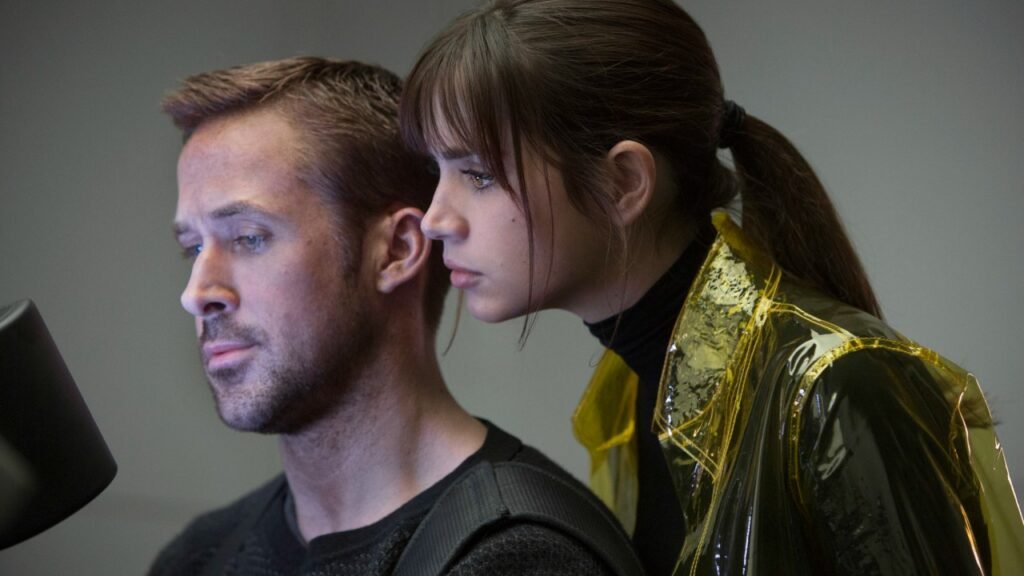
Officer K (played by Ryan Gosling) spends the first two acts trying to uncover the truth about his potential uniqueness, only to conclude that being chosen by birth is entirely meaningless.
When I watch K piece together clues, like the wooden toy horse or Doctor Stelline validating his childhood memories, the movie builds a remarkably convincing case that he is the miracle child born to Rachael and Rick Deckard. But watching the film pull the rug out from under him never fails to hit hard.
The Reality Check: When Being “Special” Falls Apart
The illusion shatters once Freysa reveals the cold truth that the child wasn’t unique to K, and thousands of replicants share those exact same implanted memories.
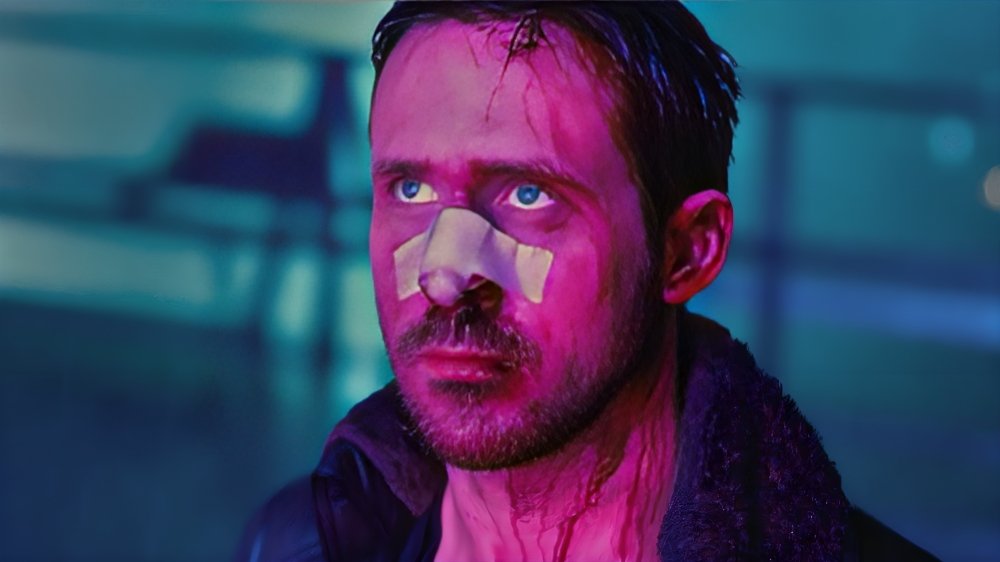
Once K loses hope that he is chosen by destiny, he starts doubting whether he even has a soul. But in my view, this is where the narrative actually begins.
Stripped of his grand illusion, K makes a conscious choice to save Deckard from death. His selfless act doesn’t serve a greater cosmic purpose; he simply decides to help a man because it is the right thing to do. That is where K truly creates his own identity through action rather than elite hierarchy.
Related: 5 Ryan Gosling Movies That Never Got the Recognition They Deserved
“Joe,” Ordinary Identity, and the Power of Choice
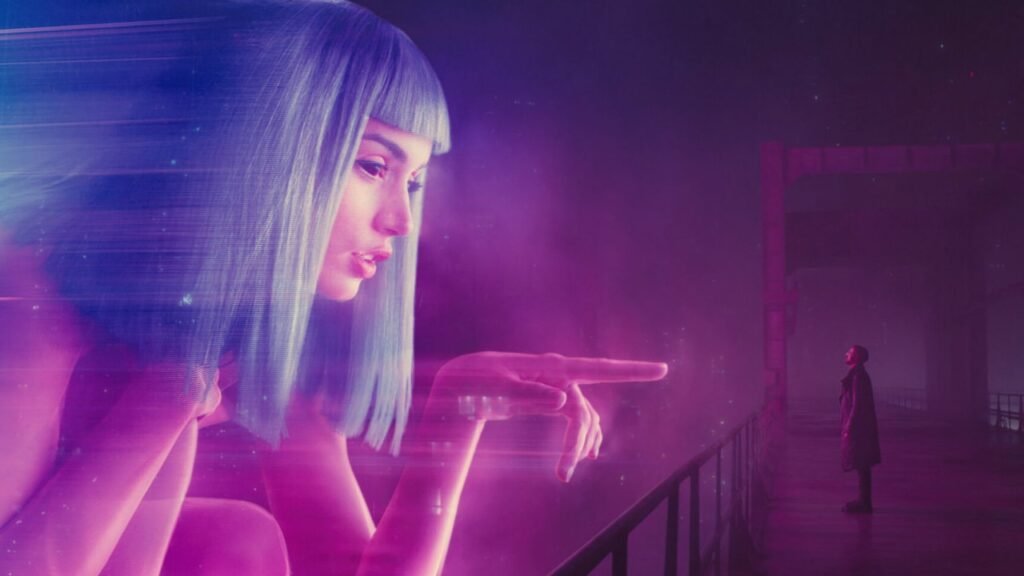
Look closely at the name given to K by his AI companion Joi: “Joe.” It’s the ultimate ordinary name.
When K later discovers that Joi used that name as part of a standard consumer script implanted in all replicants to make them feel unique, it hits on a profound level.
Yet, it doesn’t diminish the resolution for me. K knows he isn’t special, yet he makes his final decision anyway, fully accepting that he is no different from anyone else.
Villeneuve and screenwriter Hampton Fancher crafted a masterclass in showing that true humanity isn’t handed down by prophecy, it is forged in the quiet choices of an average person navigating a controlled society.
You May Also Like
Add us as a preferred source on Google.
[…] Related: Blade Runner 2049 Is the Best Movie Ever Made About NOT Being the ‘Chosen One’ […]