

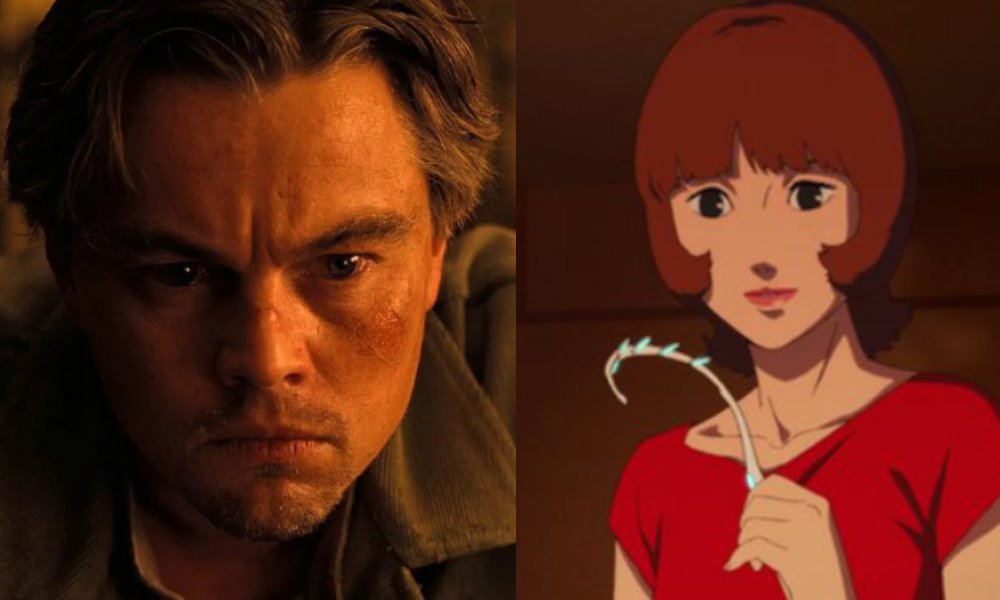
When I sit down to watch Christopher Nolan‘s Inception, I admire it as a masterclass in architectural engineering. It treats the human mind like a high-security vault packed with padlocks, physics engines, and mathematical kick timelines.
But whenever I want to feel what it actually feels like to lose my grip inside a dream, I turn to Satoshi Kon‘s Paprika. While Nolan builds a meticulously calculated heist movie where dreams are puzzles to be solved, Kon captures the chaotic, unfiltered terror of a psyche unraveling.
Comparing Inception’s Mechanized Rigidity With Paprika’s Living Chaos
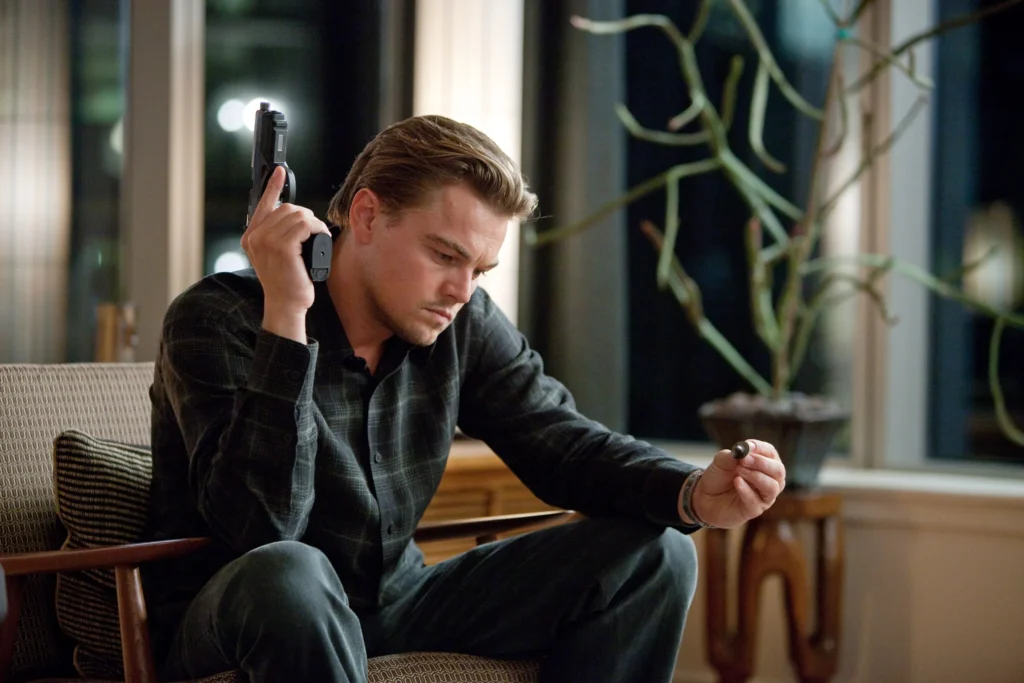
In Inception, Dom Cobb’s crew approaches the subconscious with military discipline. Rules govern every layer: if you die, you wake up; if you fall, a synchronized kick pulls you back.
The architecture shifts, folds, and rotates with geometric precision. It’s brilliant filmmaking, but it treats the human mind as a cold, predictable machine.
But when I look at Paprika, the contrast couldn’t be sharper. Kon introduces the DC Mini, a device allowing therapist Atsuko Chiba to enter patient dreams under her chaotic alter-ego, Paprika, not as a tool for corporate espionage, but as a gateway to collective madness.
When the technology is stolen, the boundary between reality and the subconscious collapses entirely. The film throws you headfirst into the Great Parade, a terrifying, hyper-vibrant march of appliances and religious icons that perfectly mimics how a cluttered, overwhelmed mind actually behaves when all filters are stripped away.
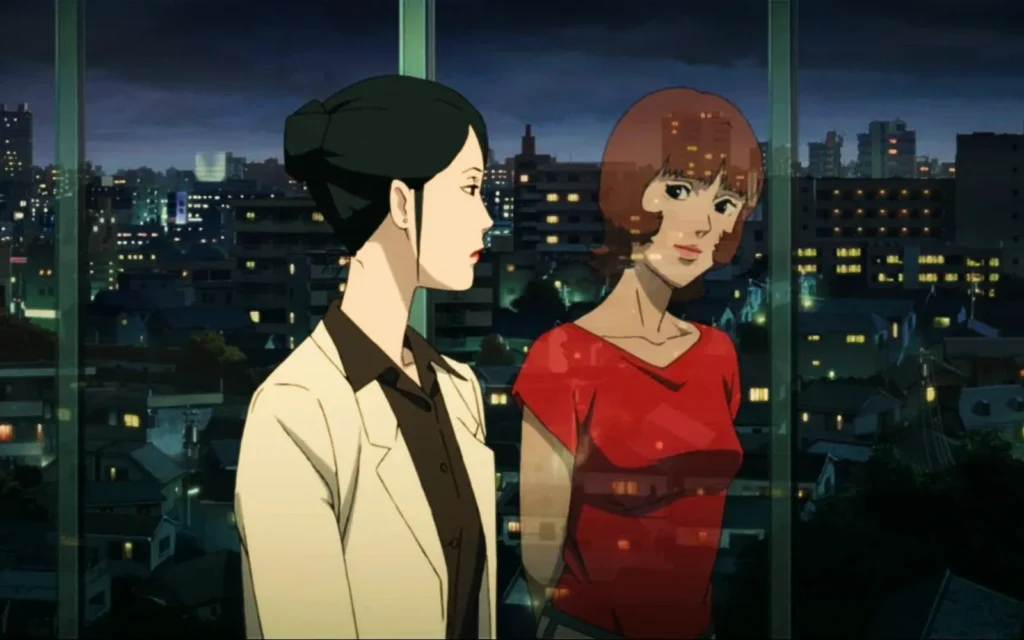
Look at the character dynamics, and you’ll see an even wider gulf. Nolan’s team is defined by technical proficiencies: the Architect, the Forger, the Chemist. They are extensions of their utility. In contrast, Kon anchors Paprika in broken, deeply flawed human neuroses.
Read More: Verity Ending Explained: Why the Letter Is the Only Version You Can Trust
Detective Konakawa Toshimi’s recurring nightmare of a winding hallway and a movie theater isn’t a puzzle box, but an agonizing manifestation of survivor’s guilt and an abandoned artistic passion. Through Paprika’s chaotic interventions, his healing process is messy and unpredictable.
Even Dr. Tokita, the genius behind the DC Mini, acts like an overgrown child completely oblivious to the ethical fallout of his own creation. His obsession reflects a mind that prioritizes raw curiosity over human safety.
By the time we finish the movie, Inception leaves us staring at a spinning top, wondering if the rules of reality still apply. Paprika doesn’t bother with a structural trick at the door. It ends with the dizzying realization that the dreamer and the dream are fundamentally inseparable.
By abandoning the safety rails of logic and embracing the messy irrationality of our deepest fears, Kon created a psychological masterpiece that Inception simply structuralizes out of existence.
You May Also Like:
Add us as a preferred source on Google.