

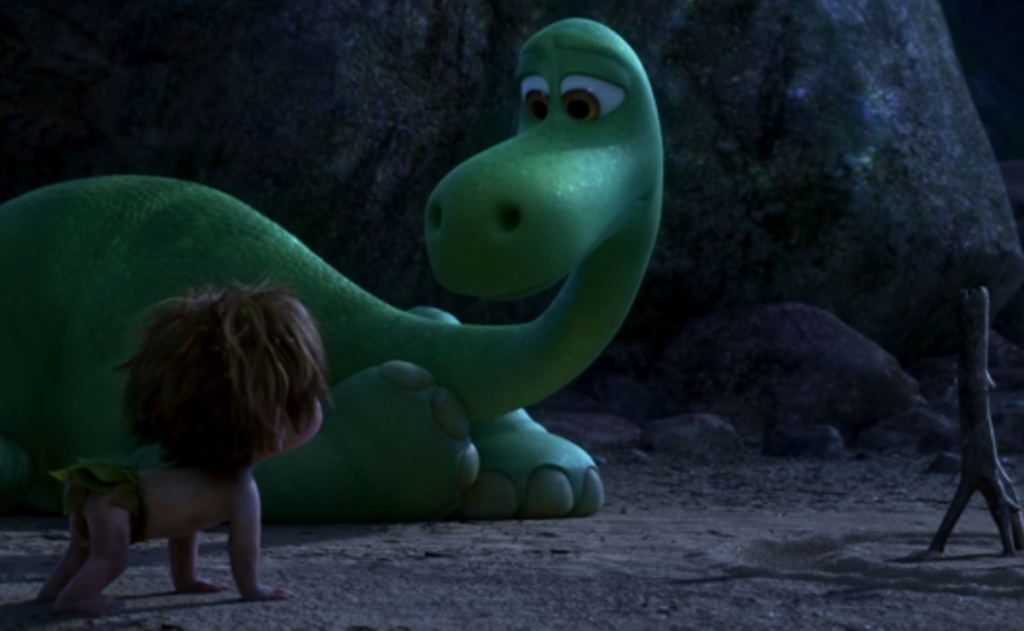
When The Good Dinosaur rolled into theaters in 2015, many wrote it off as Pixar’s first true box office failure. Between a famously turbulent production cycle that swapped directors from Bob Peterson to Peter Sohn and completely overhauled the voice cast late in the game, the cards were heavily stacked against it.
Looking back a decade later, it is easy to see why the film stumbled commercially. However, calling it outright bad completely misses the quiet, raw ambition hiding underneath its rough exterior.
Why The Good Dinosaur Failed at the Box Office And Why It Deserves a Second Look
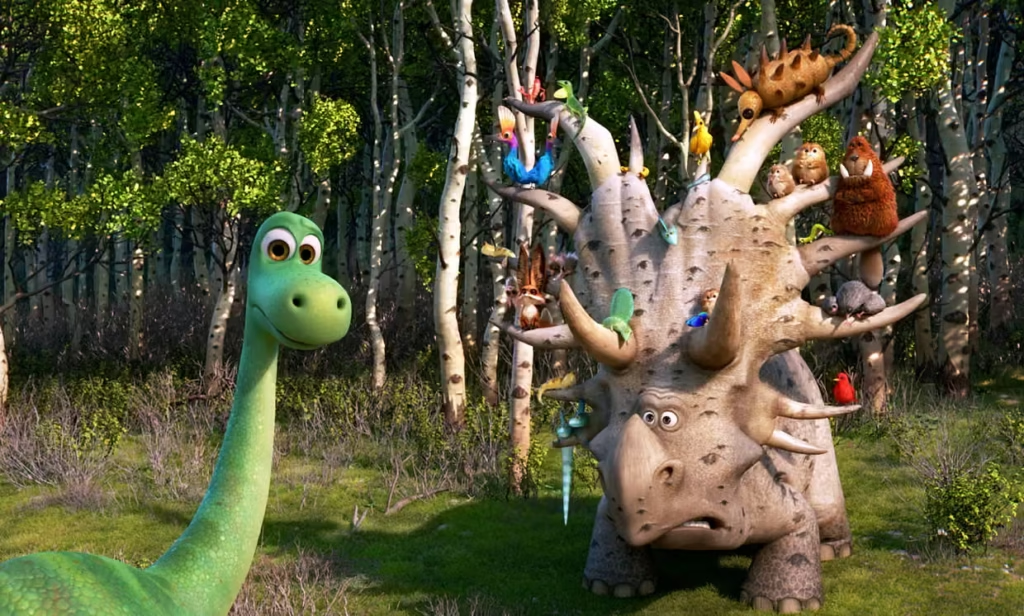
The most common criticism and the one I initially agreed with was the jarring visual whys and wherefores of its design. Putting a cartoonish dinosaur right into a photorealistic, high-definition nature documentary background created an odd aesthetic disconnect. It didn’t possess the seamless world-building unity of Toy Story or Finding Nemo.
On top of that, the baseline plot leaned heavily into a familiar “boy and his dog” role-reversal, where the feral human child Spot acts as the loyal canine companion. Pacing issues didn’t help either; episodic detours like meeting the eccentric Forrest Woodbush felt like narrative speed bumps that halted Arlo’s core journey home to the Clawtooth Mountains.
Despite those structural stumbles, the silent storytelling between Arlo and Spot completely wins me over every time I rewatch it. The scene where Arlo uses sticks in the dirt to explain his father Poppa Henry’s death is a masterclass in emotional communication without dialogue, beautifully mirrored by Spot’s own silent acknowledgment of grief.
Read More: Verity Ending Explained: Why the Letter Is the Only Version You Can Trust
Furthermore, Arlo’s battle against “the big fear” is treated with a rare, visceral grit. Facing genuinely terrifying predators like the Pterodactyl Thunderclap or getting pulled into the harsh, unforgiving realities of nature makes Arlo’s eventual courage feel hard-earned rather than magically scripted.
When Butch the T-Rex rancher (voiced brilliantly by Sam Elliott) teaches Arlo that fear isn’t something to eliminate but something you have to ride through, it gives the story an emotional maturity that sets it apart from safer studio tropes.
The Good Dinosaur remains an uneven survival tale, but it is far from a failure of spirit. Peter Sohn managed to pull a coherent, deeply moving story out of production hell. It might have been a financial disappointment, but its willingness to embrace raw vulnerability makes it a fascinating outlier in the Pixar pantheon that deserves a second look.
You May Also Like:
Add us as a preferred source on Google.