

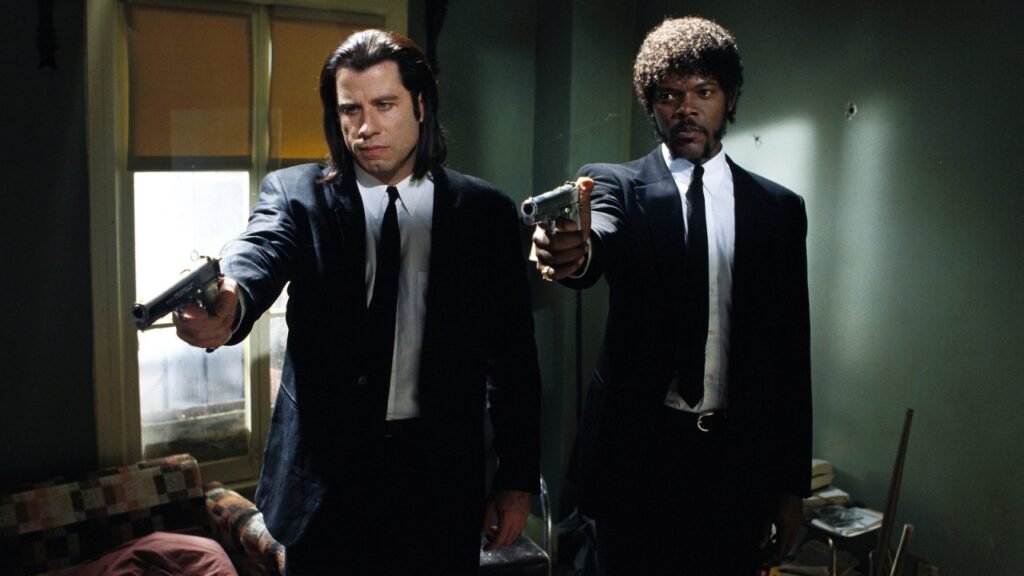
The briefcase in Pulp Fiction is one of cinema’s most famous unsolved mysteries, and Quentin Tarantino has never once given a straight answer. Whatever’s inside it glows gold, makes grown men gasp, and is apparently worth killing and dying for, and that’s all we’re ever officially told.
Tarantino and co-writer Roger Avary have both gone on record saying the briefcase is a deliberate MacGuffin, a plot device designed to move characters rather than carry meaning. But that hasn’t stopped three decades of fans from digging for the real answer.
The Theory Everyone Knows: It’s Marsellus Wallace’s Soul
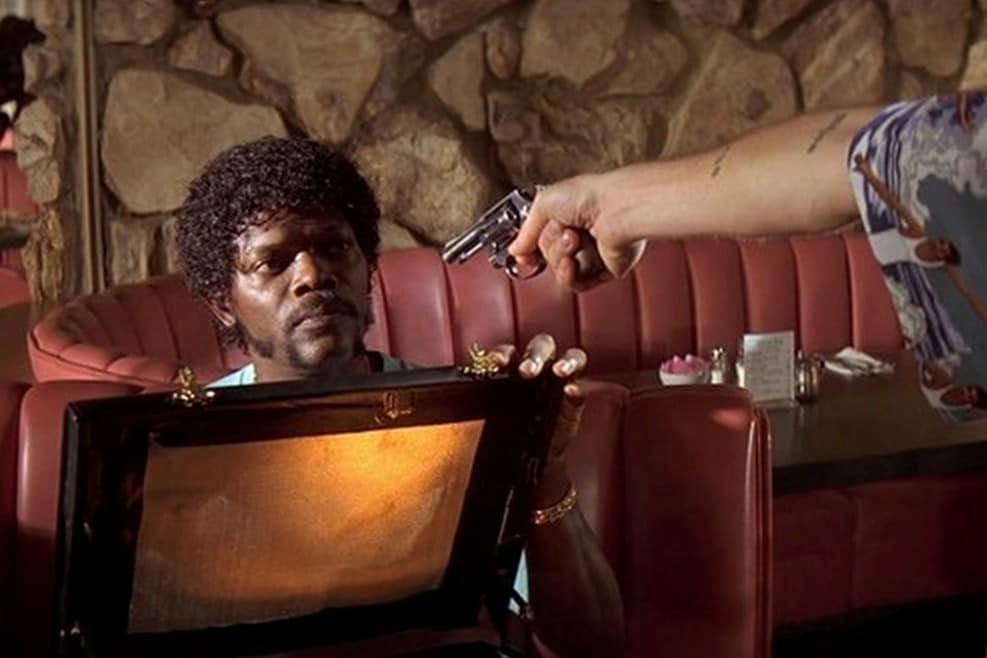
This is the one that won’t die. The argument is that Wallace sold his soul to the devil at some point before the film, and the briefcase is the vessel holding it. The combination is 666. The glow emanates from inside, with no visible light source.
And when Jules and Vincent retrieve it, the henchman who hid it in the bathroom shoots at them point-blank multiple times and misses every shot, which Jules immediately reads as divine intervention.
The soul theory also ties into the Band-Aid on the back of Wallace’s neck. In folklore, the devil extracts a soul through the back of the neck. It’s a stretch, sure, but the Band-Aid is conspicuously placed and never explained.
What sells this theory isn’t any single clue, but the reaction. Every character who looks inside the case gets the same expression: awe, relief, hunger. Whatever’s in there feels transcendent. Gold bars or diamonds don’t make people look like that.
The Competing Theories (And Why They Fall Short)
The more grounded camp argues the briefcase contains diamonds, nodding to Tarantino’s debut Reservoir Dogs, where a diamond heist drives the whole plot. It would connect the two films and keep things firmly in gangster logic. The problem is the glow. Diamonds don’t glow.
A variation suggests it’s simply cash, an enormous, almost mythic amount. Clean, untraceable, and reason enough for everyone in the film to behave the way they do. This is the most literal reading and the least satisfying one.
There’s also a theory that the briefcase holds a nuclear device, inspired by the 1955 noir Kiss Me Deadly, in which a glowing MacGuffin briefcase turns out to be a radioactive “great whatsit.”
Tarantino is famously well-read in cinema, and the visual parallel is hard to ignore. But a nuke in a Miramax crime film from 1994 is a tonal stretch that even the most committed theorists struggle to defend.
What Tarantino Actually Says
In multiple interviews, Tarantino has described the briefcase as whatever the audience needs it to be. He and Avary chose not to show the contents precisely because a real answer would be smaller than the imagination. The glow, the combination, the reactions were all designed to let viewers project.
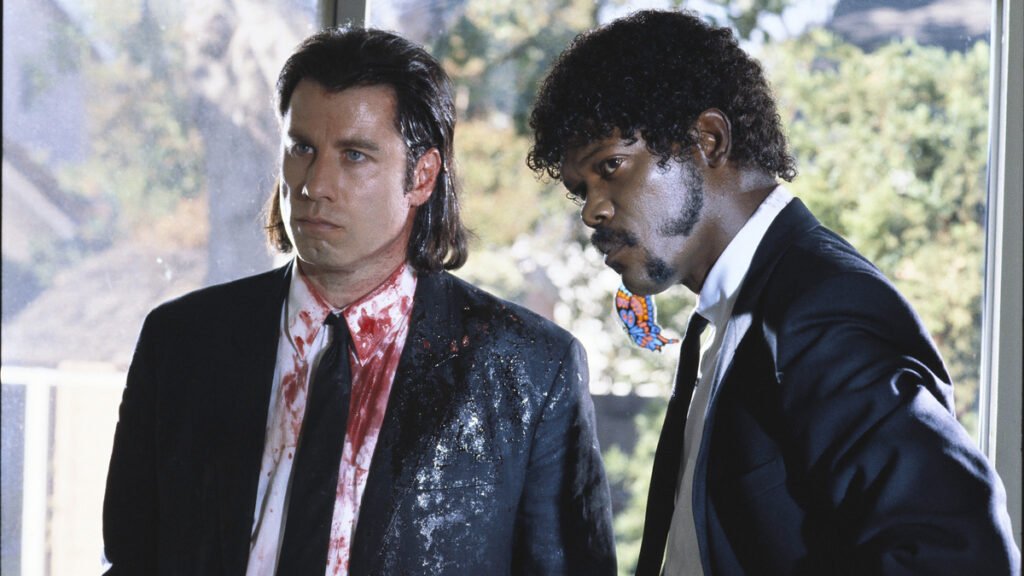
That’s not a cop-out, it’s the point. The briefcase works because it functions differently for every character. For Jules, it triggers a spiritual crisis. For Vincent, it’s just the job. For Brett, it’s the last thing he ever sees. The object reveals character, not content.
The soul theory resonates because it matches the film’s deeper obsession with fate, redemption, and whether a man can change. Jules’s arc is entirely built on the idea that something bigger is operating in his life. The briefcase, whatever it holds, is the catalyst.
You May Also Like:
Add us as a preferred source on Google.
[…] Read More: What’s in the Briefcase in Pulp Fiction? […]