

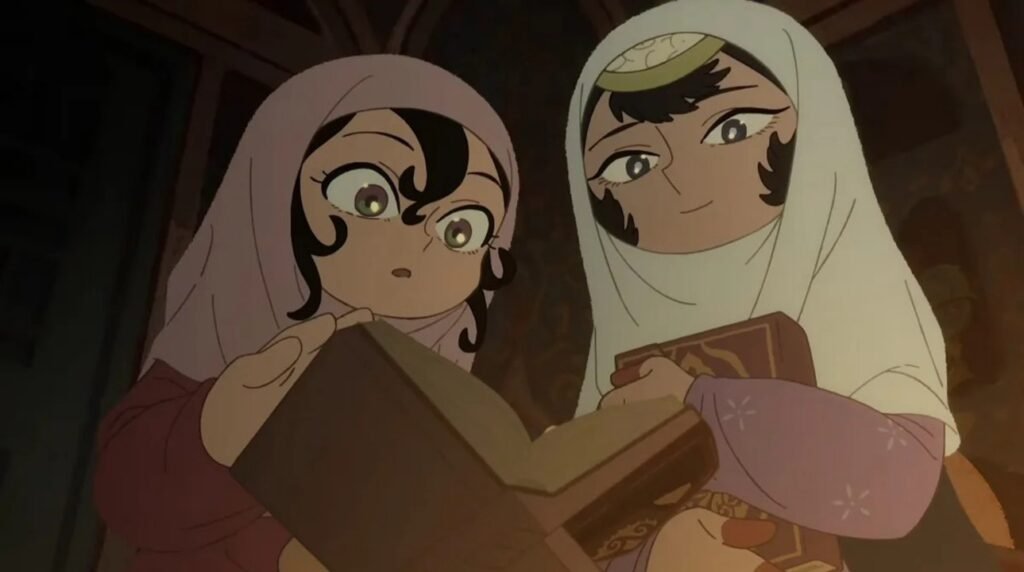
Jaadugar: A Witch in Mongolia started streaming on July 4 and within a week it had become the most talked about anime of the summer season. Not because of flashy action or a viral moment. Because it is genuinely doing something that almost no other anime is doing right now and doing it at a level that is difficult to argue with.
This is Science SARU at their most ambitious and the fact that it is not leading every conversation this season says more about anime discourse than it does about the show.
A 13th Century Slave Girl and the Weight of Knowledge
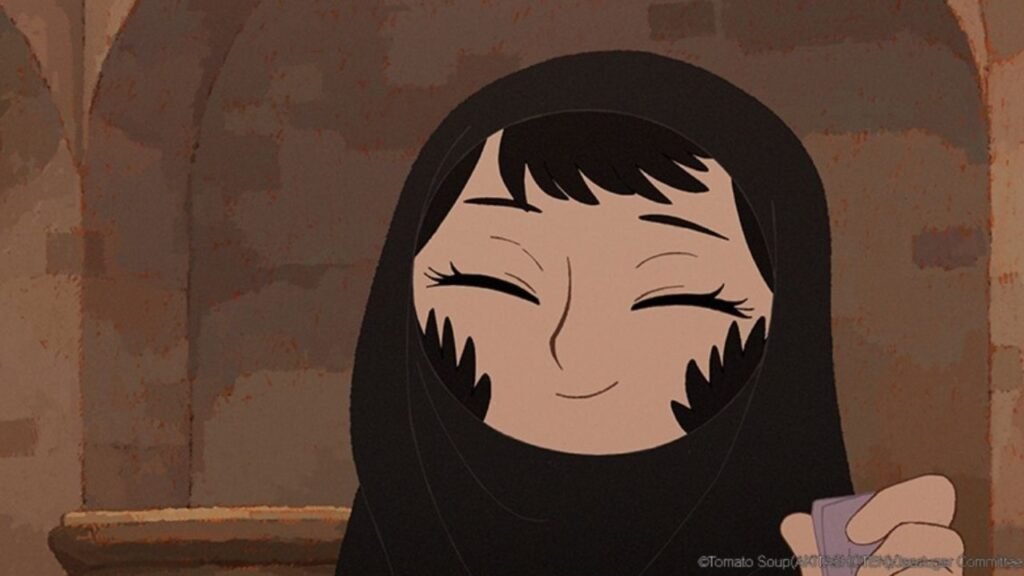
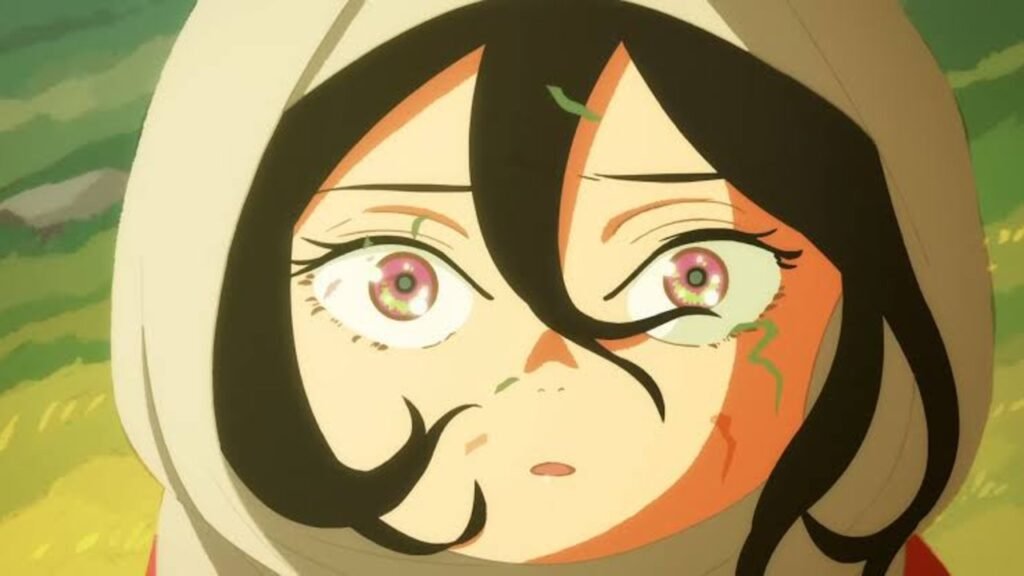
The story follows Sitara, a young girl sold into slavery in the 13th century slave markets of Iran, torn from her mother and left with nothing. She is taken in by Fatima and her family of scholars in the city of Tus, and what starts as servitude slowly becomes something far more complicated when Fatima and her household decide to educate her.
Sitara is not a passive character. She overflows with spunk and defiance in a situation that would break most people, and that tension between her circumstances and her personality is where the show lives.
Then the Mongol Empire arrives. Tolui’s army descends on Tus, Sitara’s master is killed defending her, and Fatima is taken into captivity. The first two episodes cover all of this in under an hour and waste none of it. There is a natural flow to the storytelling that feels completely unhurried despite the amount of ground it covers, which is a directing credit that belongs to chief director Naoko Yamada, the person behind A Silent Voice and K-On, and episode director Abel Gongora who previously handled Scott Pilgrim Takes Off and Dandadan.
The historical context runs deeper than most viewers will initially catch. Jaadugar A Witch in Mongolia is set during the end of the Islamic Golden Age, a period when mathematics, science and the arts were thriving across the Middle East right before the Mongol conquests tore through it.
The show is not shy about that history. Real historical figures are woven into the cast and the manga itself won the Grand Prix at the 55th Japan Cartoonists Association Awards. This is serious historical fiction wearing an approachable art style.
The Animation That Should Not Work But Absolutely Does
Science SARU made a decision with Jaadugar A Witch in Mongolia that is going to confuse people at first glance. The animation style is soft, rounded, almost cartoonish. Character designer Kenichi Yoshida built the visual language around Tomato Soup’s original manga art, which leans into an illustrative fairy tale charm that looks nothing like what you expect from a prestige historical drama.
That contrast is entirely intentional and it works in a way that is hard to explain until you are three episodes in.
The pastel colors and gentle character designs create a softness that makes the violence and brutality of what is actually happening hit harder than it would in a more conventionally realistic style. When something terrible happens to Sitara the visual warmth around her makes it worse not better. Science SARU understood that and built the whole visual language around it.
Anime News Network called it beautifully animated and brilliantly directed from episode one. But Why Tho went further and called it extraordinary, describing the first two episodes as gorgeous, harrowing, gut-wrenching and uncomfortable.
Lost in Anime noted that even with its flaws, which mostly center on how the show handles the historical reality of slavery, Jaadugar A Witch in Mongolia is a serious work about serious things and we are not lucky enough as anime fans to throw away a show like this over imperfections.
That last point is worth sitting with. The show does not entirely escape the good slavery versus bad slavery framing in its early episodes, which is a real criticism and a fair one. By episode three it starts moving past that as a central pillar and the things it is doing well become much easier to appreciate without that friction in the way.
Why This Is the Anime of the Summer
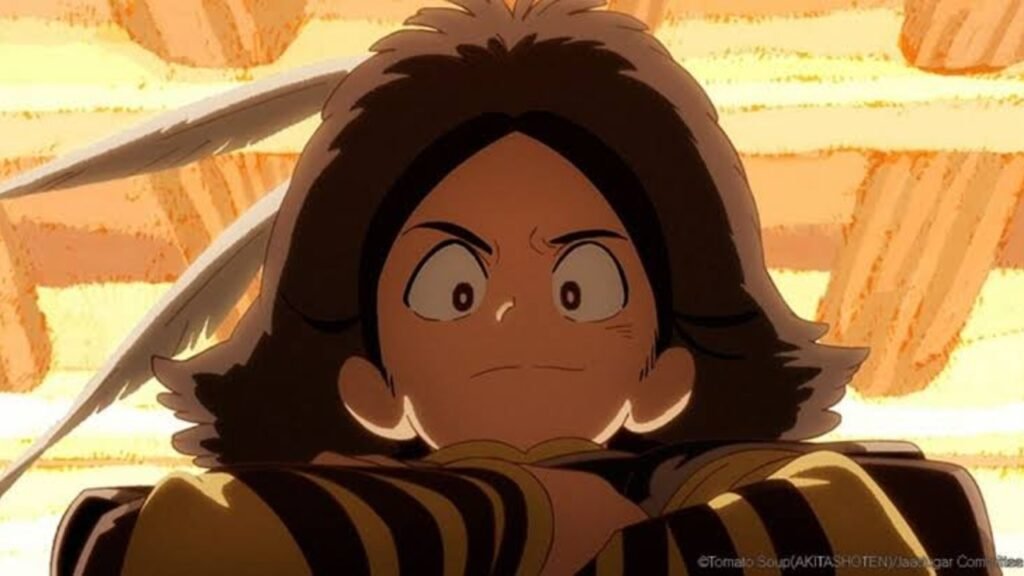
Jaadugar A Witch in Mongolia was selected for competition at the Annecy International Animation Festival. It centers on a culture and a historical period that almost never gets represented in anime or any easily accessible western media.
It has a female protagonist who is genuinely compelling without being defined by her victimhood. It is directed by two of the most exciting names working in animation right now. And it is being produced by Science SARU, a studio that has not made a single project worth ignoring.
This is not an easy watch. It opens on young girls being sold and does not soften that. But it earns every difficult moment it asks you to sit through and the payoff of watching Sitara move through this world with her intelligence and her stubbornness intact is the whole point.
Jaadugar A Witch in Mongolia streams weekly on Crunchyroll. Do not sleep on it.
You May Also Like:
Add us as a preferred source on Google.
[…] Related Stories Jaadugar: A Witch in Mongolia Review: Why Science SARU’s New Anime Is a Masterpiece […]