
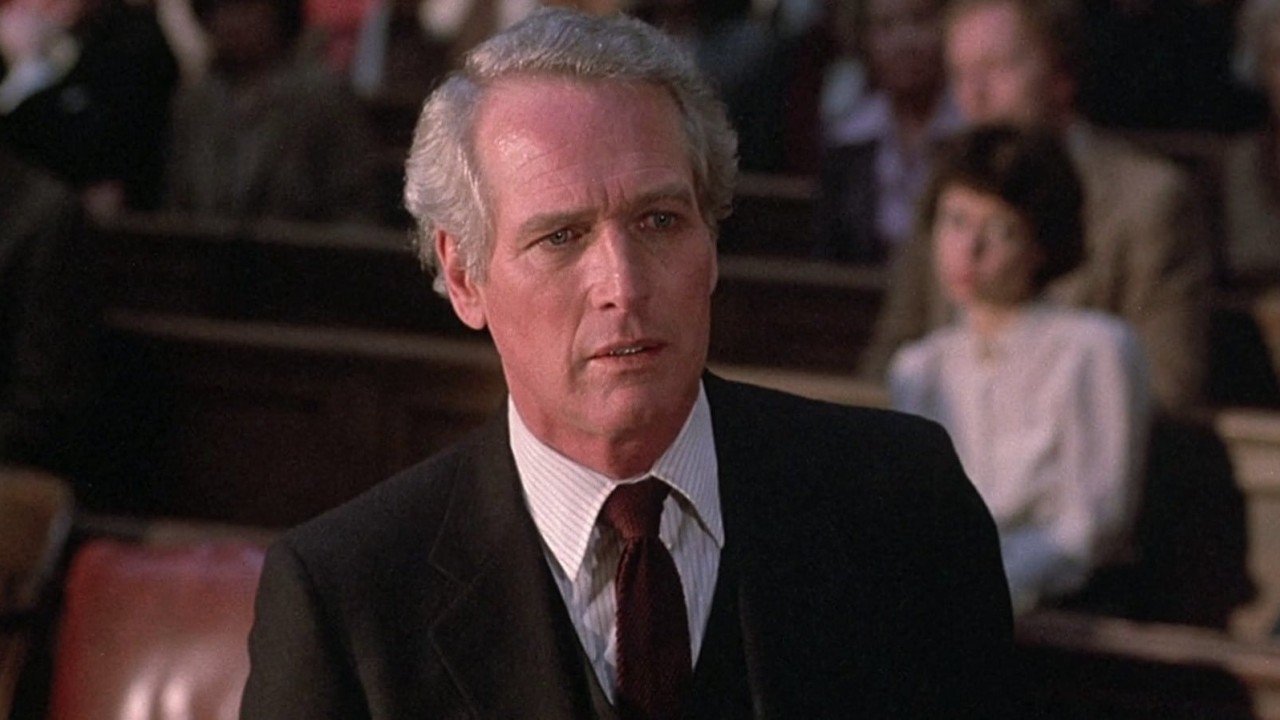
Paul Newman spent fifty years being one of the most recognizable faces on the planet and never once seemed particularly impressed by it. That combination, the blue eyes, the movie star status, the complete indifference to what came with it, is what makes him genuinely interesting to think about even now.
A Man Who Ran Away From One Business and Stumbled into Another
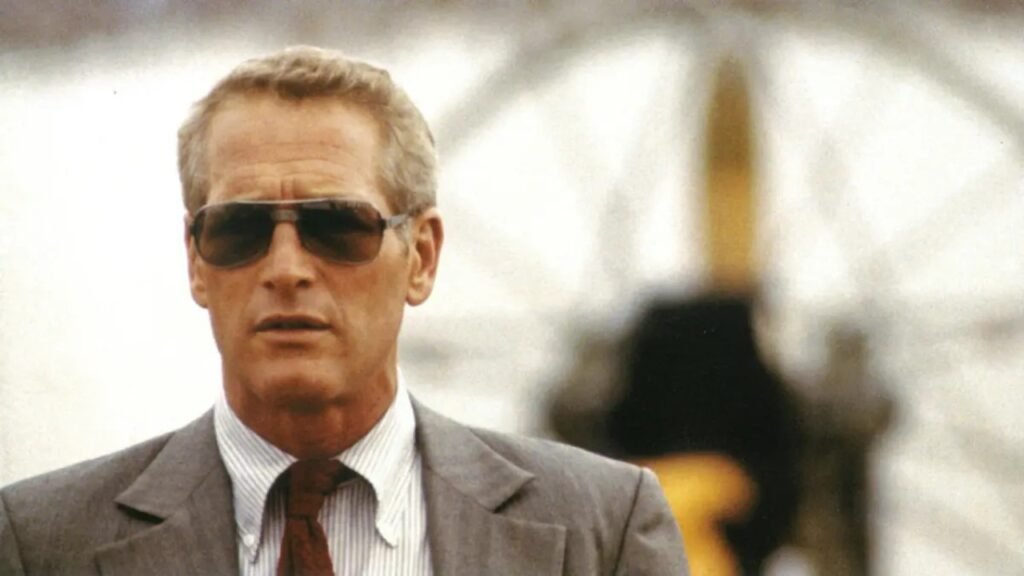
Newman has said himself that he was not driven to acting by any inner compulsion. He was running away from his family’s sporting goods store in Cleveland. He ended up at Yale School of Drama, then the Actors Studio in New York, and then somehow became one of the defining faces of Hollywood for five decades. Cool Hand Luke. The Hustler. Butch Cassidy and the Sundance Kid. The Color of Money, which finally got him his Oscar after so many losses that he once joked the Academy had it out for him specifically.
The thing about Newman that is hard to explain is that none of it seemed to change how he saw himself. He said he had no natural gift for anything, not acting, not directing, not writing, not painting garden porches. Nothing came easily to him. So he worked. That is the whole explanation he ever offered for his career.
The smile that comes from nowhere except a command
In his posthumous memoir, The Extraordinary Life of an Ordinary Man, Newman described what it actually felt like to walk red carpets and have cameras pointed at him.
“Smiling for the cameras is a smile that doesn’t come from anywhere except a command,” he wrote. “There’s no mirth in it.”
He described walking up the stairs at Cannes with the Star Wars theme blasting at earsplitting volume and having a moment of thinking they should do this for him once a day, just to get his confidence back. He was aware of the absurdity of all of it and never pretended otherwise.
He said he got a very unfortunate view of the press. That about five percent of what was written about him was accurate. That he was not comfortable with photographers, and they were not comfortable with him. He described himself as wary rather than aloof, a distinction that says a lot about how carefully he considered the difference.
What he seemed to respect was Brando, specifically because Brando was the first actor to break away from what everyone considered necessary. Newman admired that someone had looked at the whole system and decided the rules were foolish and sappy and did not apply to him.
Rather than court celebrity, Newman built Newman’s Own, a food company that donated every dollar of profit to charity. He got into it as a joke, he said, and then the business got a mind of its own. By the end of his life, his salad dressing was outselling his films, which he found genuinely embarrassing.
He gave away over $500 million through it. He started the SeriousFun Children’s Network for kids with serious illnesses. He raced cars competitively and won national championships in the Sports Car Club of America road racing. He got onto Nixon’s enemies list and called it the highest single honor he had ever received.
When asked how he wanted to be remembered, he did not mention any of his films by name. He said he would like to be remembered as a guy who tried. He tried to be part of his times, tried to help people communicate with each other, tried to find some decency in his own life. Someone who did not cop out.
“I would like it if people would think that beyond Newman, there’s a spirit that takes action, a heart, and a talent that doesn’t come from my blue eyes,” he once said.
He died in September 2008 at the age of 83. The eyes were still blue.