
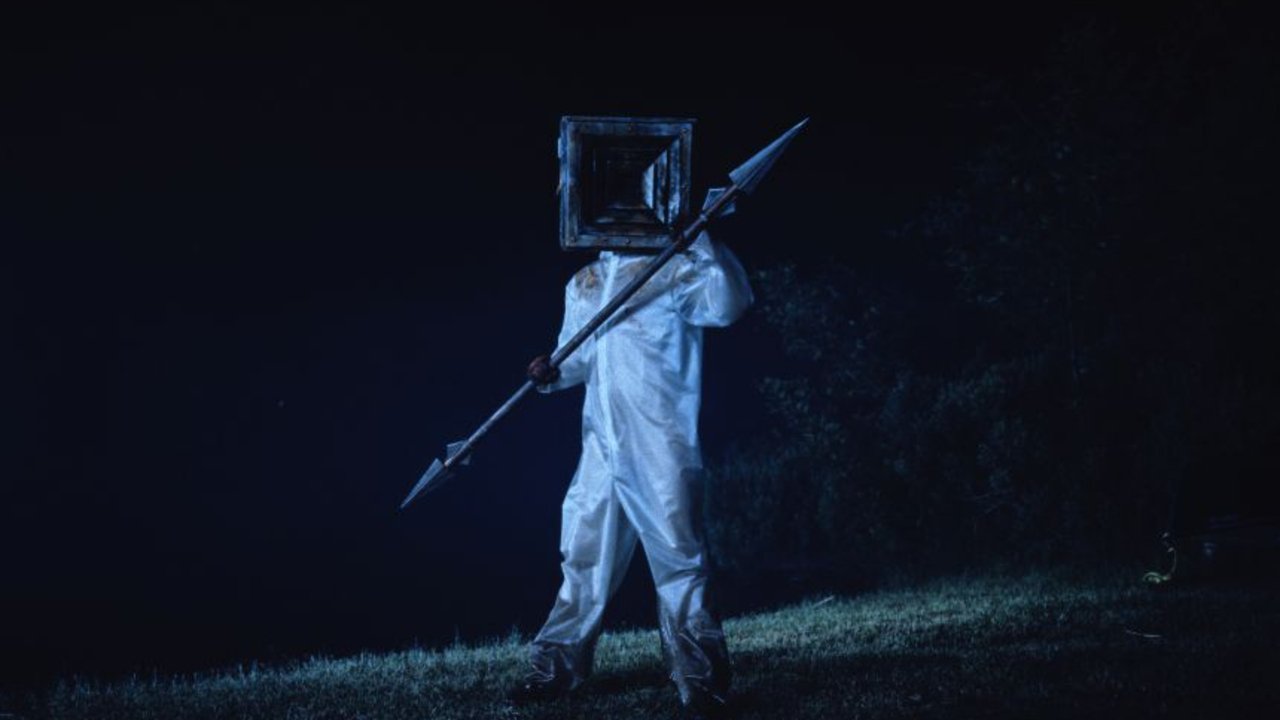
Jane Schoenbrun’s 2026 horror film, Teenage Sex and Death at Camp Miasma, builds much of its fictional history around Camp Miasma, a long-running slasher franchise that deliberately echoes the conventions of classic horror. At the center of that mythology is Little Death, the drowned figure whose story gives the fictional series its most unsettling ideas about gender, sexuality, trauma and the way horror turns outsiders into monsters.
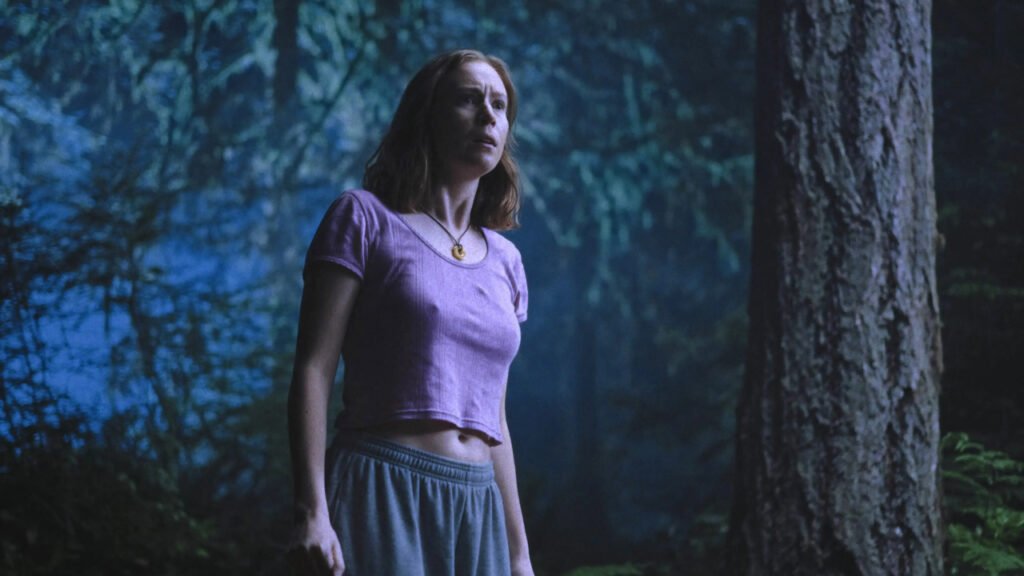
Little Death is designed to look like a familiar slasher villain at first, but the character becomes considerably more complicated as Kris, played by Hannah Einbinder, digs deeper into the history of the original Camp Miasma movie. The killer is both a product of the genre’s most problematic traditions and a way for Schoenbrun to question those traditions.
The Tragic Origin And Meaning Of Little Death
Within the fictional Camp Miasma mythology, Little Death is the vengeful spirit of a child who was raised by their parents as both a boy and a girl. The child becomes the target of cruel campers because of their gender identity and is eventually drowned in the lake surrounding the camp. The death is then buried along with the truth about what happened.
Little Death eventually returns from the lake as a supernatural killer, targeting people who enter the camp grounds. The origin immediately connects the character to a long tradition of horror villains whose supposed difference is used to explain their violence. Schoenbrun turns that convention into part of the film’s larger examination of how older horror movies portrayed gender nonconformity.
The character’s physical design reinforces the connection to the lake. Little Death is presented as a drowned figure who never completely returned to the world of the living, stalking the camp in a camper’s uniform covered in plastic. Rather than relying on the familiar hockey mask associated with Jason Voorhees, the character has a stranger and more unsettling appearance that emphasizes the circumstances of their death.
Related: What Is Camp Miasma? The In-Universe Horror Series Explained
Little Death’s weapon is a double-bladed spear, which gives the character another distinctive visual element while keeping the exaggerated physicality expected from a classic slasher.
What makes the character especially interesting is the way Teenage Sex and Death at Camp Miasma treats the original franchise itself. Kris is a devoted fan of Camp Miasma, but she also recognizes that its mythology contains deeply uncomfortable ideas about gender.
The original movies effectively turn a gender-nonconforming child into a supernatural monster, reflecting a broader history of horror using gender and sexual difference as shorthand for danger.
That criticism connects Little Death to films such as Psycho and The Silence of the Lambs, which have long been discussed for the ways their villains intersect with perceptions of gender identity and gender nonconformity.
Schoenbrun does not simply repeat those conventions. The film places them inside a fictional franchise so Kris can confront the complicated relationship between loving a piece of media and recognizing the harmful ideas embedded within it.
Even the name Little Death carries another layer of meaning. The phrase comes from the French la petite mort, commonly used as a euphemism for orgasm. That connection makes the killer’s name particularly significant in a film that links horror with sexual awakening and the complicated process of understanding one’s own identity.
For Kris, Camp Miasma is therefore more than an old slasher franchise. Little Death represents the way horror can simultaneously frighten, fascinate and shape the people who grow up watching it. The character embodies the uglier ideas inherited from older genre movies while also becoming part of Schoenbrun’s exploration of desire, identity and the possibility of finding something meaningful inside the very stories that once made you feel like an outsider.