


Jeremy Latcham can get a new nameplate in an afternoon. Repairing DC Studios will require considerably more than a screwdriver and a Marvel employee discount. When he starts Dec. 1, he inherits a screen universe whose fans have repeatedly watched corporate decisions interrupt stories they had already paid to follow.
Part 1 traced how that confidence cracked.
This installment considers what the incoming president and chief creative officer should do about it. His official DC Studios responsibilities cover film, television and animation. He reports to Dana Goldberg and Josh Greenstein. Trust will depend on decisions across that structure.
Jeremy Latcham should begin by making DC’s commitments understandable, then demonstrate that his bosses intend to honor them. A cinematic universe needs enough stability for viewers to care about what happens next. Even the Flash eventually gets tired of somebody moving the finish line.
Publish an honest account of the inherited slate
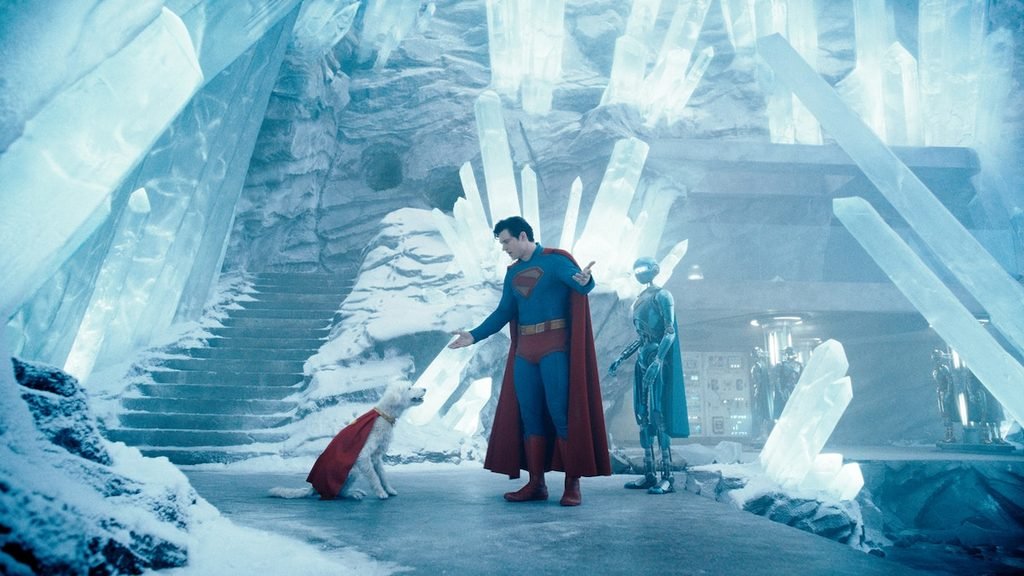
Before another presentation promises the moon, Jeremy Latcham should explain what is already on the launchpad. A project being discussed, a commissioned screenplay, and a film in post-production represent different commitments. DC should describe those stages plainly, with announcements that identify the work completed and the decisions still ahead.
The original “Gods and Monsters” slate introduced 10 projects in January 2023. An audience should now be able to find an authoritative update on each. If development continues, explain that. If priorities change, say so. Allowing an announced title to linger indefinitely invites rumor merchants to rent out its empty office.
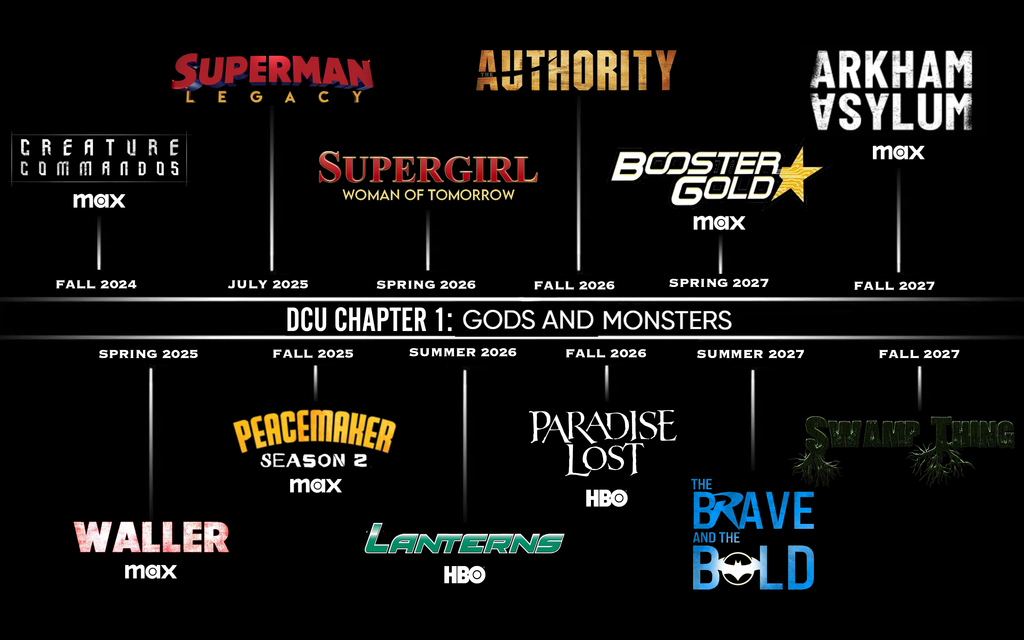
Jeremy Latcham should ask the same questions of every project, regardless of who commissioned it.
- Does the story work?
- Can the team deliver it at a sensible cost?
- Does its place in the universe make sense?
An inherited project deserves an honest review, with its actual strengths and problems guiding the decision. A new boss needs better criteria than checking the signature on the original approval.
Jeremy Latcham also needs to resolve television’s practical questions. Which series have production commitments, distribution arrangements, or renewal decisions pending? An audience cannot follow an interconnected universe when the studio leaves its availability to detective work.
Reporting requires precision here, too. The Wrap describes an internal push toward Justice League headliners. The official appointment announcement gives Latcham broad responsibilities. A reported priority and a publicly greenlit film remain different things. His own communications should make that distinction unmistakable.
Give the next Superman film a fair chance
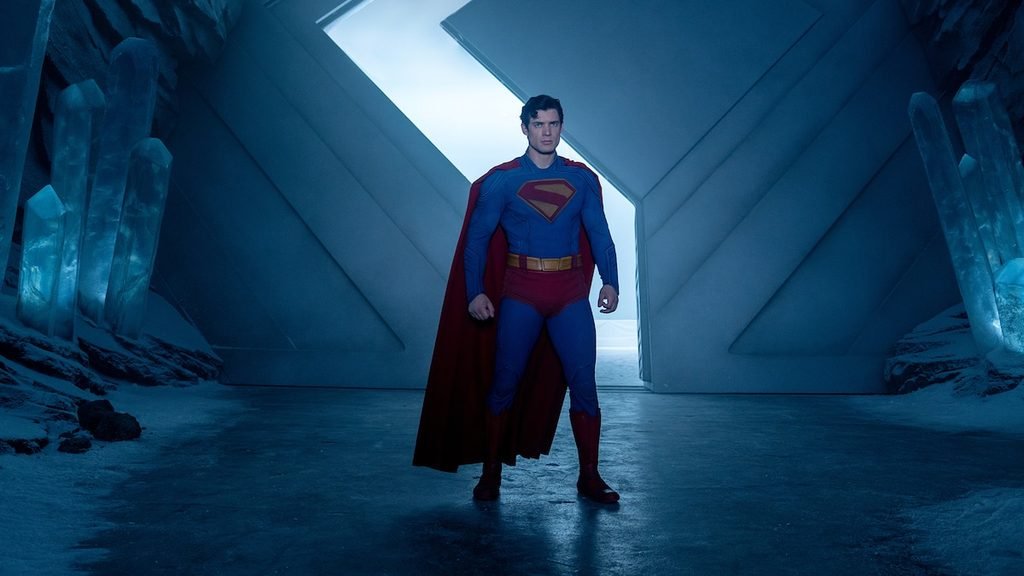
James Gunn remains the writer-director of “Man of Tomorrow,” with Peter Safran producing alongside him. Skydance lists July 9, 2027, as its release date. Jeremy Latcham should judge the film on the work and give its release a clear message about what it offers audiences.
That starts with refusing to treat every rumor as an announcement. In November, Gunn rejected reports of sweeping changes, saying:
“No one from Skydance has even seen the movie”
That statement described the situation at the time he posted it. It cannot predict every subsequent creative discussion. Following the DC leadership change NSN covered, the immediate problem was a rumor outrunning the facts. The studio can reduce that confusion with timely, specific information.
Jeremy Latcham should also protect the audience’s investment in Clark and Lex. A satisfying installment needs its own dramatic resolution, even when another adventure follows. Superman deserves a completed emotional journey before the studio starts selling seats for his next one.
The same clarity should apply to separate continuities. DC already has an Elseworlds framework. Clear branding can tell a casual viewer what connects without making them research the multiverse between ordering tickets and finding parking. It’s just too bad that clear branding won’t create continuity.
Matt Reeves’ Batman would be so dope in the DCU.
Build relationships that make a Justice League necessary

Getting Batman, Superman and Wonder Woman onto a poster is the easy part. Jeremy Latcham needs filmmakers who understand why those three would argue, what each could learn from the others, and why they would ultimately choose to stand together.
- Superman brings extraordinary power constrained by compassion.
- Batman brings preparation sharpened by grief, along with a healthy suspicion of anyone claiming unlimited authority.
- Wonder Woman brings a warrior’s experience and an obligation to seek peace. Their disagreements should reveal those convictions.
If everyone sounds like the same sarcastic screenwriter, three costumes are doing the work of three characters.
DC’s “JLA: Year One” explores trust among Flash, Green Lantern, Black Canary, Martian Manhunter and Aquaman. Jeremy Latcham could borrow its attention to relationships without copying its roster or plot. A team earns meaning when people choose cooperation despite credible reasons to hesitate.
Darwyn Cooke’s “DC: The New Frontier” offers another model. Its heroes confront a society’s divisions before coming together against a shared threat. Their alliance answers the story’s human problems as well as its monstrous ones.
A future League should give moviegoers that feeling of arrival. Another portal and seven expensive silhouettes will have to work harder than they did a decade ago. Darkseid can wait while somebody writes a conversation worth overhearing in the Watchtower.
Does anyone remember when Ava DuVernay was going to create Jack Kirby’s signature piece “New Gods“? There’s still room for Darkseid to come to the screen full-time. Surely Jeremy Latcham can consider that?
Divine inspiration and allowing the characters to set the tone

Jeremy Latcham should resist treating every film’s reception as an instruction to repaint the entire universe. Gotham can support dread and corruption. Superman can inspire hope without pretending cruelty does not exist. Swamp Thing can terrify an audience while asking what humanity means.
Those differences give DC range. Contiitould p to be humanreserve consequences and recognizable characterization across that range. A successful horror film need not sentence every subsequent superhero to two hours in a rain machine.
Latcham has spoken about audiences wanting inspiration. “I think people do want inspiring movies”
His Christian faith may inform that interest. The films still need to dramatize what inspiration costs. Clark’s compassion becomes compelling when anger would be easier. Diana’s moral courage matters when peace requires sacrifice. Bruce’s restraint means something when vengeance offers immediate satisfaction.
Jeremy Latcham can encourage stories that test those choices while preserving room for different audiences. A family adventure, a crime drama, and an adult horror film need clear expectations and appropriate budgets. A rating tells parents something useful. It cannot write a character arc.
Jim Lee and DC’s publishing creators should have a meaningful voice in those discussions. They can help filmmakers identify what makes a character endure through changes in costume, continuity, and cultural mood. Give the people who know the source material a chair before the emergency meeting about the third act.
Make scripts and budgets that tell the same story

Gunn advocated finishing scripts before production when he introduced his DC plans. Jeremy Latcham should preserve that principle and make its application visible through sensible production decisions. A leadership change should not require the ceremonial burning of every useful idea left on the desk.
Before a greenlight, the studio should establish what the movie promises, how its ending delivers on that promise, and what it will cost to execute. Creative development can expose weak motivations while changes remain relatively inexpensive. Discovering them after a major action sequence has been shot creates a much less entertaining rescue mission.
Jeremy Latcham also needs financial expectations suited to each project. A focused horror story and a worldwide Justice League event carry different costs and different potential audiences. Gross ticket sales alone cannot explain profitability. Production, marketing, theatrical revenue splits, and later distribution all affect the calculation.
Skydance’s leaders must support that discipline when a release date becomes inconvenient. They control resources and corporate expectations. Sending Latcham downstairs to explain another reversal while the executives upstairs approve it would merely give the old problem a different messenger.
A coherent studio also needs films that welcome occasional viewers. Connections can enrich a story, but its central conflict must remain understandable to the person who missed a streaming series. Moviegoing should leave room for dessert afterward instead of remedial homework.
Give fans commitments they can check

Jeremy Latcham could make his opening months useful with an editorially proposed sequence.
- Within 30 days, establish an internal assessment of projects, commitments, and creative needs.
- By roughly 90 days, communicate the decisions that affect audiences, including what continues and what has changed.
- During the first year, demonstrate that production choices follow the standards he announces.
Those are suggested benchmarks. Skydance has announced no such timetable. Their purpose is to make trust observable through ordinary actions, including correcting mistakes, explaining delays, and honoring commitments that remain viable.
The company’s own announcement sets a relevant expectation. Goldberg and Greenstein say projects should pass “from start to finish through the prism of the legions of fans who love and champion it.” Listening should reach beyond whichever faction makes the most noise that afternoon.
Snyder acolytes and Gunn loyalists can make valid criticisms. Neither group should receive a permanent veto over everybody else’s DC experience. The audience should be able to enjoy a Superman film without being presented with a filmmaker’s campaign button at the concession stand.
Jeremy Latcham earns credibility by making good decisions and staying accountable for them. His bosses earn it by allowing those decisions to survive the next quarterly conversation. The Hall of Justice needs foundations that hold when somebody changes the furniture upstairs.
That would give fans a reason to remember the new name on the door.
Add us as a preferred source on Google.