

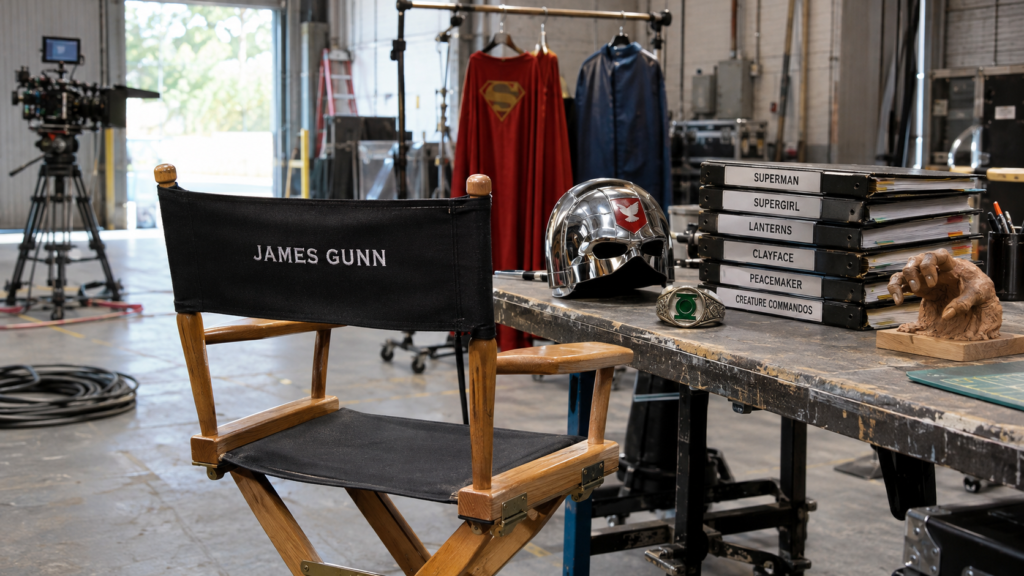
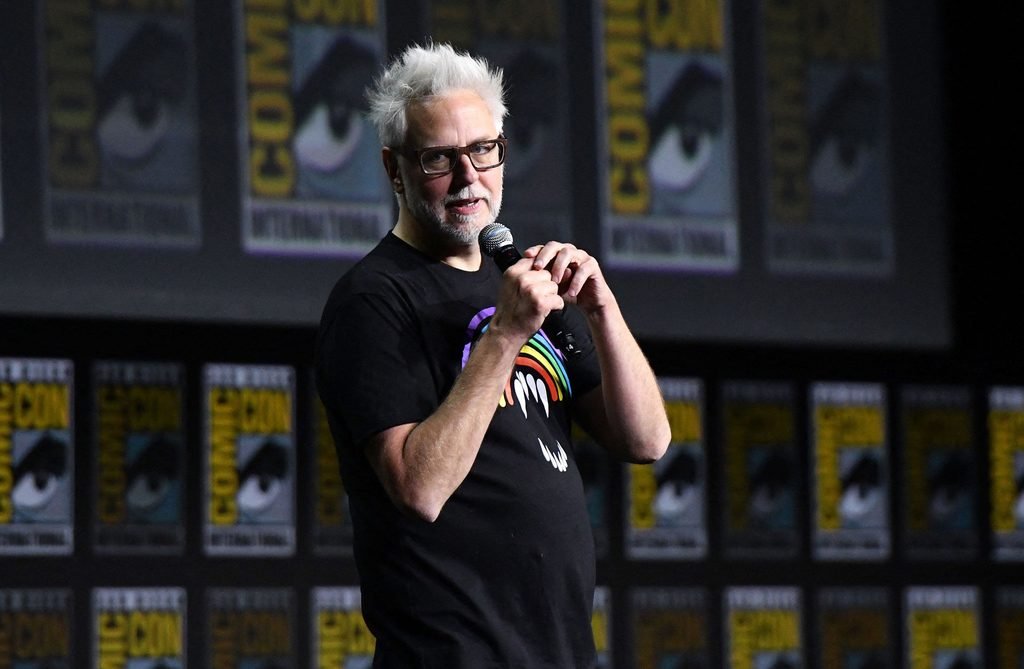
After almost four lackluster years, James Gunn is out as a leader of DC Studios. Peter Safran is leaving the executive suite with him, and the universe they were hired to rebuild has barely finished introducing itself. Skydance announced Nov. 9 that Jeremy Latcham will take over as president and chief creative officer on Dec. 1. With only three films from their new continuity released, a decent animated series, and a couple of “Huh?!” projects on the horizon, DC’s architects are surrendering the blueprints.
There is an important distinction beneath that sonic boom. James Gunn and Peter Safran are returning to creative work, including “Man of Tomorrow,” rather than being banished to the Phantom Zone. Their departure from leadership also does not, by itself, announce another continuity reboot. Yet fans knew that there was not a single post-credits scene to show for the storyline.
But for DC fans repeatedly asked to believe that “this time the plan would stick,” the news lands with all the reassurance of a flashing red light inside the Fortress of Solitude. A true fart-and-fall-down moment for the dunderheads at Warner Bros. if ever there was one.
You know? Again?!
The timing is extraordinary. Paramount completed its acquisition of Warner Bros. Discovery on Oct. 6, creating the combined company called Skydance. A little over a month later, the new ownership has changed the people running DC’s screen operation. Even Brainiac might request an organizational chart for that corporate machinery.
Skydance Chairman and CEO David Ellison and co-CEO Ynon Kreiz framed the handover in their official press release as a continuation of work they value, saying they would be “doubling down on our commitment to fans.” Well, that’s sweet. No one believes that as far as they can smoke it, but DC fans everywhere aren’t taking that bet.
“James and Peter launched a new era for DC Studios and led it through a period of real transformation, resetting the foundation and building a slate we’re incredibly proud of. We’re grateful for their passion, contributions and commitment to this legendary brand. Jeremy has been a longtime creative partner to both of them, and we have complete confidence that James and Peter will ensure a smooth, collaborative transition and continue this work with care. We look forward to working with Jeremy to build the next generation of DC storytelling and to doubling down on our commitment to fans.”
Their announcement thanked James Gunn and Peter Safran and emphasized “a collaborative transition.” That is the company’s public position; it does not establish what happened behind closed doors. But it does give fans a promise to hold the new owners to. A commitment to fans should outlast the next earnings call.
Gunn’s own goodbye supplied a more personal explanation. In his Instagram statement, he wrote: “I dislike the at-times corporate nature of the job (thanks to Peter for taking the brunt of that).”
He described four years without the breaks filmmaking had previously allowed, the cost to his loved ones and the difficulty of dividing his attention among projects and executive obligations. He also expressed relief at returning to filmmaking, confirmed another DC writing assignment and said the characters they introduced would continue.
This was a farewell to the executive chair, with creative work still on the desk. And if that “other DC writing assignment” is Gorilla Grodd, well…Skydance should shelve that with “Batgirl.” And we all saw how that turned out.
That distinction gives the upheaval a sharper edge. A filmmaker who could make audiences care about Rocket Raccoon found the corporate side exhausting. Running the Watchtower requires a different set of powers from directing the people inside it. It’s bewildering how a man who is that talented of a storyteller, and as persnickety about the details, couldn’t manage his way out of a brown paper bag for a tuna sandwich.
But here we are, yet another DC Studios executive leaving a beleaguered cinema franchise in shambles, with zero business, being mistreated as badly as some of these doltish ladies on “Love is Blind” or “Married at First Sight.”
James Gunn leaves a launch without any gas
The box-office record deserves a closer inspection than “everything flopped.” According to Box Office Mojo, “Superman” earned roughly $618 million worldwide. “Supergirl” managed about $126 million. “Clayface,” carrying a smaller production footprint, had reached $109 million. Those numbers describe three distinct commercial situations, not a single interchangeable disaster.
“Supergirl” supplied the clearest theatrical wound. “Superman” attracted an audience and gave its hero a foundation to continue building on. It did not produce the kind of overwhelming result that makes nervous owners stop checking the forecast. Box-office gross is also not studio profit; theaters, marketing and production costs all get their turn at the till.
But hey, Lobo, right?! What a waste.
Calling James Gunn’s entire tenure a smoking turd would erase the audiences that did show up. Treating the results as an unqualified vindication would require flying backward around Earth until the “Supergirl” receipts improved. Neither approach explains the instability now facing DC.
Even the company’s own announcement identifies “Lanterns” as a critical hit.
Spoilers for “Lanterns”: Its decision to build a mystery around Hal Jordan’s death remains a legitimate flashpoint for readers hoping to see that Green Lantern anchor the larger universe. The show’s creators have explained their reasoning. A creative choice can have a rationale and still leave longtime fans feeling that the ring went missing before the adventure properly began.
James Gunn did have the chops to make DCU memorable
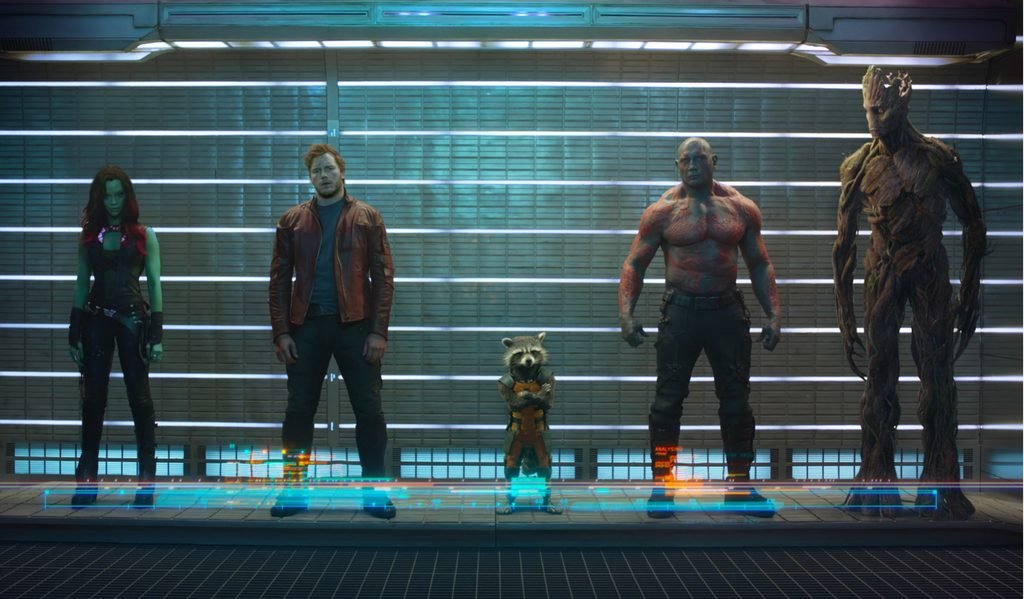
The confidence in James Gunn was earned. “Guardians of the Galaxy” turned a comparatively unfamiliar Marvel ensemble into a blockbuster with a talking tree, a furious raccoon and enough emotional sincerity to make both matter. The first film earned more than $770 million worldwide. That success showed that he could introduce an audience to a strange corner of a shared universe without treating the first film as homework for the next six.
Then came “The Suicide Squad,” where Ratcatcher 2, King Shark and a giant extraterrestrial starfish somehow occupied the same movie without exhausting its heart. Its strong reviews and weak theatrical opening need to remain separate facts. The 2021 release faced the pandemic and the simultaneous HBO Max release. It also demonstrated Gunn’s creative fit with DC, rather than delivering a clean commercial victory lap.
“Peacemaker” added evidence that he could build outward from that work. John Cena (“Bumblebee,” “Blockers”) carried a violent blowhard whose emotional damage became worth understanding, and audiences followed. At the time, Gunn and Cena reported that its first-season finale set an HBO Max original single-day record, with viewing 44% above the premiere. The chrome helmet had acquired something more useful than another accessory: an audience that kept growing.
That track record made the appointment promising. The disappointment comes from the gap between shaping those individual stories and organizing DC’s entire future on-screen. The DCU has delivered its Superman film, but not its own Batman or Wonder Woman movie, while “The People v. Gorilla Grodd” has completed filming. Grodd has two d’s; Gorilla City’s spelling standards need not become another continuity casualty.
The hope attached to James Gunn was an individual creative voice backed by a durable institutional plan. Instead, the next executive inherits unfinished introductions and a fandom asking which portions of yesterday’s promises still count. The Anti-Monitor usually needs an event series to generate this much continuity anxiety.
Brightburn complicates the darkness argument
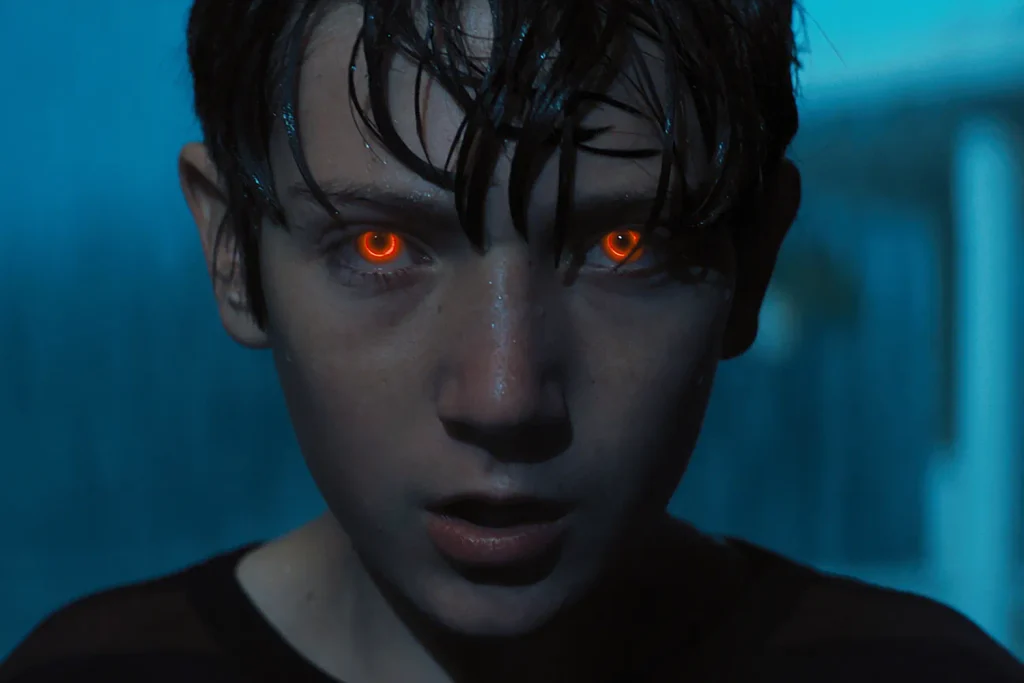
James Gunn had already put his producing weight behind “Brightburn“, a superhero horror film that turned the familiar child-from-the-stars premise into a nightmare. His brother Brian Gunn and cousin Mark Gunn wrote the screenplay, with David Yarovesky (“The Hive,” “Nightbooks”) directing.
For anyone hoping his DC appointment could accommodate something more unsettling than a well-timed quip, that credit belonged in the evidence locker. Fans thought this could have been the DCU leader they wanted. Instead, we got a collection of misfit toys. It’s like running to see what’s under the Christmas tree and getting a bowl of fruit and mismatched socks.
It also exposes the limits of reducing Snyder versus Gunn to darkness versus sunshine. “The Suicide Squad,” “Peacemaker” and the DCU’s “Clayface” hardly suggest a company afraid to turn off the lights. The sharper criticism concerns whether each character received the right treatment—and whether the range of projects added up to an inviting universe.
DC contains Gotham’s shadows and Superman’s promise that the world can become better. A convincing screen universe has room for both. The frustration is watching tonal arguments become another corporate weather vane, with fans promised a coherent destination while the Batcomputer keeps recalculating the route.
Where’s Nightwing when you need him? Oh yeah, that could have been in the other Batman. Sorry.
Warner Bros. is DC’s supervillain
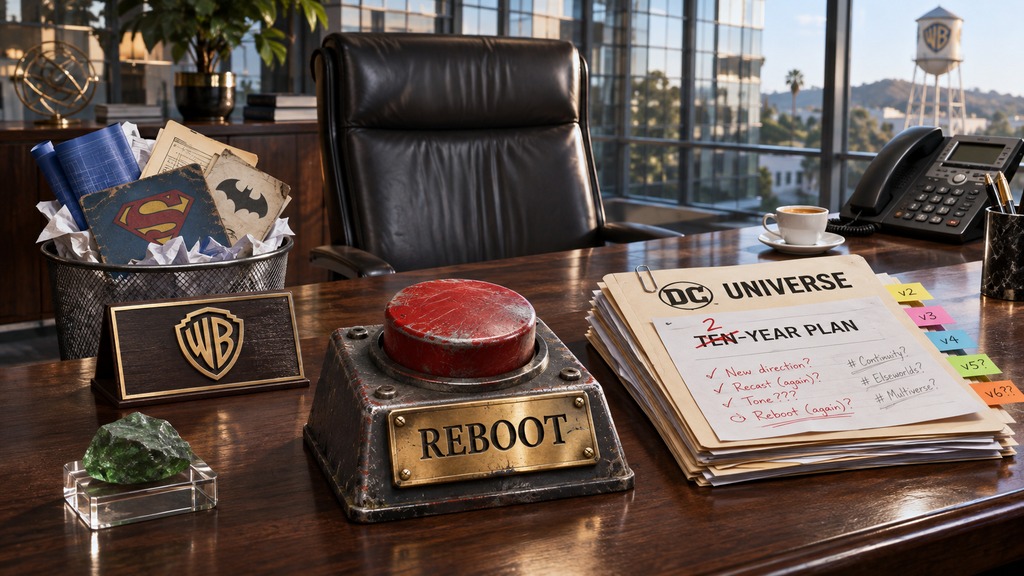
Can we get an AMEN from the people in overflow, please?
Warner Bros. has earned its place in this particular rogues’ gallery. That is an argument about stewardship, not a claim that every executive decision was malicious. Too often, DC’s screen history has taught audiences to invest in a direction, only to have the organization decide it prefers a different destination.
The succession is real even without inventing an exact number of reboots. Jon Berg and Geoff Johns’ DC Films arrangement gave way to Walter Hamada’s appointment in 2018. Then here comes Captain Sweater Vest David Zaslav. Eventually, that overpaid goober got the boot, which led to the James Gunn–Safran leadership and, now, Latcham. A leadership change, a recasting and a continuity reset are different events. Fans nevertheless experience the accumulated uncertainty when the next ticket comes with another explanation of which universe it belongs to.
Director Zack Snyder (“Man of Steel,” “Batman v Superman: Dawn of Justice”) built a fiercely recognizable interpretation. Its admirers had something substantial to embrace, however divisive the films became. Then, tragedy removed Snyder from the picture. No worries, WB calls in Joss Whedon from the original Avengers. The bumbling of “JOSS-tice League,” including the replacement creative direction that reached theaters, remains a warning about what happens when a studio loses confidence in its own undertaking. Pretending Snyder’s path had no commercial or creative difficulties would be equally convenient mythology.
EDITOR’S NOTE: Snyder deserved better. Fans deserved better. Both are still clamoring for what could have been. Are you?
Now Skydance owns the collection of what WB’s dog has left out back for the past decade. If James Gunn was the wrong executive choice, the institutions that selected and supported him should be included in the assessment. If he needed more time, replacing him raises a different question about corporate patience. Either way, blaming a single filmmaker leaves too much of the Bat-Signal pointed away from the boardroom.
The heroes are hardly bereft of creative resources. Artist and publishing leader Jim Lee (“Batman: Hush,” “Superman: For Tomorrow”) has spent decades helping readers believe in their scale, power and humanity. With writer Jeph Loeb and collaborators including inker Scott Williams, his “Hush” work made a sprawling cast of Gotham characters feel like an invitation.
As NSN explored in its look at Lee and Josh Silverman, DC’s publishing identity has creative strengths worth understanding. The screen operation should not continually behave as though the source material arrived without instructions.
Jeremy Latcham inherits the keys to the kingdom
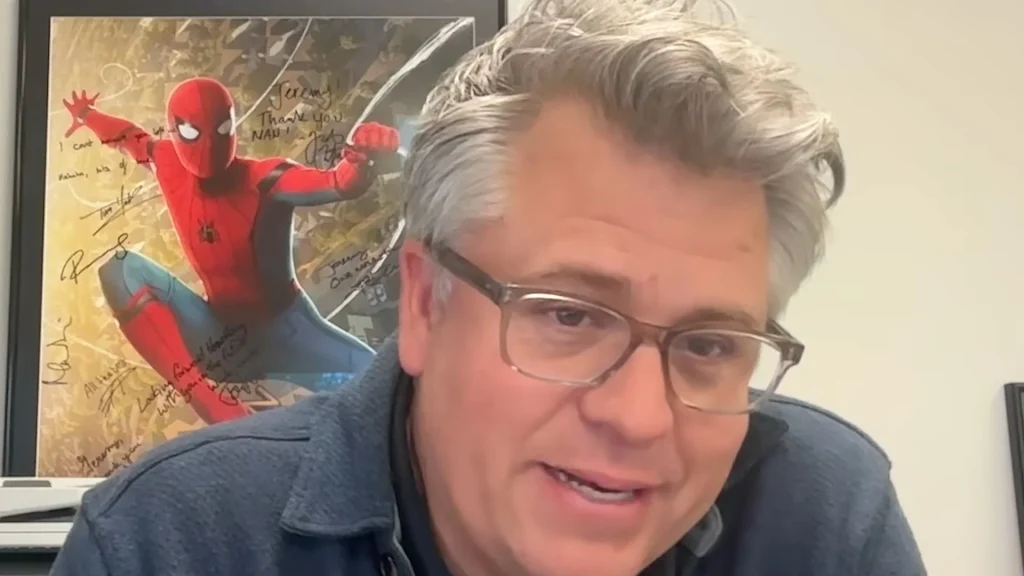
Latcham brings a relevant résumé. Skydance’s announcement details his Marvel progression:
- Associate producer on “Iron Man,”
- Co-producer on “Iron Man 2”
- Executive producer on “The Avengers,” “Guardians of the Galaxy” and other MCU films.
- He worked closely with Kevin Feige during the construction of a shared universe that audiences learned how to follow.
That experience also connects him to James Gunn. The incoming leader is not an outsider arriving to discover what this “Guardians” business was about. His career gives him a basis for judging individual creative voices while considering the machinery around them.
“Dungeons & Dragons: Honor Among Thieves” and “Bad Times at the El Royale” add useful range to his producing record. Never mind the movies sucked out loud; at least Skydance hopes you won’t notice. The attraction is the experience of coordinating people, tone and story—not the possession of a stolen Marvel instruction manual. DC’s rich pantheon of characters would be poorly served by receiving Avengers identification cards with the names crossed out.
Latcham’s own statement accepting the appointment identified the audience he intends to serve: “longtime DC fans and newcomers alike.” He also called stewardship of those characters “a massive responsibility that I do not take lightly.” The same announcement puts film, television and animation under his remit, with Latcham reporting to Skydance Motion Picture Group co-chairs Dana Goldberg and Josh Greenstein.
That combination matters. Comic readers want the characters they recognize; newcomers need a reason to care without a required reading list. Latcham helped build films that crossed that bridge at Marvel. Now he must demonstrate that he understands the traffic coming from Gotham and Metropolis, rather than assuming every road leads back to Avengers Tower.
Replacing James Gunn does not confer immunity from the conditions that complicated the job. Latcham inherits those conditions, along with owners eager for results and audiences increasingly suspicious of the word “vision.” It’s like a coach for the Dallas Cowboys. That old cantankerous fart in the back, Jerry Jones, is always going to be there to mess things up. Thanks for nothing, WB. Even Batman would inspect that employment contract twice.
An answer to prayer deserves more than a punchline
Latcham’s Christian background belongs in this discussion because he has connected it to his storytelling instincts. In a CBN News interview, he described his grandmother as a reference point in developing Marvel’s early films. The question behind that instinct concerned audiences far removed from Hollywood’s professional conversation.
His explanation was specific: “Is this going to work for regular people that are outside of the bubble of Hollywood?”
That deserves consideration rather than automatic eye-rolling. As Movieguide recounted from his earlier interview, his grandmother called after “Iron Man” opened and told him her pastor had used the film to discuss redemption. Tony Stark’s weapons, arrogance and consequences had not prevented a connection with that congregation. They gave his change of direction something to overcome.
“I think people do want inspiring movies,” Latcham separately told Movieguide. Placed beside the grandmother story, the remark has an actual argument behind it: spectacle can reach people through recognizable moral struggles, including people who would never describe themselves as superhero fans.
For DC, that instinct could matter. Superman’s compassion, Wonder Woman’s moral courage and Batman’s struggle to prevent grief from consuming his humanity offer more than convenient symbols for a franchise spreadsheet. Their heroism requires choices, sacrifice and limits on what power entitles someone to do amid darkness surrounding them. Latcham’s account suggests a way to discuss those qualities with audiences outside the comics shop. Whether he can turn that instinct into compelling DC films remains to be seen.
Faith does not establish Latcham’s competence, and his appointment does not announce any religious mandate for DC. Nor does an interest in redemption require Gotham to resemble a church picnic. The meaningful question is whether his convictions help him recognize stories that move people—and protect the filmmakers who can tell them. James Gunn’s successor deserves to be assessed on that work, rather than on either a halo or a caricature supplied in advance.
Another executive shouldn’t require another origin story

The most important fact for exhausted fans is what has not been announced: a wholesale restart. James Gunn remains the writer-director of “Man of Tomorrow,” which is scheduled for July 9, 2027. Existing work carries on. Whether Latcham revises future plans is a separate question from pretending the current films never happened.
The Batman distinction also needs care. Director Matt Reeves (“Cloverfield,” “Dawn of the Planet of the Apes”) established his 2022 Gotham before James Gunn, and Safran took charge. They did not originate its appeal. However, the current announcement credits both as producers on “The Batman Part II,” with Steven Soderbergh (“Traffic,” “Ocean’s Eleven”) finishing principal photography. Saying they had nothing to do with that ongoing operation would go beyond the evidence.
Reeves’ world offers a useful lesson without becoming a weapon in another factional argument: audiences can invest in a particular interpretation when it has an identity worth returning to. Snyder’s admirers recognize that principle, too. Latcham will gain little by treating those fans as an obstacle or by promising that one returning name can settle every disagreement.
James Gunn is leaving the chair. DC’s characters remain, along with the actors, artists and crews whose work gave this iteration a chance. Another set of business cards will accomplish nothing unless the company can sustain stories long enough for audiences to build a relationship with them.
Superman can catch a speeding bullet. Keeping DC’s owners from changing the target may be the harder part of the assignment. You know? Before the next guy catches that hot one in his behind.
Add us as a preferred source on Google.