

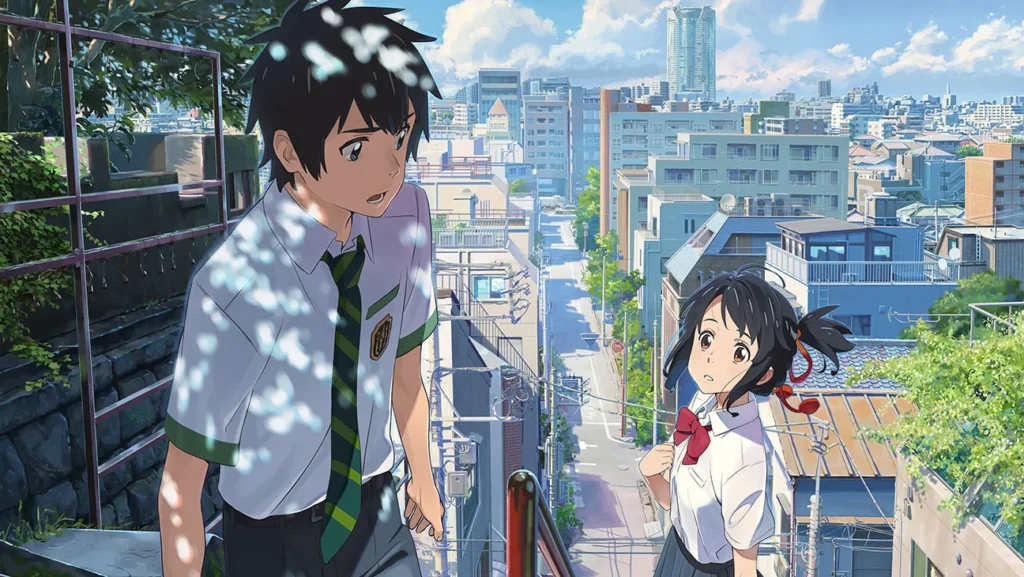
Your Name (Kimi No Na Wa) has been emotionally wrecking audiences since 2016. But if you’ve seen it, you already know the moment: the point where you realize the body-swapping story you thought you were watching is actually something far more devastating.
Most fans assume the film’s emotional gut-punch comes from the romance. It does, but the real reason the third act hits so hard is structural. Makoto Shinkai doesn’t just give you a love story with a twist. He builds the entire film around a timeline mechanic that you don’t fully understand until it’s already broken your heart.
The Gap You Don’t See Coming
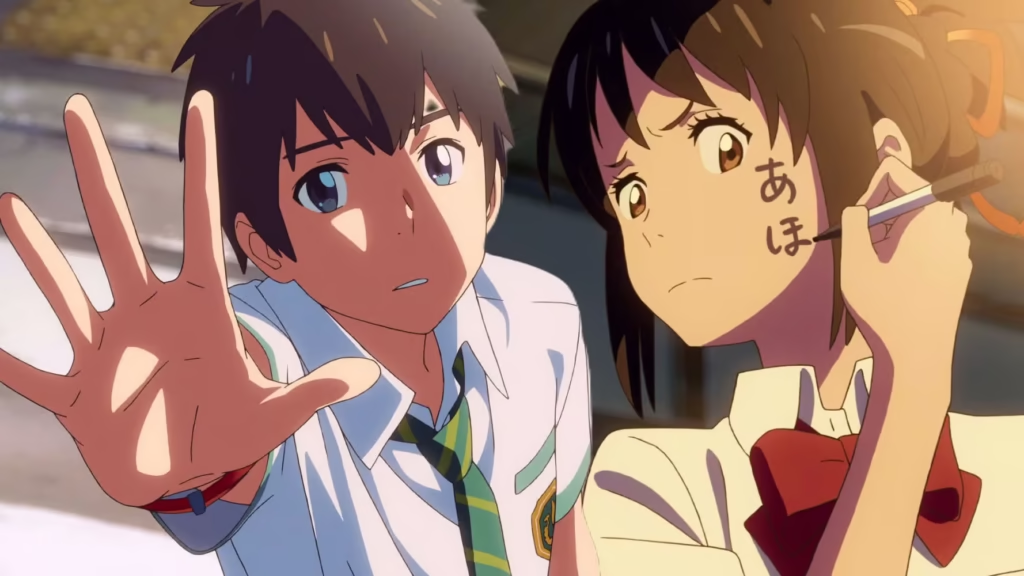
For the first two acts, Your Name plays its timeline mismatch as a background detail. Taki and Mitsuha are swapping bodies over an unspecified distance, leaving notes in each other’s phones and navigating each other’s lives with a mix of confusion and tenderness. The time difference between them feels minor, almost incidental.
Then the film reveals it: Mitsuha exists three years in Taki’s past. She has already died in the Comet Tiamat disaster. Every moment of connection they shared happened across a chasm of time that neither of them could see.
This is where Shinkai’s structure reveals itself as genuinely cruel in the best possible way. The audience has been watching a love story form. We’ve rooted for these two to meet. And then we learn that by the time Taki even tries to find Mitsuha, she has been gone for three years. The film doesn’t introduce this as a twist to be solved. It introduces it as a wall.
What makes the third act work is that Shinkai doesn’t let the timeline mechanic stay abstract. Taki travels to Itomori, finds it destroyed, looks up the disaster records, and sees Mitsuha’s name on a list of casualties. The emotional math becomes inescapable. The body-swapping wasn’t two people falling in love in real time. It was, in some sense, a ghost story.
Why the Resolution Earns Its Tears
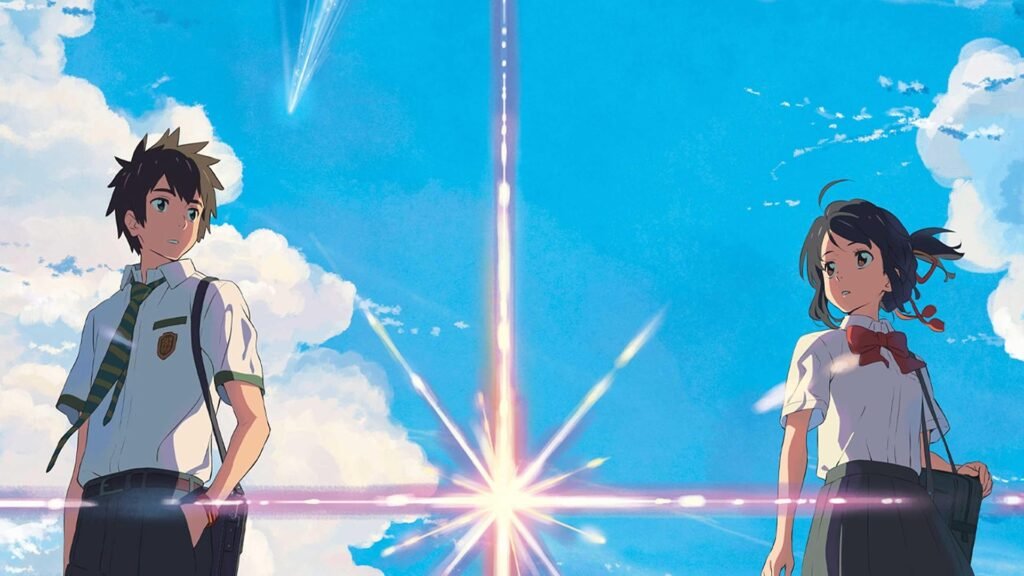
Here’s where lesser films would cheat. The easy move would be to resolve the timeline paradox cleanly and let the audience off the hook. Instead, Your Name does something more interesting: it makes the solution feel impossible, then earns it anyway.
The film’s third act hinges on musubi, the Shinto concept of connection and binding that Mitsuha’s grandmother describes early in the film. Time, thread, and fate are all the same thing in this cosmology. Shinkai uses this not as a magical loophole but as emotional permission. The rules of the world allow for one last attempt to rewrite what happened. But Taki and Mitsuha still have to run toward each other at twilight, in a window so narrow it almost doesn’t open.
And then they forget each other. The memories dissolve. They wake up on opposite sides of a timeline that has been quietly stitched back together, with no proof it ever happened.
The film’s final sequence, years later, cuts through all of it in about ninety seconds. Two strangers on passing trains. A turn of the head. “Have we met?” The answer, of course, is yes. In the most impossible way imaginable.
What breaks you isn’t the tragedy. It’s the fact that something so fragile made it through. The third act works because Shinkai never promises the ending will come. He just leaves a crack in the door, and the love story walks through it on its own.
Your May Also Like:
Add us as a preferred source on Google.
Conversation