

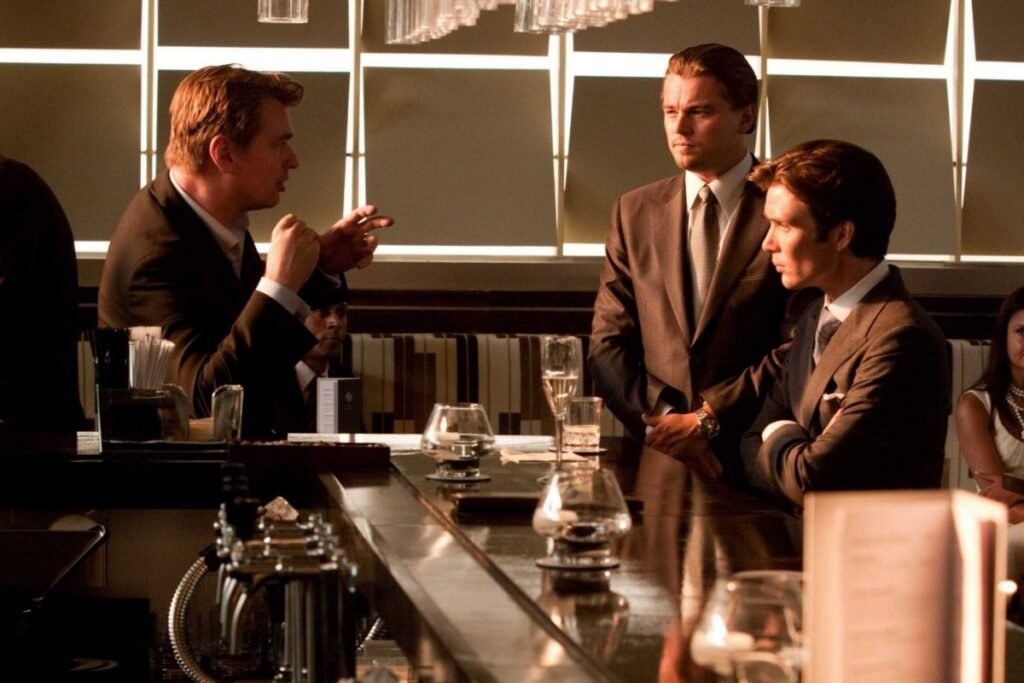
Fifteen years on, the final shot of Inception still makes people lean forward in their seats. The top spins. It wobbles. The screen cuts to black. And nobody can agree on what that means.
The debate has never really gone away. Christopher Nolan built one of the most discussed endings in modern cinema, and the totem at the center of it has become a cultural shorthand for films that refuse to give you a clean answer. But here’s the thing: there is a clean answer, if you know where to look.
What Cobb’s Totem Actually Tells Us
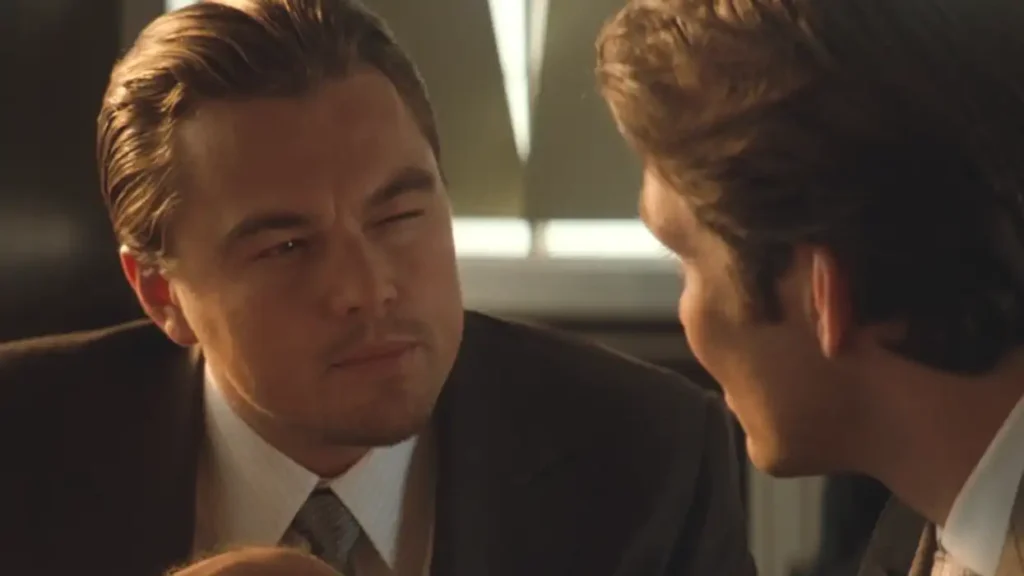
A totem in Inception is a small personal object with a unique physical property that only its owner knows. In a dream, a dreamer cannot perfectly replicate another person’s totem because they don’t know its specific weight, texture, or behaviour. If your totem behaves correctly, you’re in reality. If it doesn’t, you’re still under.
Cobb’s totem is his wife Mal’s spinning top. In a dream, it spins indefinitely. In reality, it eventually wobbles and falls. That’s the rule. And the final shot shows it doing exactly that, beginning to wobble right before the cut. Most viewers take that wobble as the answer. Cobb is awake. He made it home.
But there’s a wrinkle that the film quietly plants throughout, and it changes everything.
The Real Reason the Totem Doesn’t Matter

Cobb’s totem was never really his. It belonged to Mal. He took it from her, and that complicates the logic of how totems are supposed to work. The rule is that only the owner truly knows the behaviour of their totem, which is what makes it reliable. Cobb knows how Mal’s top behaves in a dream because he spent years in a shared dream world with her. He knows it in reality too. The top has lost its value as a reliable test.
What the film gives us instead is a much more personal anchor. In both dreams and throughout the film, Cobb never sees his children’s faces. He only glimpses them from behind, frozen in a single moment, wearing the same clothes, in the same position. At the end, he sees their faces. They turn around. They’re real, present, and in the moment. That is the actual signal the film is offering.
The totem is a red herring. Nolan uses it to keep us anxious right until the cut, but the emotional resolution has already arrived before the top even starts spinning.
The implications of this reading are significant. It means Cobb stopped testing reality and chose to trust it. After years of using Mal’s totem as a way of holding onto her, he let go. That’s the arc. Not whether the physics of a toy confirm objective reality, but whether a grieving man finally allowed himself to come home.
Nolan has been deliberately cagey about the answer in interviews, which is part of what keeps the debate alive. But the film’s internal logic, the rule of totems, the shift in what Cobb sees, and the emotional throughline all point in the same direction. He’s awake. He just had to stop asking the question to get there.
Inception is available on 4K UHD Blu-ray now, and remains one of the most re-watched films of the 2010s for exactly this reason.
You May Also Like:
Add us as a preferred source on Google.
Conversation