

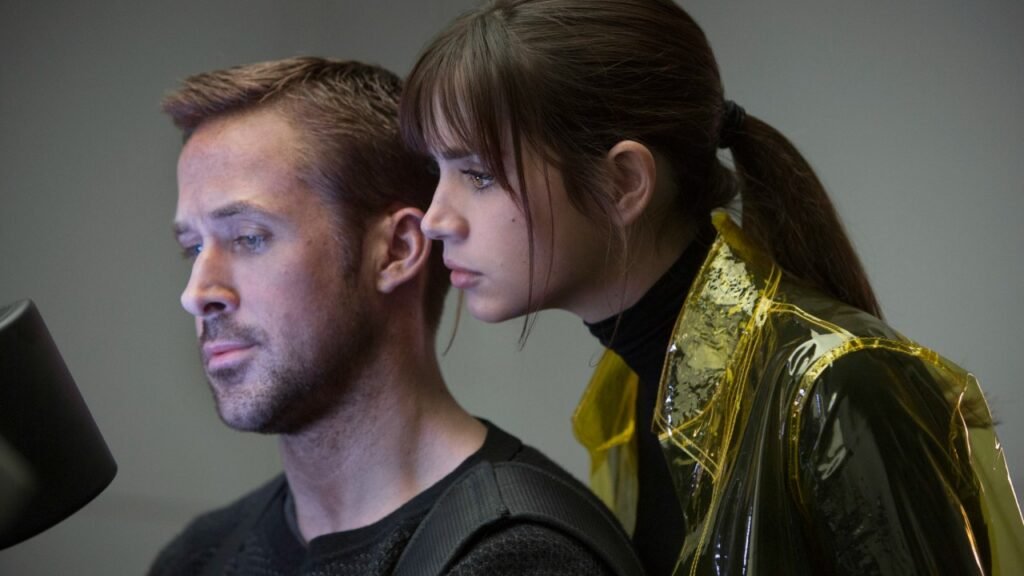
If you still haven’t fully figured out K’s journey and what his final sacrifice in Blade Runner 2049 actually meant, well, let’s fix that.
Denis Villeneuve‘s 2017 sci-fi sequel quietly turned into one of the most emotionally devastating films of the decade, even though plenty of cinephiles skipped it in theaters back then. Nearly a decade after its release, it keeps finding new life online because the ending lands harder every single time.
K’s sacrifice becomes more emotional once you fully sit with everything the film says about identity, memory, and humanity.
K’s Humanity Was Built on a Lie
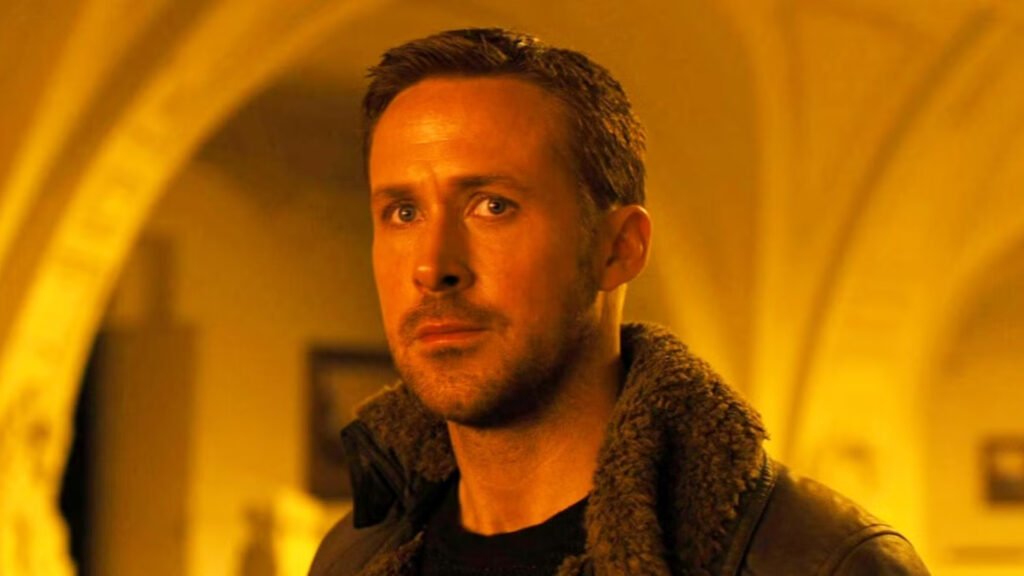
For most of the film, K believes he might be the impossible child born from Rick Deckard and Rachael. That idea changes everything for him. It gives him individuality, purpose, and the feeling that he might possess a soul instead of functioning like another disposable Nexus-9 replicant.
K’s belief mainly comes from the memory of the wooden horse. He becomes convinced the memory belongs to him because of how deeply it affects him. Later, the truth destroys that hope. The memory never belonged to K at all. It belonged to Dr. Ana Stelline, Deckard and Rachael’s actual daughter.
Discovering that truth completely shatters K’s understanding of himself. He realizes someone else’s memories shaped the identity he believed was real. The irony cuts even deeper because Ana specialized in designing emotional memory implants for replicants. She professionally created artificial memories to stabilize their minds and emotional development.
But the film quietly reveals something even more unsettling. Ana’s most emotionally important memories were not fake at all. The wooden horse memory came directly from her own childhood. That adds another layer to K’s collapse because his strongest emotional connection originated from somebody else’s real life.
The film never fully explains why Ana gave K that memory. One possibility is pure coincidence. Another possibility feels far darker. K, the Blade Runner assigned to hunt dangerous replicants, unknowingly carried the personal memories of the very woman he was indirectly protecting all along.
Ana also never tells K the truth because implanting real memories is illegal. K works for the LAPD. Admitting that the memory was genuine would expose her entire operation immediately.
Related: Blade Runner 2049 Is the Best Movie Ever Made About NOT Being the ‘Chosen One’
Joi Complicates Everything Further
Right after K discovers he is not the miracle child, the film delivers another devastating emotional blow through Joi. Up until this point, Joi appeared to be the one genuinely comforting and understanding him. She constantly reinforced the idea that K was special, unique, and capable of becoming more than his programming.
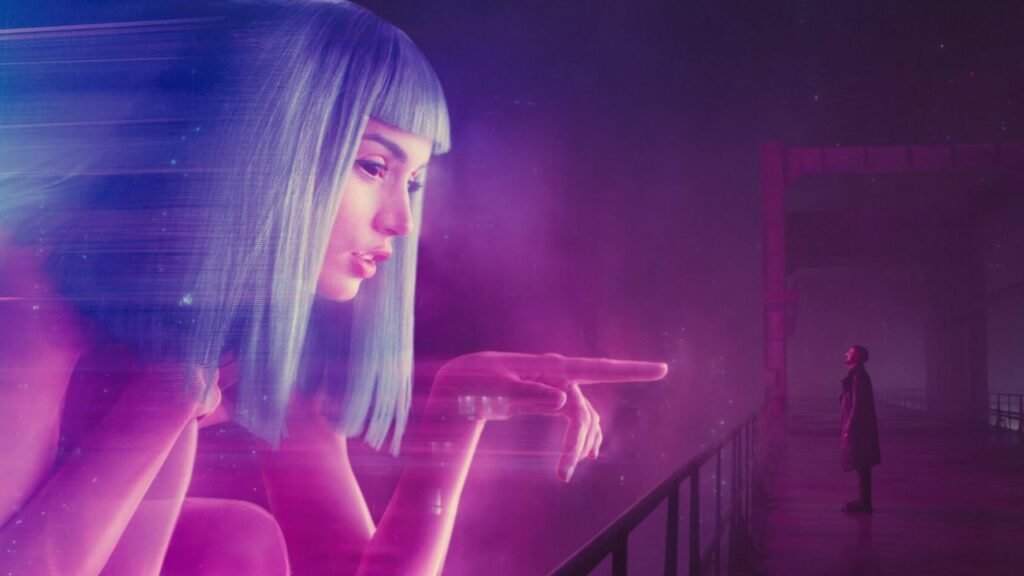
Then the giant Joi advertisement appears. “You look like a good Joe.”
The scene reframes their entire relationship entirely. The hologram billboard looks exactly like Joi and even repeats the same phrases she used with K earlier in the film. Suddenly, K no longer knows whether her affection was authentic or simply part of Wallace Corporation’s product design.
That uncertainty becomes one of the most important ideas in the movie.
If Joi’s behavior was indistinguishable from real love, should it matter whether it originated from programming? The film refuses to give a clean answer. Parts of the story strongly imply that Joi merely functioned exactly as intended. She tells lonely people what they want to hear. She encourages emotional attachment because that is literally her purpose.
At the same time, some moments feel far too personal to dismiss completely. Like, Joi willingly asks K to delete her from the main console and keep her entirely inside the portable Emanator device, even though that means one accident could erase her forever. That decision feels deeply human because it involves risk, sacrifice, and emotional vulnerability.
Then comes the devastating goodbye scene before Luv destroys the device. The final look between Joi and K lands emotionally because the film spent so much time making viewers believe their relationship mattered.
The brilliance of the billboard scene is that it forces both K and the audience into the same existential crisis at the same moment. Was Joi truly evolving beyond her programming? Or did Wallace Corporation simply create a product advanced enough to simulate emotional intimacy perfectly?
The film never resolves that ambiguity because K never resolves it himself.
Why K’s Final Choice Matters
K reaches the film’s most important realization only after every illusion around him collapses. He is not the miracle child. The memories he treasured never belonged to him. Joi’s love might have been genuine, or it might have been sophisticated programming. Even his deepest ambitions may have come from emotional conditioning rather than free will.
None of that stops his final choice from mattering.
Freysa wants K to kill Deckard for the replicant rebellion. Wallace wants Deckard alive so he can exploit the secret of replicant reproduction. K rejects both sides completely. Instead, he makes a choice based entirely on empathy.
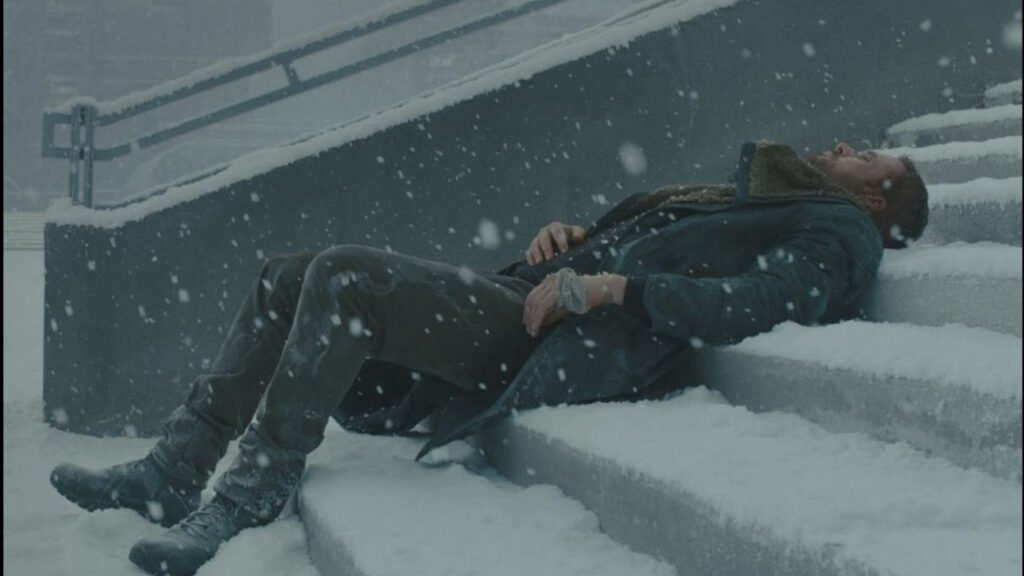
He rescues Deckard, kills Luv, and reunites a father with his daughter, fully aware that the decision will cost him his life. That sacrifice carries weight because K spends the entire film searching for proof that his existence means something.
First, he believes he is the impossible child born from replicants. Then he clings to Joi and the idea that someone genuinely saw him as special. By the third act, both beliefs collapse.
The film intentionally leaves one haunting question unresolved: if K’s emotions were programmed, are they any less real Villeneuve keeps pushing the audience toward that uncertainty. K feels loneliness, hope, love, grief, and compassion exactly the way a human being would. At a certain point, the source of those emotions stops mattering as much as the choices they create.
By the ending, K no longer chases validation or identity. He stops trying to prove he is special. Instead, he chooses to help someone else with absolutely nothing to gain for himself.
K’s final decision separates him from the obedient machine he was designed to be. Earlier in the film, K follows orders because replicants exist to obey. His final act breaks away from that structure completely. Nobody commands him to save Deckard. Nobody rewards him for it. He simply chooses compassion anyway.
You May Also Like
Add us as a preferred source on Google.