

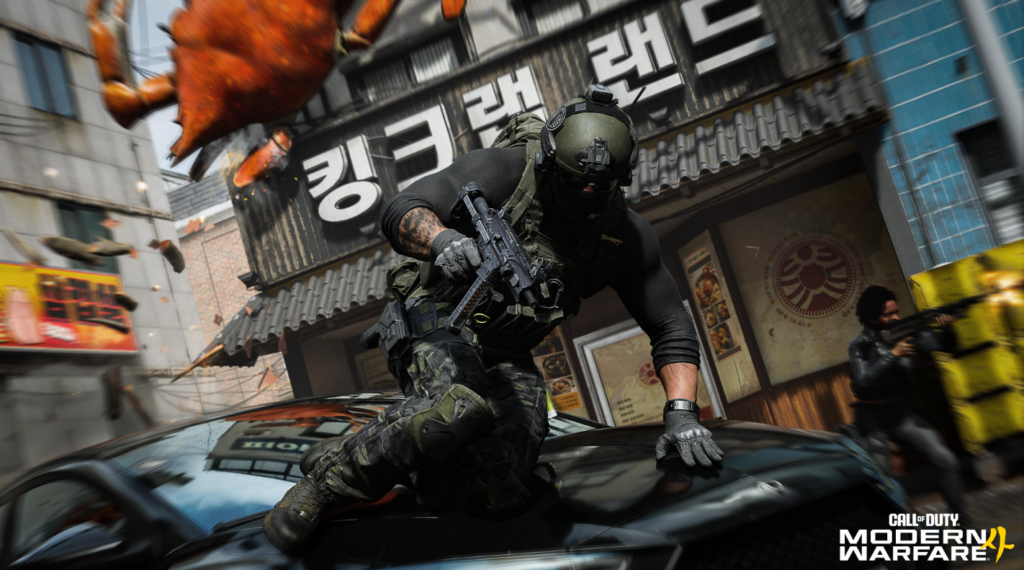
Three seconds. That’s all the time Activision needed to turn somebody else’s nightmare into video game scenery.
Call of Duty: Modern Warfare 4 is facing international backlash after players discovered actual footage from South Korea’s deadly 2022 Itaewon crowd crush in its cinematic depiction of a fictional North Korean invasion. The footage shows an emergency responder performing CPR on a victim of the disaster, which killed 159 people.
- The game launched Oct. 23.
- Five days later, victims’ families demanded some footage be removed.
- Activision apologized Oct. 30, promising to delete it in a Nov. 12 update.
That timeline is especially painful. The controversy erupted as South Korea commemorated the fourth anniversary of the tragedy.
Activision says it never intended to trivialize the disaster. Its apology acknowledges the harm, but it leaves a rather enormous question hanging over one of gaming’s most recognizable franchises.
How does a company capable of digitally recreating an entire war decide that actual human suffering makes good background material?
And perhaps more importantly, why did the people routinely accused of being desensitized to violence recognize the problem before the people making the game?
How Call of Duty: Modern Warfare 4 Turned a Disaster Into Fiction
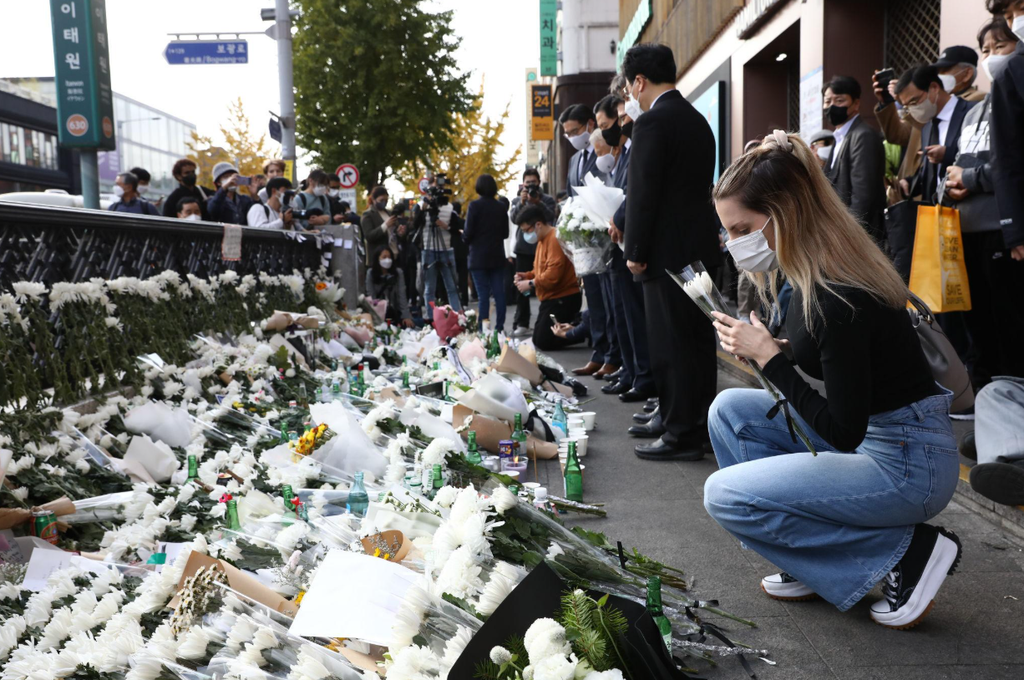
On Oct. 29, 2022, Halloween crowds filled Seoul’s Itaewon nightlife district. A dangerous crush developed in a narrow, sloping alleyway, trapping people beneath tremendous pressure. Emergency workers and bystanders desperately tried to save those who had collapsed.
According to Yonhap News Agency, 159 people died. Another 196 were injured, according to Video Games Chronicle’s reporting. Some international reports count additional deaths later recognized as connected to the disaster, explaining differences in published totals.
Four years later, the images appeared in a video game. Whoops. (At least, that’s what Activision was probably hoping would be the blowback.)
Call of Duty: Modern Warfare 4 follows a fictional conflict on the Korean Peninsula, in which North Korean forces invade South Korea. Its cinematic sequence uses news-style footage to establish the scale of the imagined devastation.
Among those fake AI images were approximately three all-too-real seconds of genuine footage from the Itaewon disaster.
South Korean players recognized the scene and raised the alarm. The SBS News investigation described criticism spreading across social media as families and gaming advocates demanded an explanation.
It’s worth understanding precisely what happened. Activision wasn’t staging a reenactment of Itaewon or writing a fictional story about the disaster. The company used footage of an actual medical emergency to illustrate casualties from an entirely different, invented event.
That distinction is what makes the decision so difficult to defend.
The people in those images weren’t actors. They hadn’t agreed to participate in a military thriller. They were people experiencing an emergency that would devastate hundreds of families.
Somebody apparently looked at that footage and saw atmosphere.
Families of Itaewon Victims Demand More Than an Edit
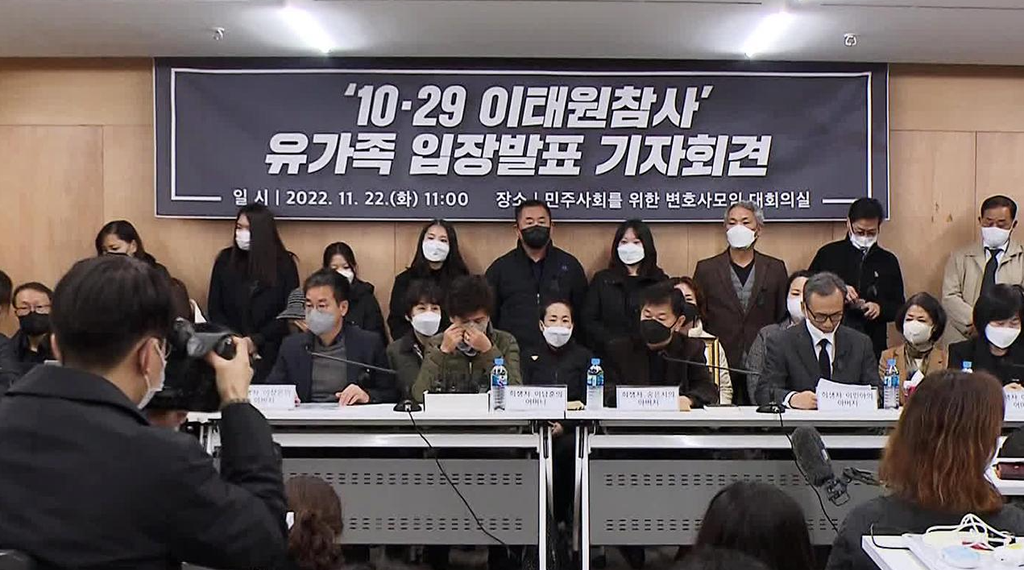
Their concern went beyond the indignity of seeing the disaster incorporated into entertainment. Survivors, witnesses and rescuers continue to experience trauma, and families said hateful online commentary had compounded their suffering.
In the statement, reported by The Korea Herald, the organizations criticized Activision for using footage of an actual tragedy without sufficient regard for the people affected.
The families also called for prompt corrective action. Consider what those objections mean in context.
For a player unfamiliar with Itaewon, the scene might register as another convincing glimpse of a fictional war. For someone who was there or someone who lost a child, friend or spouse, it could be an unmistakable reminder of the worst night of their life.
And the footage was appearing just as families gathered to mark another anniversary.
That’s an extraordinary failure of judgment, regardless of whether anyone at Activision recognized the clip’s origin.
A studio can manufacture a believable explosion. It can create convincing crowds, injuries and emergency responders through visual effects.
It cannot manufacture the consent of the people whose real suffering it borrows.
Activision Apologizes, but What Went Wrong?
Activision’s Oct. 30 statement offered an explanation and a promised remedy.
The publisher said Call of Duty: Modern Warfare 4 was designed to deliver a fictional experience with realistic imagery. It maintained that the use of archival news footage was never intended to invoke the Itaewon disaster or diminish the suffering associated with it.
“We offer our deepest condolences and sincere apologies to the bereaved families, victims and everyone who has been deeply hurt or distressed by this incident,” the company said in a statement.
Aww, that’s sweet. If only they felt that way when approving graphics for the actual game. Activision also apologized to the victims, their families and others distressed by the scene.
The company confirmed that the footage would be removed through a Nov. 12 update, as Yonhap reported.
That’s an appropriate response, though the timing means the footage will remain in the released game until the update arrives.
The statement also deserves a fair reading. There is no verified evidence that Activision executives deliberately chose the footage because it depicted Itaewon. Nor is there evidence that they privately concluded gamers were too accustomed to violence to object.
Still, a major game cinematic passes through a production process. Someone selects the imagery. Someone edits the sequence. Other people review the finished product.
Public reporting has not established who chose the clip, who approved it or whether anyone recognized what it showed. Those unanswered questions are more revealing than a rehearsed apology.
How did real footage of a fatal disaster become interchangeable with fictional civilian casualties? And why did the production process fail to recognize the difference?
Gamers Rejected the Footage Without Demanding Censorship
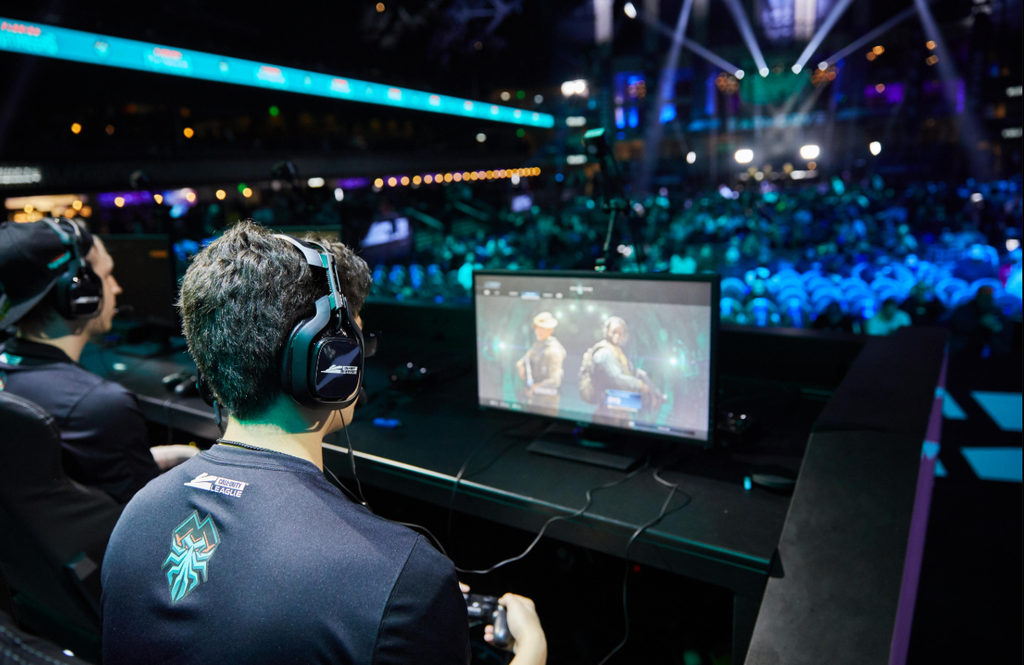
Call of Duty players gathered at a gaming event in 2019, representing the community at the center of the backlash. (Image Credit: The Washington Post via Wikimedia Commons)
Here’s where the Call of Duty: Modern Warfare 4 controversy gets particularly interesting.
The Korea Game Users Association joined the victims’ families in calling for an explanation, an apology and replacement footage. It objected to the use of a real tragedy that had no meaningful connection to the game’s fictional story.
But the association also warned against turning the controversy into an excuse for censorship or unwarranted restrictions on games.
That position, documented by SBS News, deserves considerably more attention than another round of arguments about whether video games are too violent.
The association was defending the medium while criticizing a company operating within it. There’s no contradiction there.
Gamers can spend an evening shooting digital enemies without wanting actual people harmed. Horror fans can admire gruesome special effects while finding footage of a real death unbearable. Audiences understand that fictional violence and documented suffering carry different responsibilities. Gaming makers should be no different.
And the response to Activision demonstrates that distinction.
South Korean players identified the footage. Gaming advocates demanded accountability. Families explained the harm. The publisher promised to act.
The audience drew a boundary that the production process apparently missed.
For an industry that has spent decades defending itself against accusations that games make people indifferent to violence, that’s quite a reversal.
Has Entertainment Become Too Comfortable With Real Violence?
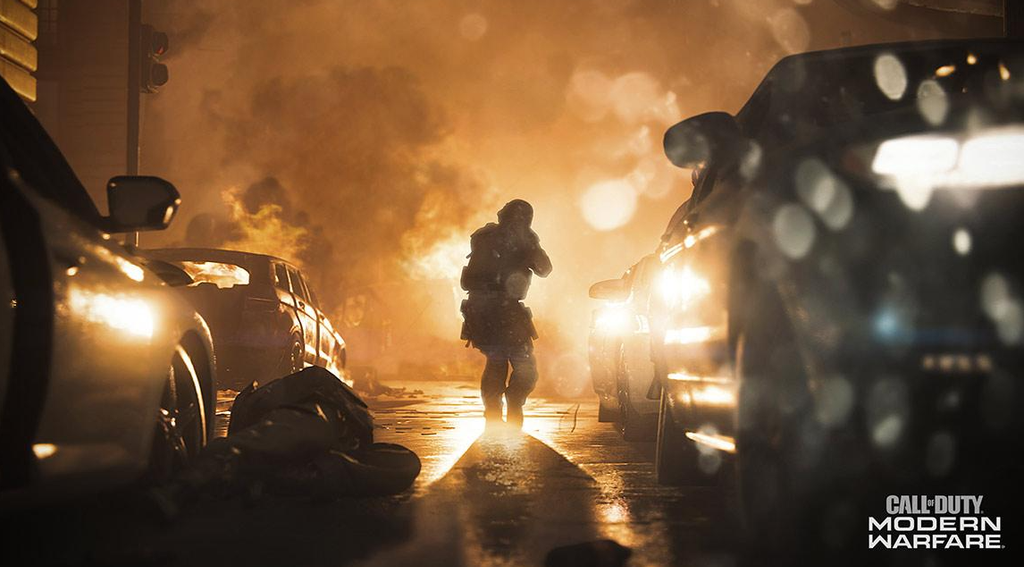
Modern entertainment has become astonishingly good at making destruction look authentic.
Military shooters recreate combat with extraordinary detail. Horror films push practical effects and computer-generated imagery to uncomfortable extremes. Action movies demolish entire neighborhoods before the credits roll.
Meanwhile, footage of actual wars, disasters and violent crimes circulates through social media alongside trailers, memes and vacation photographs.
One moment we’re watching fictional chaos. A swipe later, we’re watching the real thing.
It’s tempting to argue that we’ve all become desensitized. But that’s an enormous psychological claim, and the research on violent media doesn’t justify treating every viewer or gamer as though they respond identically.
The more immediate concern is the people producing the entertainment.
When realism becomes a commercial objective, where are the safeguards that distinguish authentic historical material from footage that merely looks useful?
Call of Duty: Modern Warfare 4 didn’t need real footage of Itaewon to make its fictional invasion believable. It needed convincing images of frightened civilians and emergency responders.
Those could have been created. Instead, actual human suffering was folded into a sequence designed to make an imaginary war feel real.
The technology made it possible. But the editorial judgment should have made somebody stop.
Call of Duty Has Faced Questions About Real History Before
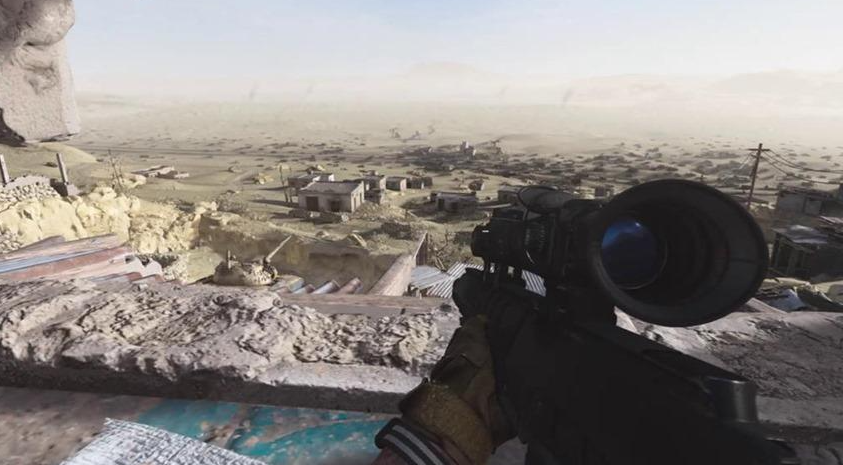
The franchise has previously faced criticism over the way it borrows from history.
In 2019, Call of Duty: Modern Warfare used the term “Highway of Death” to refer to an incident involving Russian forces in the fictional country of Urzikstan.
The name is historically associated with attacks by U.S.-led coalition aircraft on retreating Iraqi forces during the 1991 Gulf War.
That controversy concerned the reinterpretation of historical responsibility within a fictional setting. The Itaewon incident goes further because the game included real-life footage of people receiving emergency medical treatment.
Both controversies reveal a creative temptation: real history carries emotional weight that fictional events sometimes struggle to reproduce.
But borrowing that weight means assuming responsibility for the context.
A documentary investigating Itaewon could have a legitimate reason to use difficult archival footage, provided the images were handled with appropriate care and relevance.
A video game’s fictional invasion montage has a different purpose.
Context matters.
So do the people whose lives appear on screen.
Call of Duty: Modern Warfare 4 Forgot Where the Game Ends
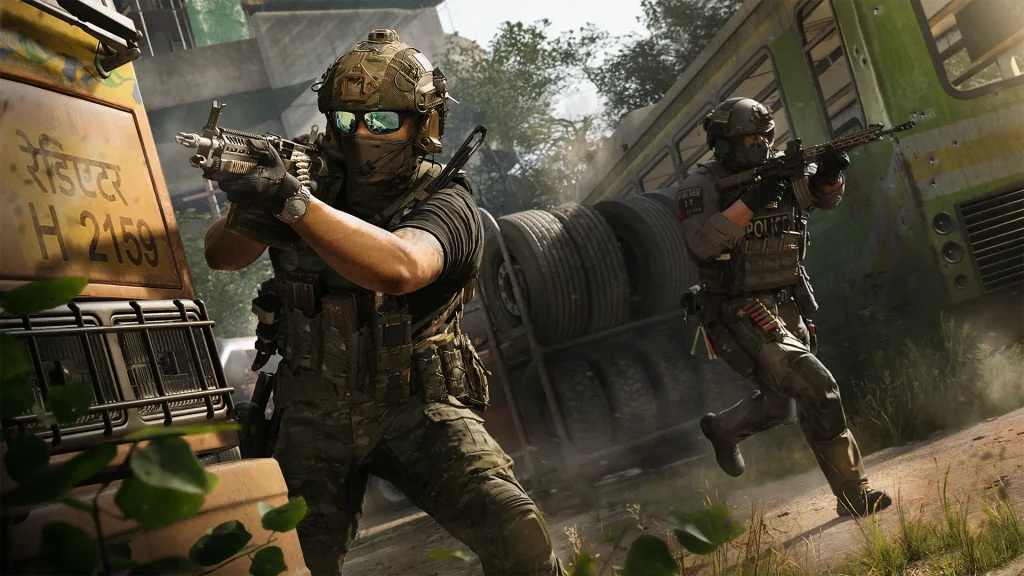
Nobody needs Call of Duty to become Leave It to Beaver.
The franchise can keep its gunfire, explosions, impossible military missions and soldiers who miraculously recover from bullet wounds by crouching behind a concrete wall.
Players know what they’re buying.
Activision has access to artists, animators, actors and visual effects specialists who can create fictional destruction without borrowing footage from a genuine catastrophe.
Its decision to remove the clip is welcome. The families and gaming advocates who demanded that a correction be made deserve credit. But the larger lesson shouldn’t disappear with the footage.
In an entertainment culture saturated with realistic violence, the responsibility to distinguish fiction from reality becomes more important, especially when genuine suffering can be downloaded and repurposed with a few clicks.
The people who died in Itaewon weren’t characters in somebody’s campaign. They were celebrating Halloween, surrounded by friends and strangers, expecting to go home afterward.
Their families have spent four years living with the fact that they didn’t.
Three seconds were enough to bring that suffering into Call of Duty: Modern Warfare 4.
And three seconds were enough for gamers to remind Activision where the game ends.
Add us as a preferred source on Google.