
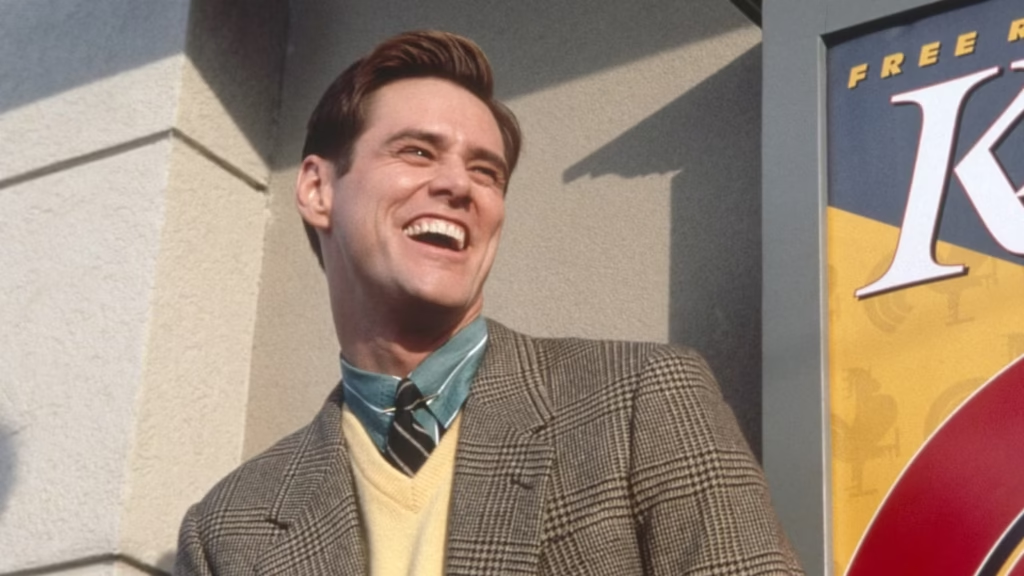
The Truman Show came out in 1998 and was treated as satire. In 2026, it plays like a documentary. Peter Weir’s film about a man whose entire life is a televised production has aged into something far more uncomfortable than anyone likely intended.
The film follows Truman Burbank, a man who has lived his entire life on a giant soundstage without knowing it. Every person around him is an actor. Every moment is broadcast to a global audience that has watched him since birth. When it was released, audiences laughed at the absurdity of it and then went home. The concept felt like a stretch.
Then came Big Brother. Then The Real World. Then influencer culture, then parasocial fandoms, then live-streaming, then a media ecosystem where ordinary people broadcast their daily lives to millions, and audiences feel genuine grief when those people disappear from their feeds. The stretch stopped feeling like a stretch.
When the Camera Never Turns Off
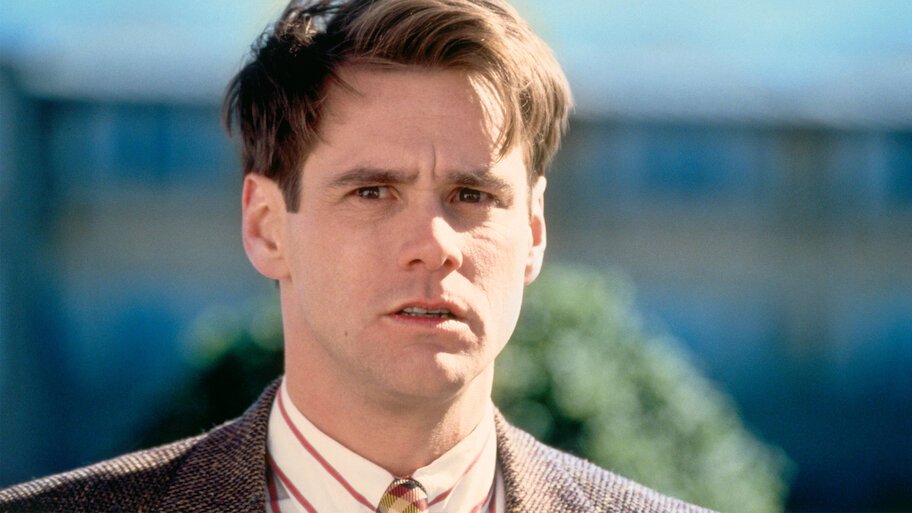
What makes The Truman Show so much harder to shake in 2026 is that Truman never consented to any of it. He was placed into the show as a baby, raised inside a narrative crafted by a producer named Christof, and kept compliant through manufactured comfort and subtle manipulation. The horror of the film is not the surveillance. It is the fact that Truman genuinely loves his life, right up until the cracks start showing.
That dynamic maps almost perfectly onto modern content culture. Audiences today follow creators from childhood, watch their relationships form and collapse, mourn their mental health crises in real time, and then move on to the next one. The line between watching someone and consuming them has blurred in ways the film predicted with uncomfortable precision.
Christof’s most chilling line lands differently now, too. When asked why Truman has never questioned his reality, he says the world Truman lives in is simply more appealing than what waits outside. In 2026, that reads less like a fictional villain’s logic and more like a content strategy.
The Audience Is the Problem, and Always Was
The film’s sharpest insight is one that tends to get overlooked. The Truman Show is not really a story about a bad producer. It is a story about viewers who kept watching. The audience in the film knows Truman is real, knows he never agreed to any of this, and tunes in anyway. They cry when he cries. They cheer when he nearly finds the exit. They are not villains in their own minds. They just want to see what happens next.
That is the part that feels most true right now. Online audiences rally around creators, defend them fiercely, and then turn the moment the narrative shifts. The emotional investment is real. The accountability is not. Truman’s world only existed because millions of people chose to watch it, and nobody in the film ever seriously considers that they are the reason it continues.
The film turns 28 this year. It has never had a sequel, a reboot, or a spin-off, and it does not need one. Reality has already provided the follow-up.
You May Also Like: