

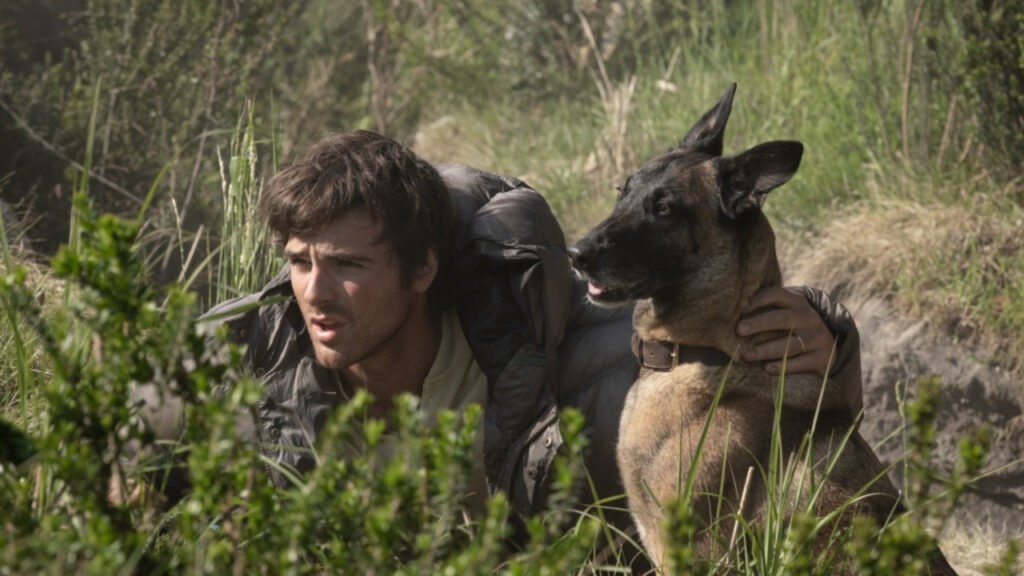
Ridley Scott’s adaptation of Peter Heller’s 2012 post-apocalyptic novel The Dog Stars brings the story to theaters on August 28, 2026.
Starring Jacob Elordi as Hig and Josh Brolin as his survival partner Bangley, the $110 million film takes place in a world ravaged by a deadly flu pandemic, where a pilot, his dog, and the few people he trusts are left searching for some reason to keep going.
The movie follows the broad outline of Heller’s novel, but bringing such an internal, literary story to the screen required some major changes. Hig’s first-person narration, the emotional significance of his dog Jasper, and the novel’s deliberately quiet approach to life after the collapse all presented challenges that a large-scale Hollywood production had to address.
Some of those changes are small enough to become trivia, while others alter how audiences experience Hig’s story. Here are the biggest differences between the book and the movie.
Jasper Looks Very Different In The Movie
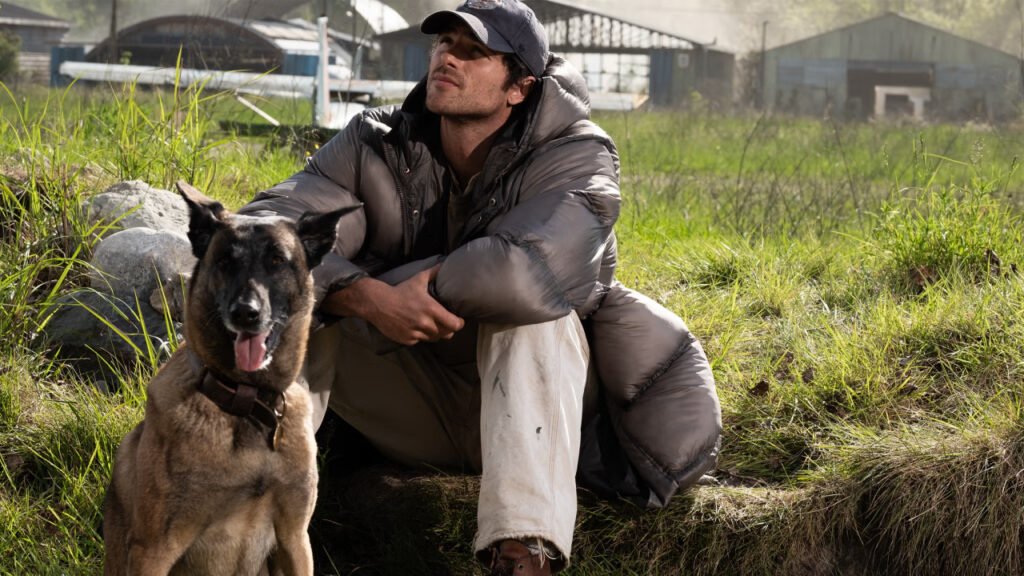
The most visible change for longtime readers involves Jasper, Hig’s loyal companion. In Heller’s novel, Jasper is a Blue Heeler, a detail that carries emotional significance because the breed is tied to Hig’s memories of his life before civilization collapsed.
Instead, the movie cast a Belgian Malinois as Jasper. That difference may seem cosmetic, but readers who consider the dog one of the novel’s emotional centers notice it immediately. Jasper is not simply an animal accompanying Hig through the wasteland. His presence connects Hig to the world that existed before the pandemic and provides him with affection and companionship when almost everything else has disappeared.
Related: The Dog Stars: Plot, Cast, Release Date, and Everything You Need to Know
Scott’s response to the backlash was characteristically blunt when Empire Magazine asked him about the reaction to Jasper’s breed change:
“You know what the answer to that is, don’t you? F*ck off!”
The practical demands of filmmaking likely played a role in the change. Belgian Malinois are highly trainable working dogs and can perform complex physical sequences, making them particularly useful for a production involving survival, combat, and other demanding scenes.
The change in the breed nevertheless remains one of the clearest examples of how the movie has had to reinterpret details that readers had already firmly established in their minds.
Why The Movie Loses Hig’s First-Person Voice
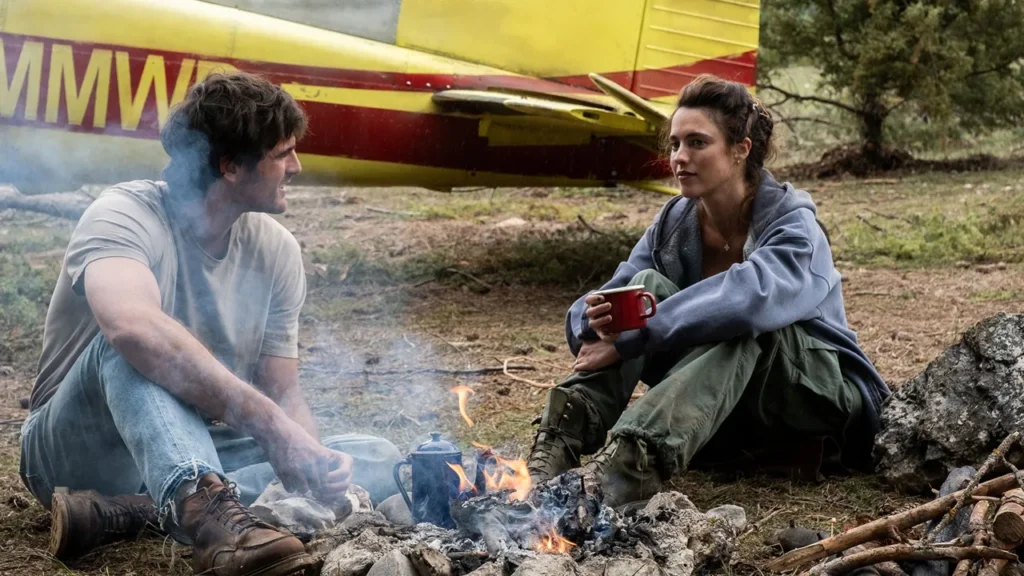
The more consequential change involves the way Hig experiences the story. Heller’s novel is written entirely from Hig’s first-person perspective, using fragmented prose and stream-of-consciousness passages to place readers directly inside his thoughts.
That style is central to the book’s emotional impact. Hig is not simply surviving in a post-apocalyptic landscape. He is dealing with grief, isolation, memory, and the psychological damage caused by losing nearly everyone he knew. The broken rhythm of the prose mirrors his mental state and makes the story feel intensely personal.
A traditional film cannot reproduce that experience in exactly the same way, so screenwriter Mark L. Smith removes the first-person framing. Viewers instead observe Hig’s actions from the outside, relying on Jacob Elordi’s performance to communicate emotions that the novel can state directly through narration.
That shift changes the character as much as it changes the storytelling. Elordi’s restrained performance can convey Hig’s exhaustion and loneliness, but the audience does not have the same constant access to his thoughts as readers do in the book.
The difference becomes even more noticeable because Heller’s novel is intentionally quiet. Much of the story is built around flying, fishing, caring for Jasper, and searching for signs that another human connection might still exist. The apocalypse is important, but the book is less interested in explaining how the world collapsed than in showing what it feels like to live inside its aftermath.
Scott’s film works on a larger scale. A $110 million production inevitably brings more visual spectacle, broader action sequences, and more conventional exposition about the ruined world. Some of the quieter material remains, but the movie has to communicate information visually and through dialogue that Heller could leave implicit.
That also affects the third act. The novel’s approach to survival remains relatively intimate, while the film leans more heavily into larger action beats and set pieces. The change is understandable for a major theatrical production, but it creates a different rhythm from the book.
The heart of the story, though, remains the same. Hig lives in a world where survival alone is not enough, and the people and creatures he chooses to care about are the reason he keeps moving.
The movie may change the way that idea is presented, but The Dog Stars still revolves around the same question Heller’s novel asks: what is worth risking everything for when almost everything has already been lost?
You May Also Like
Add us as a preferred source on Google.
[…] The Dog Stars: Every Major Difference Between The Book And The Movie […]