
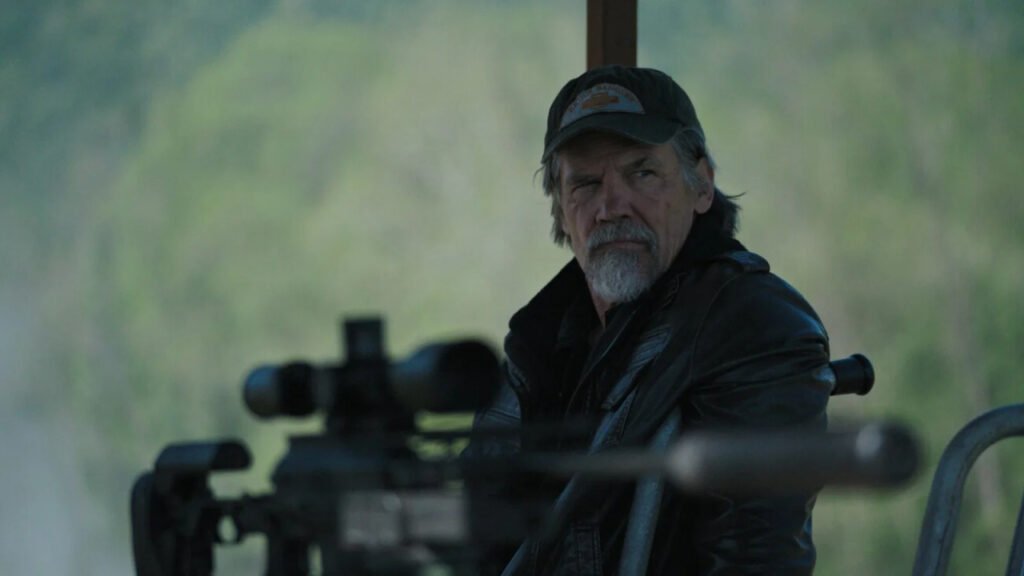
Ridley Scott has responded to criticism from John Mathieson, the cinematographer who worked with him on Gladiator and several other films. Mathieson recently called Scott’s habit of shooting with a large number of cameras “really lazy,” questioning whether the approach leaves enough room for traditional cinematography and lighting.
Scott clearly does not agree. While promoting The Dog Stars, the director dismissed the criticism and defended the technique that has become a defining part of his modern filmmaking process.
Ridley Scott Defends His Multi-Camera Approach
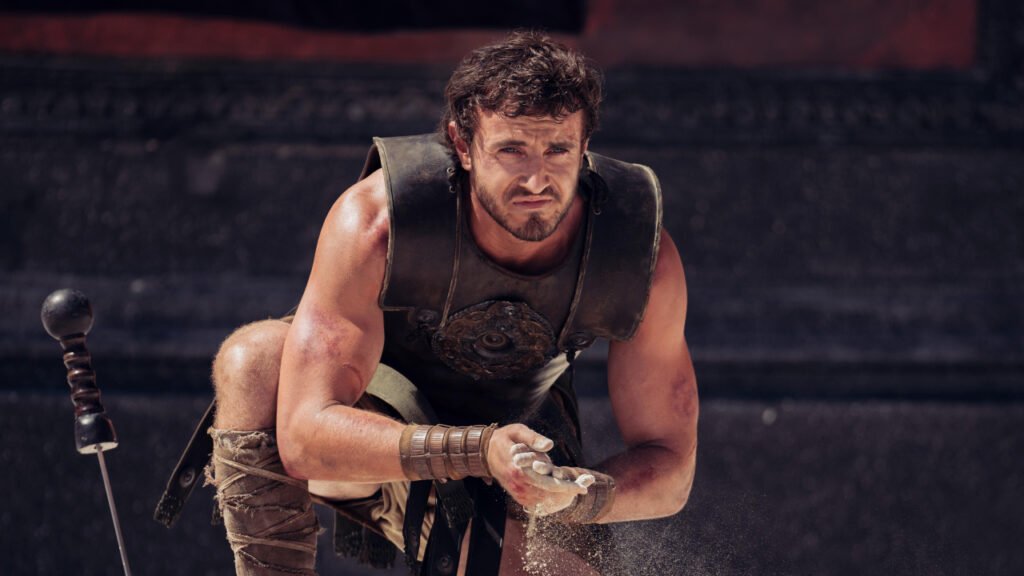
Mathieson’s comments came during an appearance on The DocFix Documentary Storytelling podcast, where he discussed the increasing use of multiple cameras in modern filmmaking. He took particular issue with Scott’s reported use of as many as 11 cameras on some scenes.
“It’s really lazy,” Mathieson said. “It’s not very good for cinematography… [You] can only light from one angle. Look at his older films and getting depth into things was very much part of lighting. You can’t do that with a lot of cameras but he just wants to get it all done.”
Mathieson also argued that the approach can create technical problems in post-production because additional cameras, lighting equipment, and boom microphones can end up appearing in wider shots. Those elements then have to be removed digitally.
He later suggested that his remarks had been edited to make them sound more directly aimed at Scott, saying his broader criticism concerned the direction of digital filmmaking. Scott’s reaction, however, was much less forgiving.
“Stupidest thing he could possibly have said,” Ridley Scott told Discussing Film. “Because I’m using multi-camera I’m lazy? You’ve got to know where to put them. I’m blessed with a very good eye.”
Scott’s argument is that using multiple cameras does not eliminate the need for careful planning. Instead, he believes it allows him to capture different angles within the same performance, reducing the number of times actors have to repeat emotionally demanding scenes.
The director has used the technique extensively throughout his later career, and his defense suggests he sees it as a practical filmmaking tool rather than a shortcut.
The dispute appears to have permanently changed his relationship with Mathieson. Speaking to Dazed about whether he would work with his former cinematographer again, Scott was blunt.
“He said something really extraordinary on a podcast. I thought, ‘What?! WHAT!!!’ And that was it. Sorry, dude. That’s it,” Scott said.
He added, “Maybe he’d had a few pints.”
Scott’s current cinematographer on The Dog Stars, Erik Messerschmidt, has taken a different view of the process. The film used an eight-camera setup, and Scott said Messerschmidt responded positively to the method.
“I think he quite liked it,” Scott said.
The disagreement ultimately comes down to two very different ideas about what modern filmmaking should prioritize. Mathieson argues that large multi-camera setups can compromise lighting and visual depth, while Scott believes the system gives him more control over performance and coverage.
After decades of directing films on an enormous scale, Scott clearly has no intention of abandoning a technique he believes works. His former collaborator may not be convinced, but the director’s response makes his position unmistakable.