

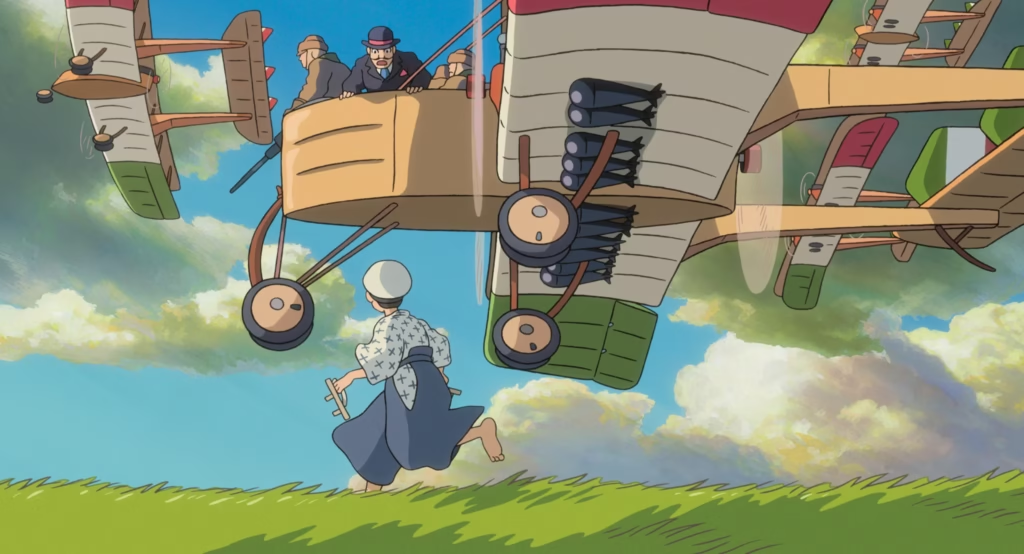
For decades, Hayao Miyazaki taught us to look to the sky on the wings of dragons, flying machines, and soot sprites. But when it came time to craft what was initially meant to be his final cinematic statement, Miyazaki completely grounded his art in the tragic reality of the 20th century.
Leaving the safety net of magical realism behind for the historical biopic The Wind Rises, the legendary director used the life of Mitsubishi Zero designer Jiro Horikoshi to confront the most difficult question of an artist’s life: what happens when your purest dream is weaponized by war?
Miyazaki Traded Studio Ghibli Magic for the Grit of 20th-Century History
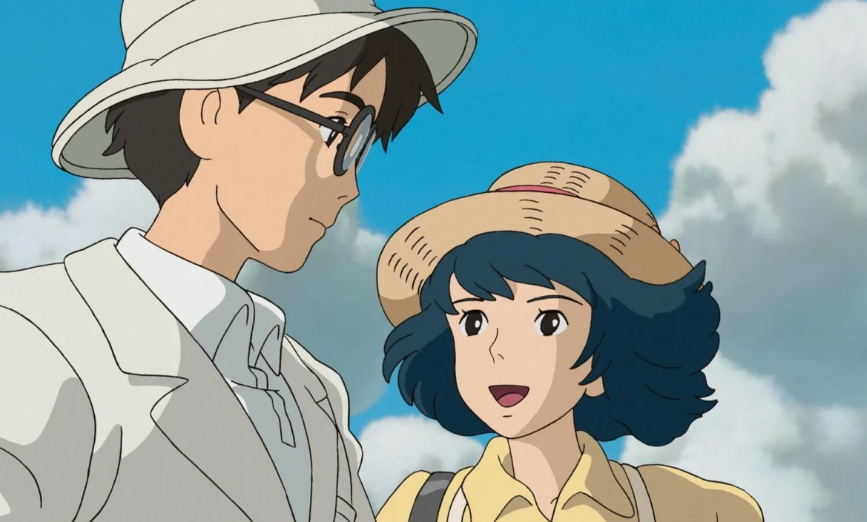
When I first watched The Wind Rises, the absence of spirits or sorcery felt jarring. Miyazaki was abandoning the very grammar that made masterpieces like Spirited Away or Howl’s Moving Castle legendary.
Yet, that pivot was essential. By stepping into the historical reality of Jiro Horikoshi, Miyazaki forced his audience and himself to confront the actual grit of early 20th-century Japan.
He meticulously recreates the devastating Great Kanto Earthquake of 1923 right at the start, stripping away any whimsical protection. In doing so, he forces us to engage with raw poverty, a sweeping tuberculosis epidemic, and the looming, suffocating shadow of fascism.
More importantly, I realized that this history wasn’t chosen at random. Miyazaki’s own father directed Miyazaki Airplane, a company that manufactured parts for the very fighter planes Jiro designed.
By telling this story, Miyazaki was interrogating the moral gray areas of his own lineage, loving the pure mechanics of aviation while staring down the horrific reality of what those machines ultimately did to the world.
How Dream Sequences and Romance Replace Traditional Villains
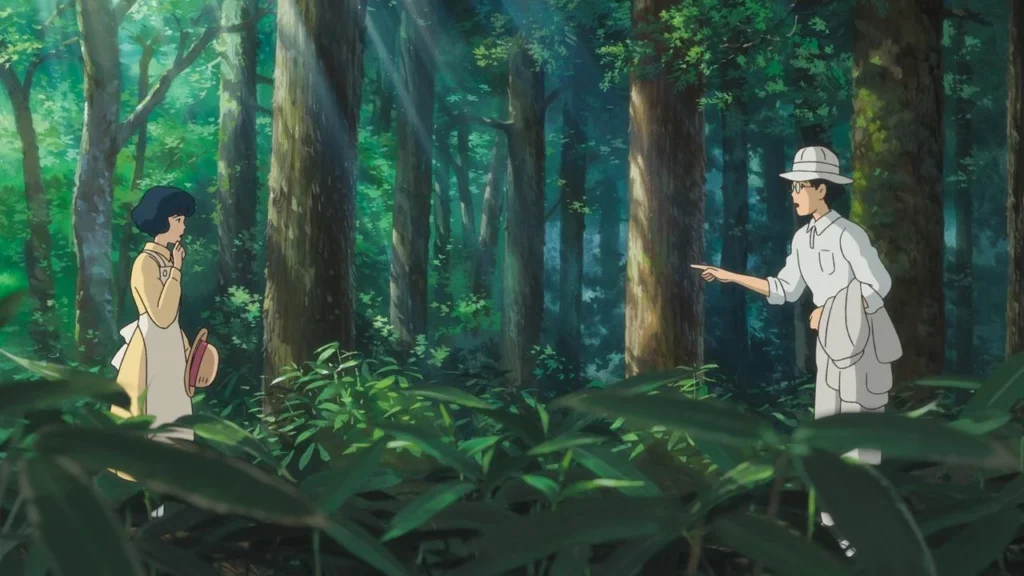
There are no traditional monsters or evil sorcerers in this film, and that’s precisely why it resonates with so many of us.
The antagonist isn’t a villain, but it’s time itself, and the inevitable corruption of an innocent dream. Jiro isn’t trying to save the world. He is desperately trying to build something magnificent in a world that is fundamentally broken.
To bridge this emotional divide, Miyazaki relies on dream sequences where Jiro connects with his idol, Italian aircraft designer Giovanni Battista Caproni. Those flights of imagination act as the psychological core of the film, a mentor reminding Jiro that airplanes are beautiful dreams, and that a creator’s ten years of peak productivity must be spent wisely.
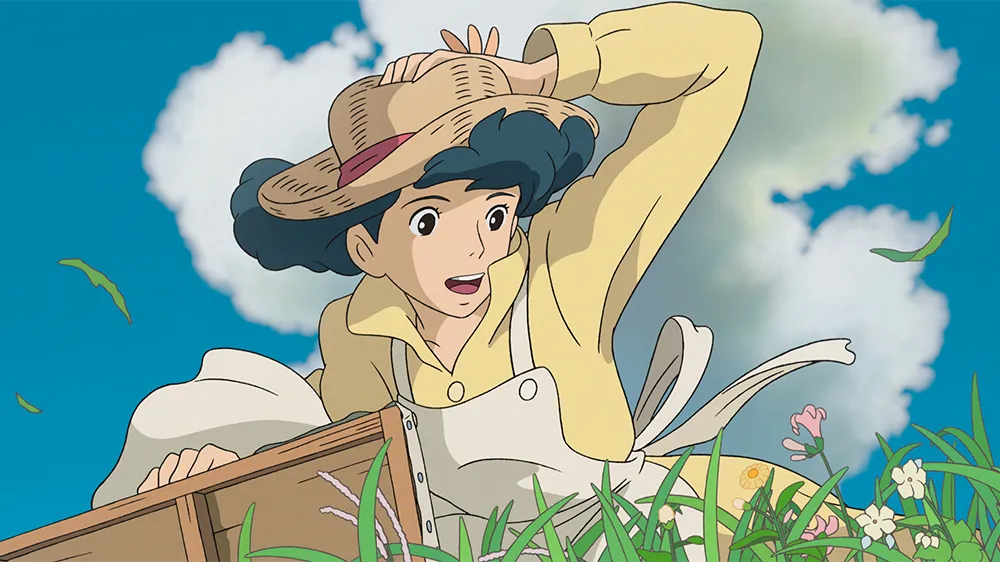
That artistic pursuit collides directly with his romance with Naoko Satomi. Watching Naoko choose to spend her final, tuberculosis-ravaged days supporting Jiro’s work provides a quiet realism that fantasy tropes would have completely obscured.
Read More: Verity Ending Explained: Why the Letter Is the Only Version You Can Trust
The Tragic Burden of Creating Art in a Broken World
In the film’s final act, the haunting imagery of the graveyard of planes brings Jiro’s journey to a sobering conclusion. He achieves his ultimate dream of engineering an aviation masterpiece, but he is left standing entirely alone amidst the ruins of the empire that demanded it.
For me, The Wind Rises remains Miyazaki’s bravest work because he refuses to offer a neat, happy ending. By turning to the true story of Jiro Horikoshi, Miyazaki delivered a mature, deeply personal final statement on the heavy, sometimes tragic burden of the artist, proving that reality can cut much deeper than any fairy tale.
You May Also Like:
Add us as a preferred source on Google.