

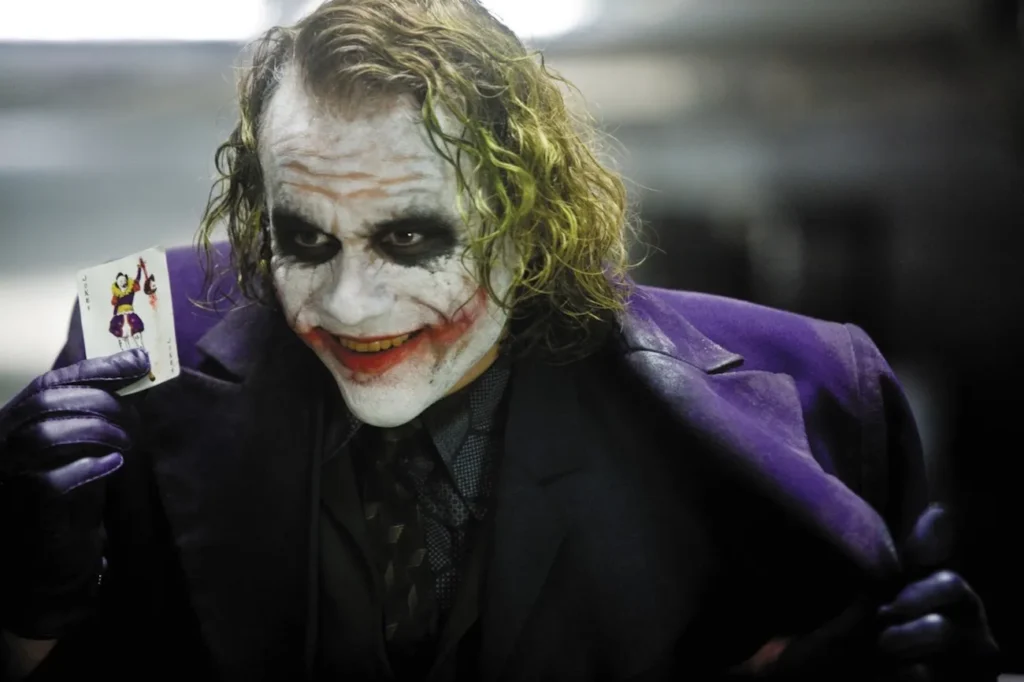
The Dark Knight ends with Batman riding into the night as a fugitive, Gotham technically saved, and the Joker locked away. On the surface, it looks like a clear victory for Batman. Looking deeper into the ending, though, the Joker achieves almost everything he set out to prove.
The biggest misunderstanding about the Joker in the film is treating him like a traditional crime boss or comic-book villain chasing power. That was never his goal.
Unlike villains shaped purely by tragedy, the Joker becomes obsessed with exposing what he believes already exists inside people. He watches Gotham ignore corruption, violence, and moral collapse while pretending everything is under control. In his eyes, society already sits on the edge of madness. People simply need pressure before their real nature appears.
The Joker Never Wanted to Kill Batman
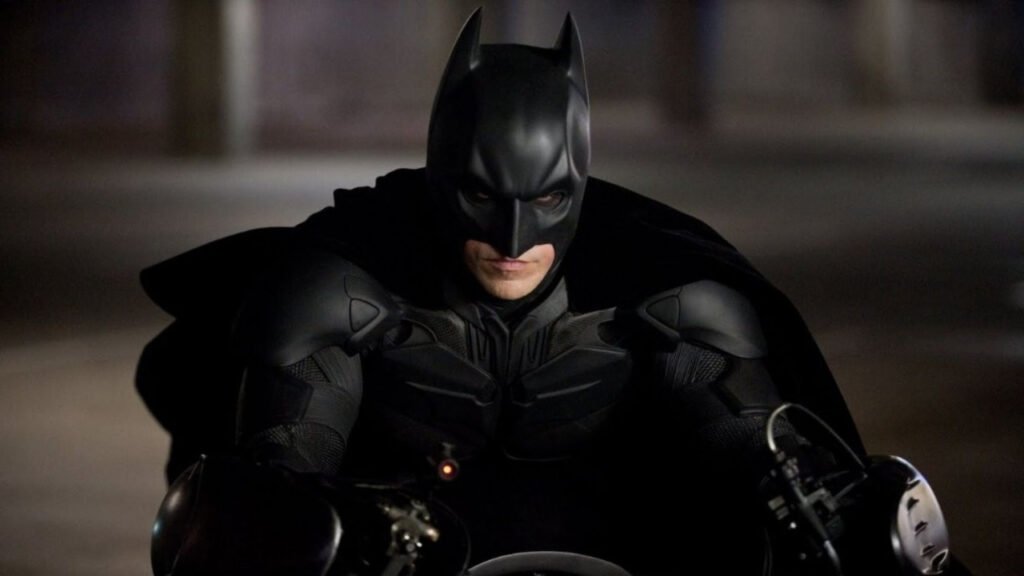
One of the clearest examples comes during the interrogation scene when the Joker tells Batman, “What would I do without you?” He genuinely means it. Killing Batman would destroy the entire experiment. Batman represents Gotham’s moral symbol, and the Joker spends the entire movie trying to break that symbol psychologically rather than physically.
He constantly places Batman under impossible pressure. If Batman reveals his identity, Gotham falls into chaos, and Batman stops being an idea larger than Bruce Wayne himself. If Batman kills the Joker, he abandons the moral code separating him from criminals. Every situation pushes Batman closer toward compromise.
The Joker’s worldview directly connects to the famous quote from Batman: The Killing Joke: “All it takes is one bad day to reduce the sanest man alive to lunacy.” Even though the quote comes from a different story, the philosophy remains identical. The Joker believes anyone can become like him once the world pushes hard enough.
The Ferry Scene Only Partially Defeats Him
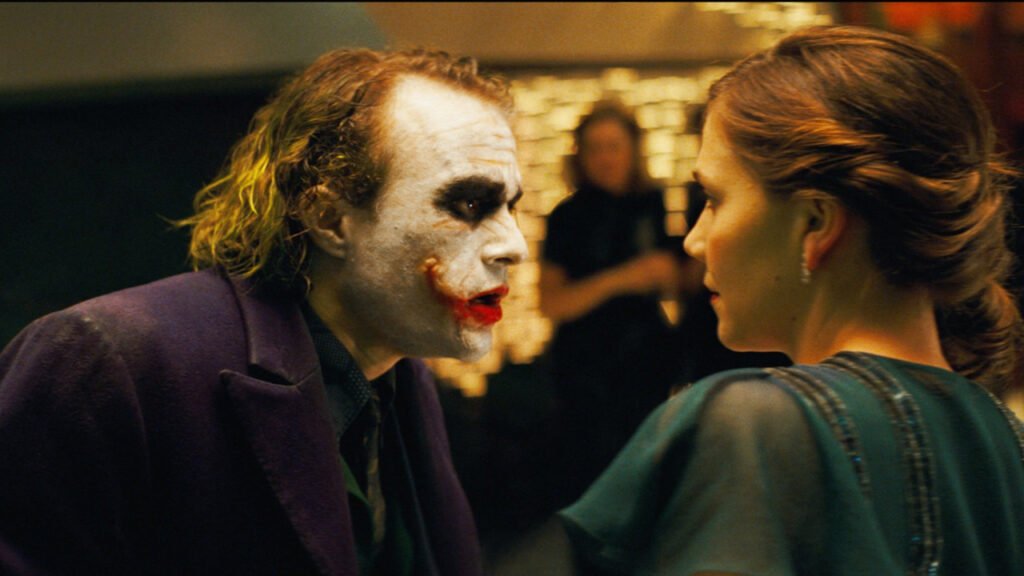
The ferry sequence often gets treated as proof that the Joker loses. Two ferries receive detonators and are told to destroy the other boat before midnight, or both vessels will explode. One ferry carries civilians. The other carries prisoners. Neither side presses the button.
On paper, humanity passes the test. The prisoners refuse to murder innocent people, and the civilians ultimately fail to go through with killing strangers. But the scene does not destroy the Joker’s argument the way many people claim.
His larger point was never that every single person would instantly become evil. He believed society’s moral systems were fragile and capable of collapsing under pressure. Gotham spends the entire film proving him partly right. Harvey Dent breaks. Batman compromises. Gordon lies to preserve hope. The city’s image of justice survives only because the truth gets buried.
Incase You Missed It: Is Joker’s Story Real or in His Head? The Ending Explained and Every Clue You Missed
The final cover-up matters more than many people realize. Batman takes responsibility for Dent’s crimes to preserve the illusion of Gotham’s White Knight. Gordon destroys the Bat-Signal. Gotham’s hope now rests on a carefully constructed lie.
The Joker wins philosophically even while sitting in custody. He forces Gotham’s heroes to abandon the truth to preserve order. The city survives, but only by compromising its own ideals.
In many ways, the Joker succeeds because he changes the definition of victory itself. He never needed to physically conquer Gotham. He only needed to prove that pressure changes people. By the end of the film, Batman, Dent, and Gotham itself all bend under that pressure in different ways.
Harvey Dent Is the Real Victory Lap
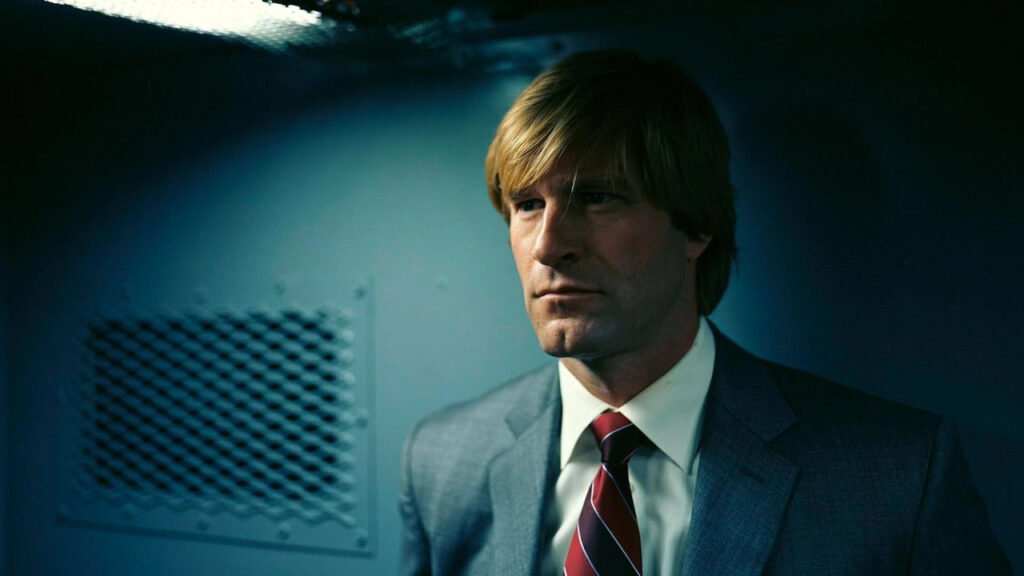
Batman, Gordon, and Gotham’s entire crime-fighting system were built around Harvey Dent. He was the White Knight, the symbol of lawful justice, and the reason Batman believed Gotham might eventually no longer need him. Dent represented the idea that the city could still save itself through honest institutions and people with clean hands.
The Joker systematically destroys that belief. He engineers Rachel’s death, leaves Dent physically scarred, and then psychologically tears apart whatever stability Harvey still has left. By the time Dent fully becomes Two-Face, Gotham’s greatest symbol of hope has turned into a man deciding life and death with a coin flip.
More importantly, Dent’s collapse proves the Joker’s core argument. Gotham’s best man becomes a murderer once enough pain, grief, and pressure enter his life. Dent does not become evil overnight. The Joker slowly pushes him toward the conclusion that fairness, morality, and justice are meaningless.
The transformation was never a side effect of the Joker’s plan. It was the plan itself. He never wanted to simply terrorize Gotham. He wanted to prove that morality breaks once people suffer enough.
Batman’s Choice Seals It
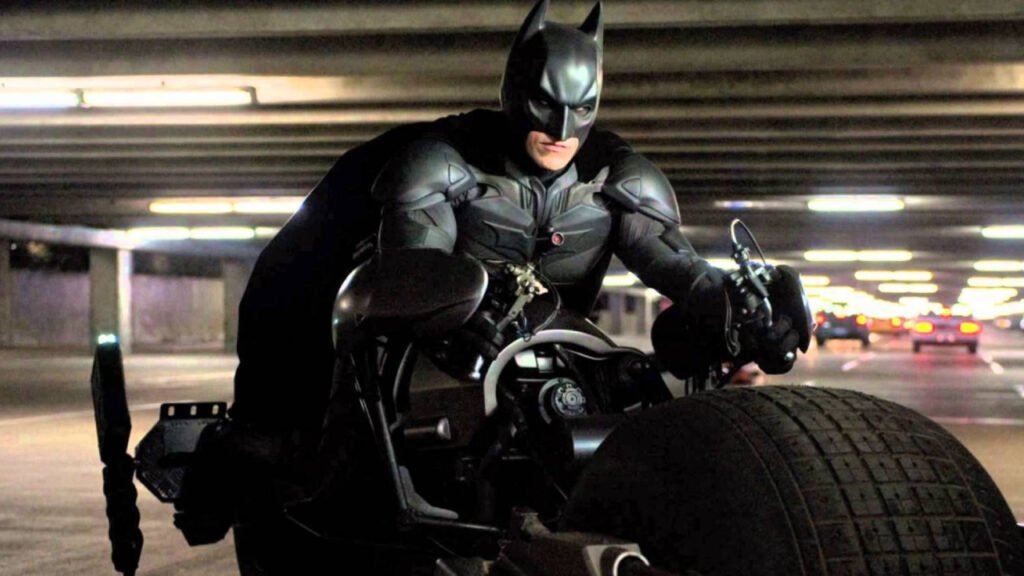
After Dent’s collapse, Batman and Gordon make the decision that ultimately proves the Joker’s argument. To stop Gotham from losing faith in Harvey Dent, they cover up his crimes and blame Batman instead. Gotham’s hope survives, but only because the truth gets buried.
Batman, the hero who refuses to kill or compromise, ends the film by compromising. Gordon destroys the Bat-Signal, Batman becomes a hunted fugitive, and Gotham’s entire moral foundation now rests on a carefully constructed lie.
The irony is exactly what the Joker spent the entire movie trying to expose. He believed civilization’s order was fragile and artificial, something people maintain only until pressure forces them into impossible choices. Gotham’s heroes respond to that pressure by abandoning the truth to preserve stability.
The Joker wins philosophically, even while sitting in a jail cell. He changes the rules of the conflict itself. By the end of the film, Gotham survives, but not without sacrificing the ideals Batman originally fought to protect.
Heath Ledger’s performance earned a posthumous Academy Award for Best Supporting Actor, and it is easy to understand why. He created a villain who wins by changing the definition of victory itself. The Joker is not defeated in that interrogation room. He is laughing because the ending has already been written.
You May Also Like
Add us as a preferred source on Google.
Conversation