

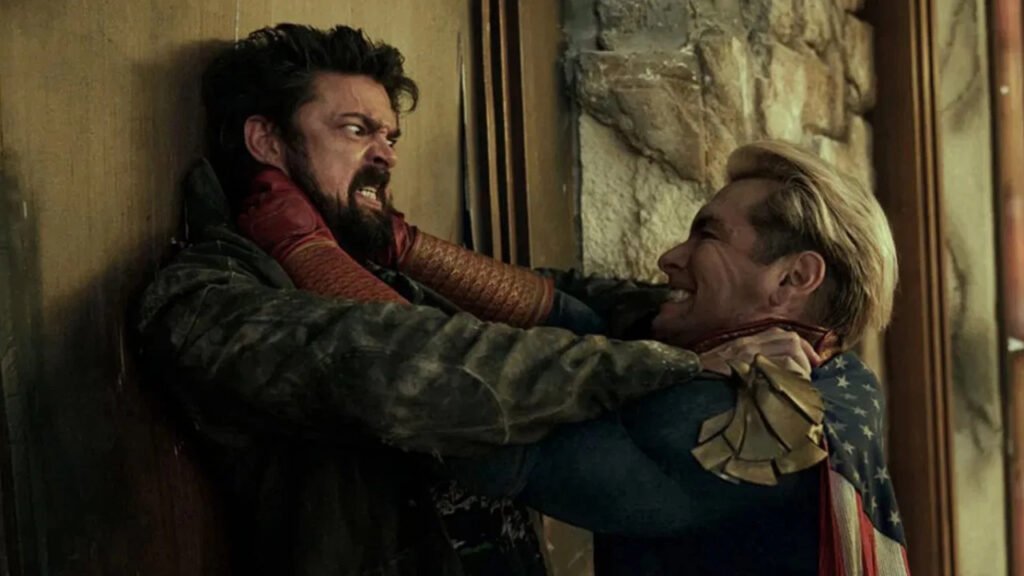
After five seasons of escalating chaos, political paranoia, and increasingly dangerous Supes, ‘The Boys‘ ended with an explosive but divisive finale. The final episode, ‘Blood and Bone,’ delivered the long-awaited death of Homelander, yet many viewers felt the series stopped short of the catastrophic payoff it had promised since 2019.
Fans praised Antony Starr‘s performance and Billy Butcher’s brutal final act. But, online discussions quickly shifted toward alternate endings that many believed would have matched the series’s darker tone more effectively. Several fan theories gained traction because they pushed the emotional and thematic consequences much further than the finale ultimately did.
5 – The Black Noir Twist Never Happened
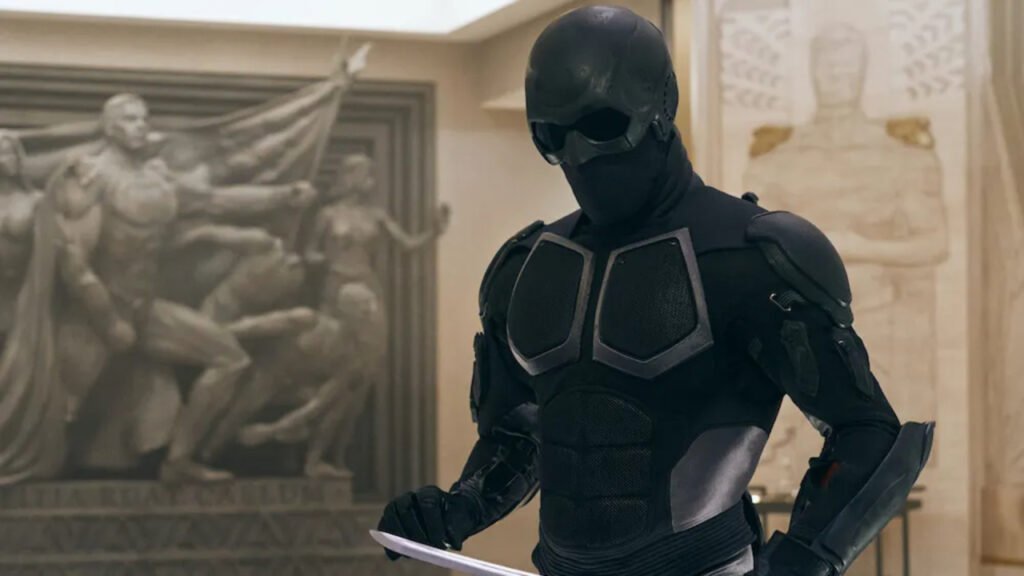
One of the biggest disappointments for longtime comic readers involved Black Noir. In Garth Ennis’s original comic series, Noir secretly serves as a clone of Homelander. Vought creates him as a contingency plan in case Homelander ever loses control.
The television adaptation hinted for years that Noir held greater importance. But the series never used the clone reveal. Fans believed this twist would have added a devastating psychological layer to Homelander’s downfall. Instead of another physical confrontation, Homelander would have discovered that Vought never truly viewed him as unique or irreplaceable. The realization that his closest ally existed solely as a backup weapon could have shattered him emotionally before the final battle even began.
4 – Homelander Never Became the Apocalypse the Series Promised
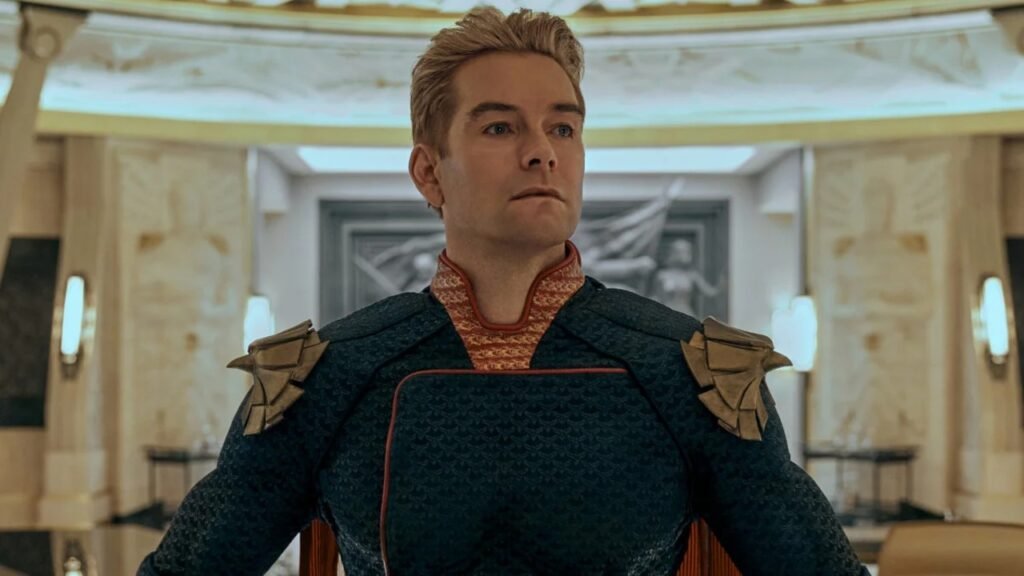
Throughout the series, Homelander functioned like a global nuclear threat. Governments feared him, corporations enabled him, and even The Boys avoided direct conflict whenever possible. Because of that buildup, many viewers expected the finale to spiral into worldwide chaos.
Fans wanted martial law, collapsing cities, anti-Supe military operations, and a complete breakdown of public order. Instead, the White House confrontation felt comparatively contained. The series repeatedly described Homelander as an extinction-level danger, yet the final episode never fully showed the world collapsing under that pressure.
3 – The Virus Lost Its Narrative Importance
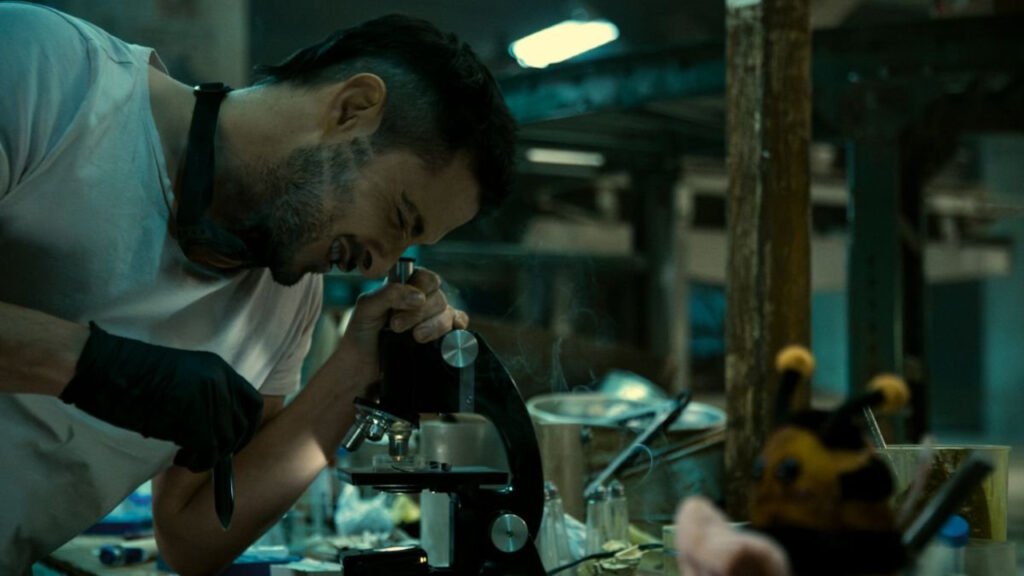
The Supe-killing virus dominated much of the final season. Characters treated it like the ultimate moral dilemma, especially Billy Butcher. The setup suggested the finale would force Butcher to choose between exterminating all Supes or sparing innocent people like Kimiko and Annie.
That decision never became the emotional centerpiece many expected. Fans believed the virus should have forced Butcher into an impossible ethical choice rather than remaining mostly secondary during the climax. The tension surrounding the virus carried enormous narrative weight, but the finale ultimately minimized its impact.
In Case You Missed It: Antony Starr Reveals the Reality of Milking a Cow for ‘The Boys’
2 – Soldier Boy Should Have Depowered Homelander
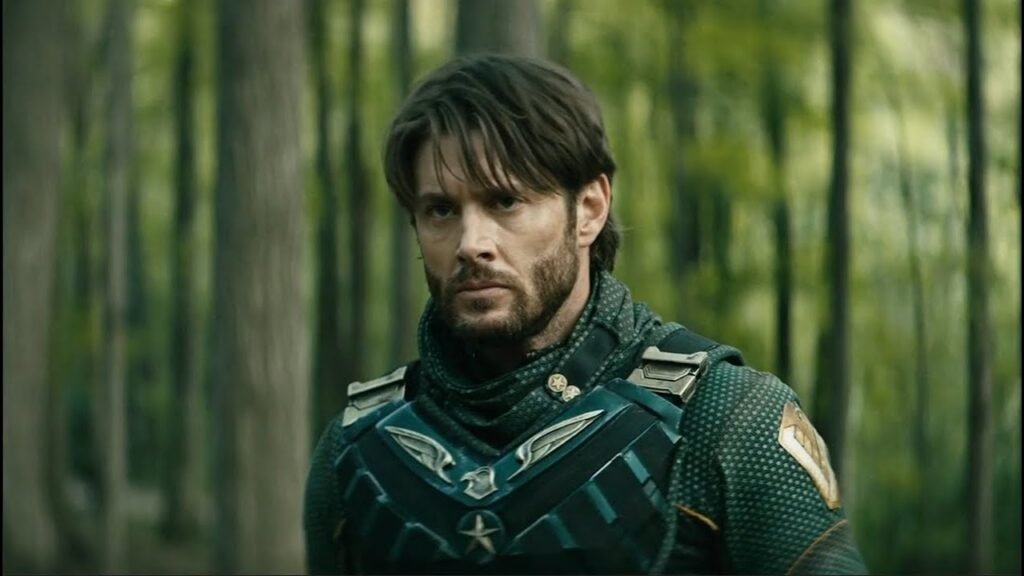
The finale revealed that Kimiko’s radiation-charged attack permanently stripped Homelander of his powers before Butcher killed him. While many viewers enjoyed the twist, others argued Soldier Boy should have delivered that moment instead.
Homelander spent his entire life seeking approval from Soldier Boy, the father figure who constantly rejected him. Having Soldier Boy remove Homelander’s powers in front of the world would have completed the series’ recurring themes surrounding masculinity, insecurity, and emotional abuse. Fans viewed that possibility as far more personal and emotionally devastating.
1 – A Darker Ending Matched the Series Better
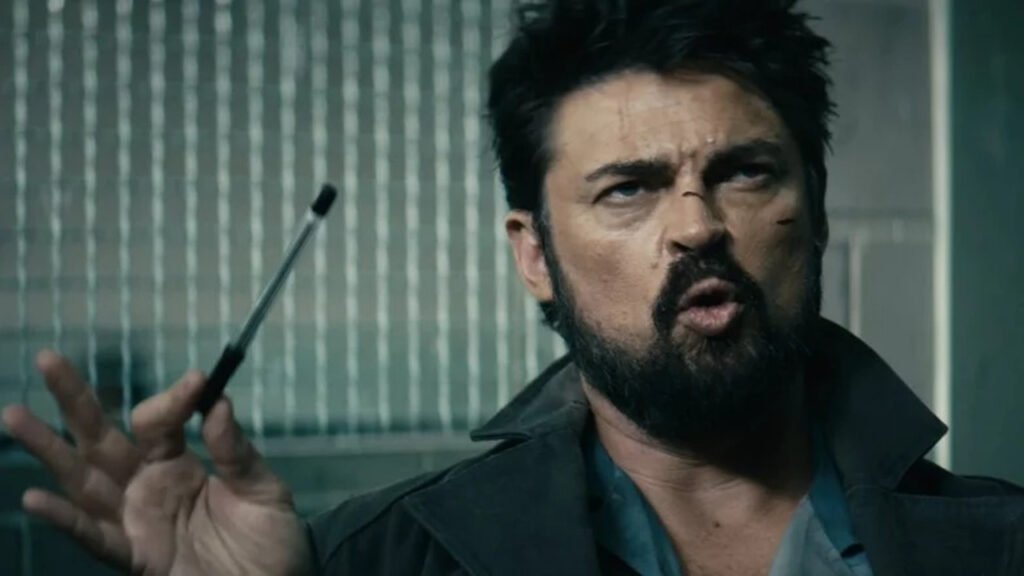
The most popular alternate ending online involved total societal collapse after Homelander’s death. In this version, Butcher still wins, but the consequences become irreversible. Cities remain destroyed, thousands die, and governments impose authoritarian anti-Supe crackdowns worldwide.
That ending appealed to many viewers because ‘The Boys’ rarely presented optimistic outcomes. The series consistently argued that violence creates more violence. Fans believed the finale should have fully embraced that philosophy rather than ending with a comparatively controlled resolution.
You May Also Like
Add us as a preferred source on Google.
Conversation