

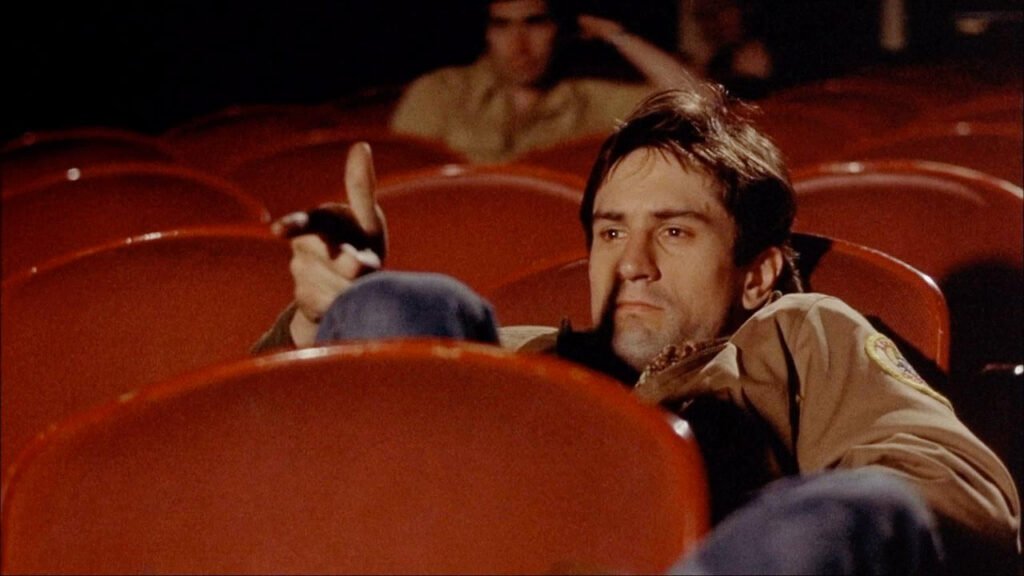
When audiences first met Travis Bickle in Martin Scorsese‘s ‘Taxi Driver‘, they encountered one of cinema’s most unsettling protagonists. Played by Robert De Niro, the insomniac Vietnam veteran spends his nights driving a cab through the grimy streets of 1970s New York City, watching what he sees as a society consumed by corruption, loneliness, and moral decay. As his frustration grows, so does his detachment from the world around him.
What makes Travis such a lasting character, however, is not the violence that eventually defines him. Beneath the paranoia and instability lies a man desperate for connection. He falls for Betsy, struggles to understand social norms, and watches the relationship collapse despite his attempts to make things right. That sense of rejection and alienation is precisely what Martin Scorsese and screenwriter Paul Schrader believed made Travis so relatable. Most people will never follow his path, but many understand the loneliness, heartbreak, and feeling of being out of step with the world that drive him there.
The Personal Experience Behind Travis Bickle
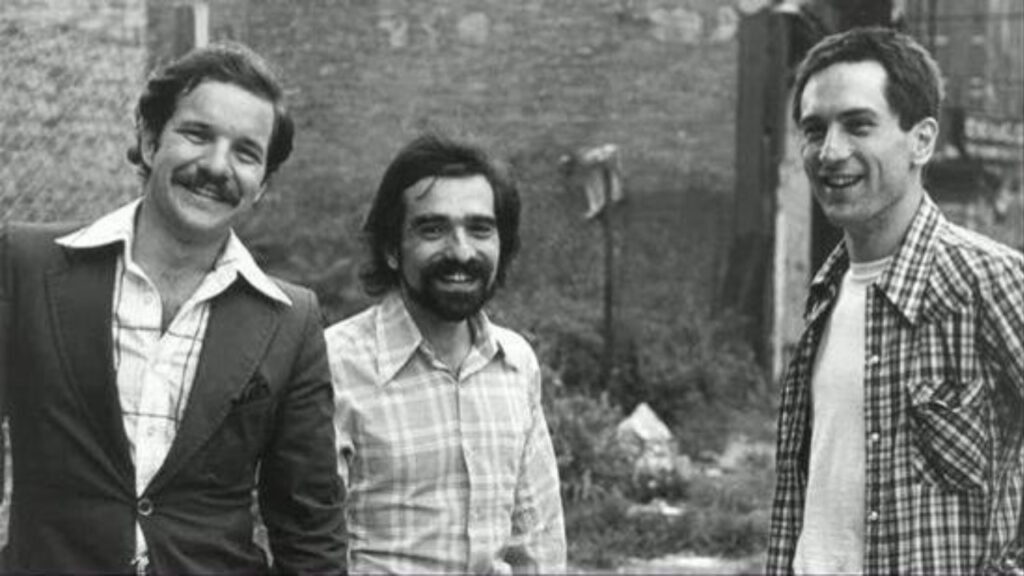
Long before ‘Taxi Driver’ reached theaters, Paul Schrader poured his own struggles into the screenplay. At the time, the writer was going through a painful period in his life. He had separated from his wife, isolated himself from friends, and spent nights sleeping in his car. That loneliness eventually became the foundation for Travis Bickle. Schrader later admitted that writing the screenplay became a way of confronting emotions he could no longer ignore.
“I had to create this character, or else I was going to become him,” Schrader famously said.
Scorsese immediately understood what Schrader had captured on the page. While Travis existed in extreme circumstances, the director never viewed him as a completely unique case. Instead, he saw him as an exaggerated version of emotions that many people carry within themselves.
From the opening scenes, Travis moves through a city filled with millions of people, yet remains completely alone. He wants connection, but he lacks the tools to create it. That contradiction sits at the heart of the character and explains why audiences continue to respond to him decades later.
The Scene That Explained Everything
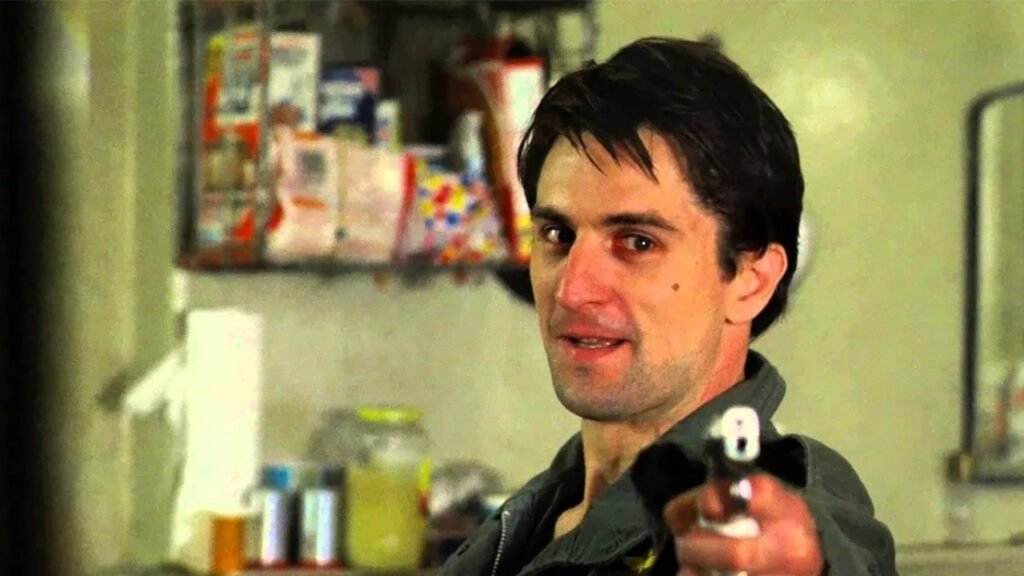
One of the most memorable moments in ‘Taxi Driver’ arrives after Travis sabotages his relationship with Betsy, played by Cybill Shepherd.
After taking her to an inappropriate movie on their first date, he calls to apologize and ask for another chance. The conversation quickly becomes awkward, and Betsy rejects him. Instead of keeping the camera focused on Travis, Scorsese makes an unusual directorial choice. As Travis struggles through the phone call, the camera slowly drifts away and settles on an empty hallway.
The shot has become one of the film’s most discussed moments. Scorsese later explained that he moved the camera because the scene felt almost too painful to watch directly. The rejection carried a level of embarrassment and vulnerability that made even the filmmaker uncomfortable.
That sequence reveals why Travis remains such a compelling character. For a brief moment, viewers stop seeing him as a future killer and instead recognize a person dealing with rejection, loneliness, and heartbreak. Those emotions feel painfully familiar, even if his later actions do not.
In Case You Missed It: Why John Cena Needed Credit Cards To Survive His Early WWE Days
Why Travis Bickle Still Feels Relevant Today
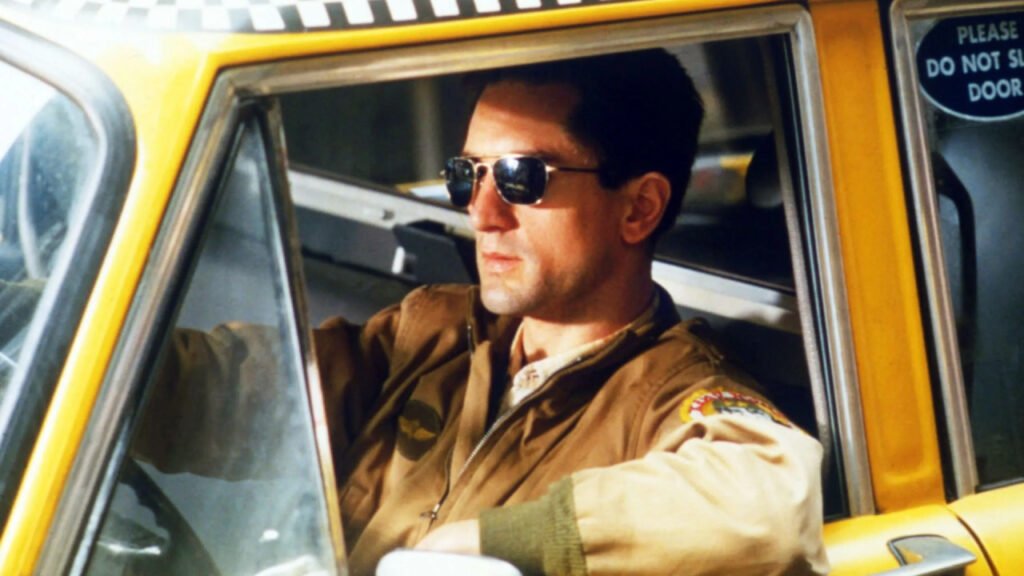
Nearly 50 years after ‘Taxi Driver’ premiered, Scorsese believes the character remains relevant for a troubling reason. Reflecting on the film during a conversation with GQ, the director argued that the emotional state driving Travis has become increasingly common in modern society.
“Ultimately, what stayed with us was the psychological and emotional state of that character,” Scorsese explained. “As we know now, tragically, it’s a norm every other person is like Travis Bickle now.”
Scorsese was not suggesting that people share Travis’s violent tendencies. Instead, he pointed to the loneliness, anxiety, and social disconnection that increasingly define modern life. The world looks very different than it did in 1976, but the feeling of drifting through life without genuine connection remains familiar to many people. That is why Travis continues to resonate long after the film’s release.
His story serves as an extreme warning, but the emotions beneath it feel remarkably ordinary. According to Scorsese, that uncomfortable truth is exactly what makes Travis Bickle such a powerful and enduring character.
You May Also Like:
Add us as a preferred source on Google.
Conversation