

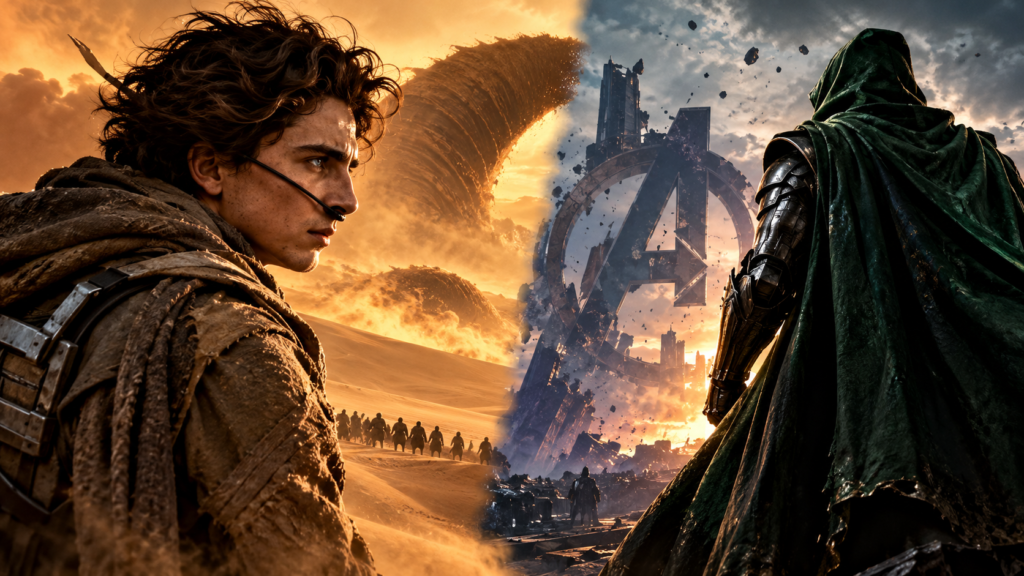
BREAKING NEWS: Dunesday is over?!
That was quick. We haven’t even reached December 18, and apparently someone has already decided which movie gets to celebrate.
An October 24 report from SFF Gazette cites box-office tracker EmpireCity Box Office, which says:
If those figures hold, Marvel Studios could enjoy a commanding opening weekend. But then there’s this: Who cares?!
Sure, that’s significant news. Opening-weekend box office is an important indicator of commercial success, particularly for expensive studio productions. It reflects demand, marketing effectiveness, and the audience’s willingness to show up immediately.
But the headline invites a peculiar conclusion: that Marvel’s success somehow diminishes Dune’s prospects. Since when did two movies need to sell the same number of tickets for both to succeed?
Hollywood has been searching for another Barbenheimer since 2023, when two seemingly incompatible movies became the summer’s biggest shared cultural experience. Now, Avengers: Doomsday and Dune: Part Three are arriving on the same Friday, bringing two enormous fan bases to theaters.
Marvel might win the weekend by a considerable margin. That wouldn’t make Dunesday a failure. It could mean audiences are enthusiastic enough about two different kinds of blockbuster filmmaking to make both movies successful.
And the reasons people are buying those tickets deserve a closer look.
The Russo Brothers Are Part of Marvel’s Biggest Selling Point
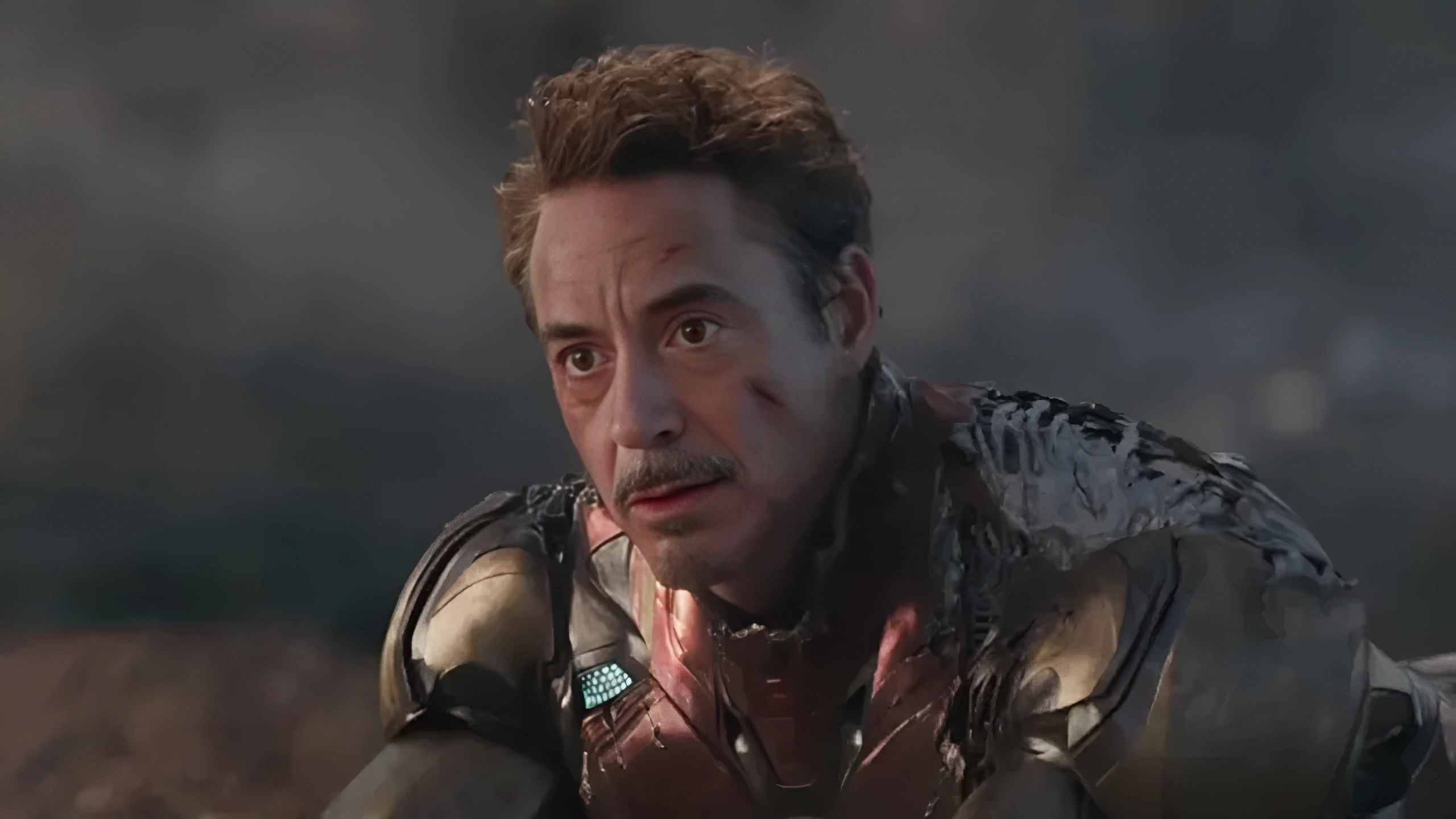
Doctor Doom is finally coming to the Marvel Cinematic Universe, with Robert Downey Jr. trading Tony Stark’s armor for the mantle of Victor von Doom. That’s enough to sell plenty of tickets.
But Marvel fans aren’t merely waiting for Doom. They’re waiting for Anthony and Joe Russo.
The brothers directed Captain America: The Winter Soldier (2014), Captain America: Civil War (2016), Avengers: Infinity War (2018), and Avengers: Endgame (2019). Their last two Marvel films brought years of interconnected storytelling to an emotional conclusion, culminating in a finale that became a defining theatrical experience for an entire generation of fans.
Since Endgame, Marvel’s Multiverse Saga has struggled to maintain that sense of direction. Scratch that: it farted and fell down one of Doctor Strange’s portals! Some projects have been successful, others divisive, and the sheer volume of interconnected storytelling has occasionally made keeping up feel like homework.
The Russos represent something fans remember fondly: Marvel at its most confident. Just ask Kevin Feige.
Their return carries the promise that somebody knows where all these characters are going. It also recalls an era when an Avengers movie could turn a packed theater into a room full of people gasping, cheering, and occasionally crying together.
Then there’s Doctor Doom himself, whose cinematic history has been considerably less glorious than his comic-book reputation.
Marvel Comics introduced Victor von Doom in Fantastic Four #5 in 1962. Created by Stan Lee and Jack Kirby, Doom was a ruler, scientist, sorcerer, and villain whose intellect rivaled his arrogance. The 2005 Fantastic Four adaptation, starring Julian McMahon as Doom, gave audiences a much narrower version of the character.
More than two decades later, fans are still waiting for the definitive cinematic Doctor Doom. So, yes, ticket sales may favor the Lord of Latveria. Annnnnd?
Put Downey’s casting alongside the Russos’ return, and Marvel has assembled an extraordinary combination of nostalgia, curiosity, and confidence in familiar filmmakers. That’s marketing built on years of audience investment.
The presales are evidence that it’s working. Whether the movie delivers the experience those fans remember is another question.
Denis Villeneuve Has Made the Supposedly Impossible Look Easy
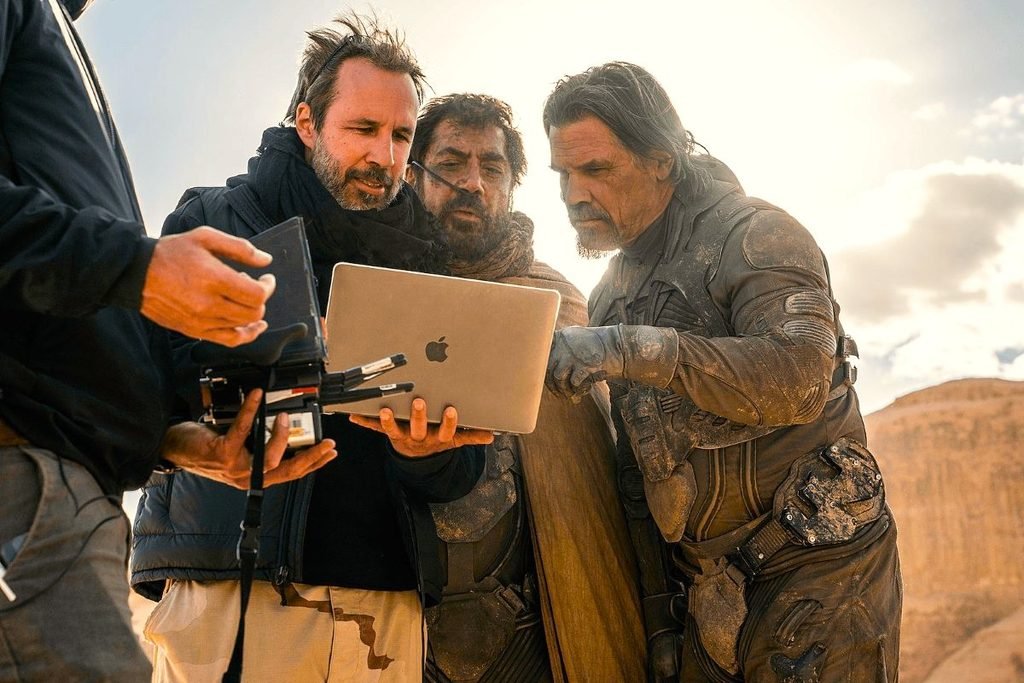
Meanwhile, Denis Villeneuve has spent years doing something Hollywood struggled to accomplish for decades: bringing Frank Herbert’s Dune to the screen without losing the strange, difficult qualities that made the novels worth adapting.
This is where a little geek history matters.
- Alejandro Jodorowsky famously attempted an extravagant Dune adaptation in the 1970s that never reached production.
- David Lynch’s 1984 film, despite its memorable imagery and enduring admirers, struggled to translate Herbert’s sprawling narrative into a satisfying theatrical experience.
- The Sci-Fi Channel’s 2000 miniseries gave the material more room, but not the cinematic scale Villeneuve eventually achieved.
For years, Dune carried a reputation as one of science fiction’s most difficult adaptation challenges. The ironic thing is that adapting Dr. Doom has proven much more difficult.
Herbert’s universe demands an understanding of religion, ecology, colonialism, political dynasties, prophetic manipulation, and the economics of a substance that makes interstellar civilization possible. Even readers who love the novels occasionally need to revisit a passage to remember which faction is plotting against whom.
Fans of Liu Cixin’s The Three-Body Problem trilogy know the feeling. Netflix’s 3 Body Problem introduced another famously dense science-fiction universe to streaming audiences in 2024. Shout-out to everyone who finished the season and immediately searched for an explanation of what they’d just watched.
Villeneuve’s achievement is that his Dune films rarely feel like illustrated textbooks.
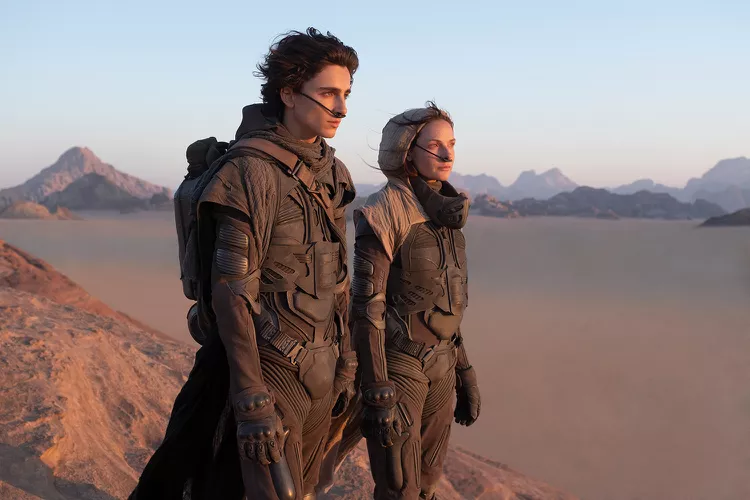
Working with cinematographer Greig Fraser on the first two installments, composer GOAT Hans Zimmer, production designer Patrice Vermette, and an extraordinary group of performers and craftspeople, Villeneuve created a visual and auditory vocabulary for Herbert’s world.
The architecture communicates power. The sound conveys religious awe and military terror. A distant figure against an enormous landscape can tell us more about a character’s insignificance than several minutes of dialogue.
Then there’s Timothée Chalamet as Paul Atreides.
Across Dune (2021) and Dune: Part Two (2024), Chalamet takes Paul from frightened aristocratic heir to a figure whose growing authority becomes increasingly unsettling. Zendaya‘s Chani gives that transformation an emotional counterweight, challenging the audience to question what everyone else seems so eager to worship.
That tension is precisely what makes Dune: Part Three intriguing.
Based on Herbert’s Dune Messiah, the conclusion must explore what happens after the apparent hero achieves his destiny. The consequences of Paul’s victory are far more complicated than the triumph audiences might expect from a conventional blockbuster.
Villeneuve isn’t simply delivering another adventure on Arrakis. He’s approaching the part of Herbert’s story that forces us to reconsider the victories we’ve already celebrated.
For fans invested in these characters, the anticipation comes with genuine anxiety. They know this isn’t necessarily going to end happily, and Villeneuve has given them every reason to care.
What Barbenheimer Actually Taught Us
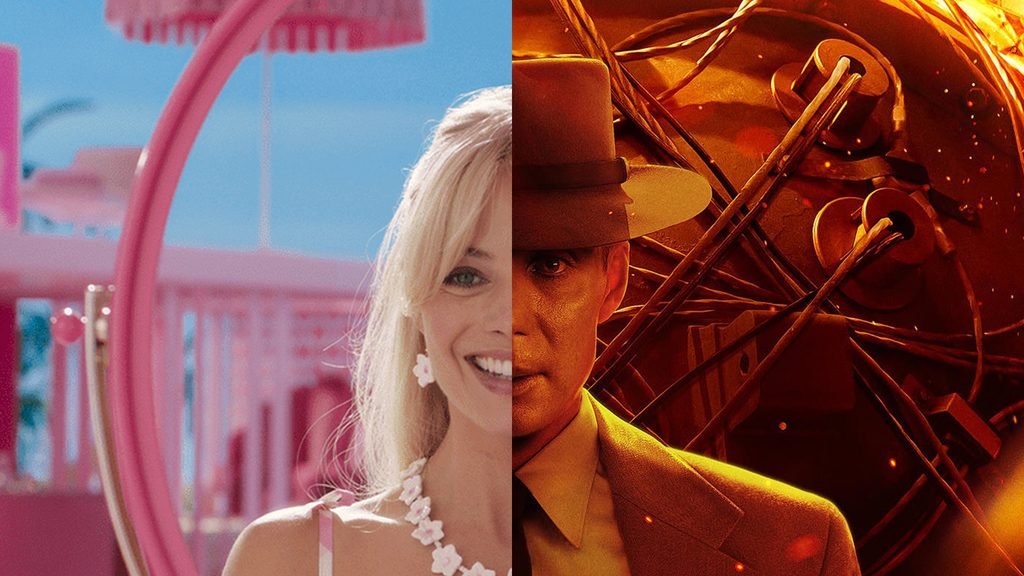
Remember July 2023?
Warner Bros.’ Barbie, directed by Greta Gerwig, arrived opposite Universal Pictures’ Oppenheimer, directed by Christopher Nolan. The two films couldn’t have looked more different, which became part of the fun.
Audiences made double-feature plans. They debated viewing order, created memes, dressed for the occasion, and turned a release-date coincidence into a cultural event.
The box-office results weren’t equal. Barbie earned substantially more worldwide than Oppenheimer. Yet both became enormous commercial successes relative to their production budgets.
Then Oppenheimer won seven Academy Awards, including Best Picture and Best Director.
Nobody needed to declare Barbie the loser of the artistic competition because Nolan took home the biggest Oscar. Nor did Oppenheimer’s smaller box office make it a commercial disappointment.
Both movies mattered, and both benefited from the attention surrounding their shared release date. That’s the lesson worth remembering as Dunesday approaches.
A film’s commercial success isn’t determined by whether it outsells the movie opening next door. Budgets, audience expectations, theatrical legs, international performance, and premium-format demand all affect the eventual financial picture.
The reported presales already suggest substantial interest in both Avengers: Doomsday and Dune: Part Three. Marvel’s larger numbers may establish which movie commands the bigger opening-weekend audience, but they don’t establish that Villeneuve’s film is underperforming.
To make that judgment, we’d need more than a ratio comparing the two.
The Russo Brothers and Villeneuve Aren’t Making the Same Movie
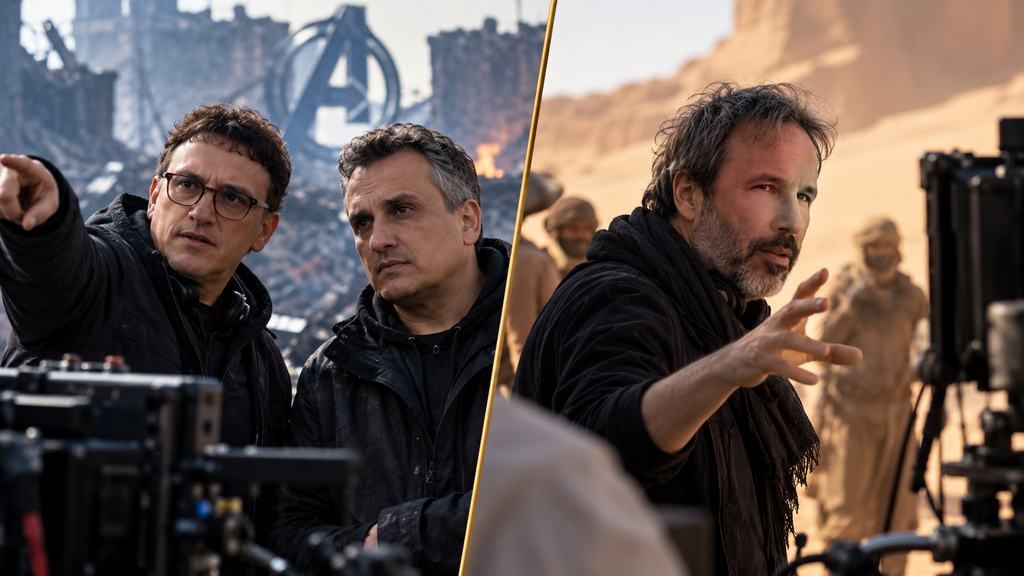
There’s another reason the scoreboard approach feels inadequate: these filmmakers are tackling different creative assignments.
The Russos specialize in orchestrating enormous ensembles. Their Marvel films depend on carefully timed revelations, character relationships developed across multiple movies, and action sequences that remain understandable despite the number of people involved.
Infinity War is an impressive example. Thanos moves through several interconnected storylines while familiar heroes confront threats in different locations. The film has to keep all those pieces moving without losing the audience.
The Russos didn’t write those Avengers screenplays; Christopher Markus and Stephen McFeely did. But directing that material required a tremendous command of pacing, performance, and visual storytelling.
Villeneuve’s work operates differently.
His Dune films emphasize atmosphere, scale, political consequences, and the unsettling relationship between faith and power. He’s also a credited screenwriter on the adaptations, working to translate Herbert’s ideas into cinematic language.
The Russos are building toward another major event in an ongoing cinematic universe. Villeneuve is bringing his adaptation of a difficult literary saga to its conclusion. Neither assignment is easy. Both demand exceptional collaboration, and each offers audiences something the other cannot. Their differences are precisely why the shared release date is interesting.
If Marvel delivers another thrilling ensemble adventure while Villeneuve completes a visually extraordinary and emotionally devastating trilogy, moviegoers will have two compelling reasons to visit theaters.
We should be so lucky.
Dunesday Could Give Hollywood Two Winners
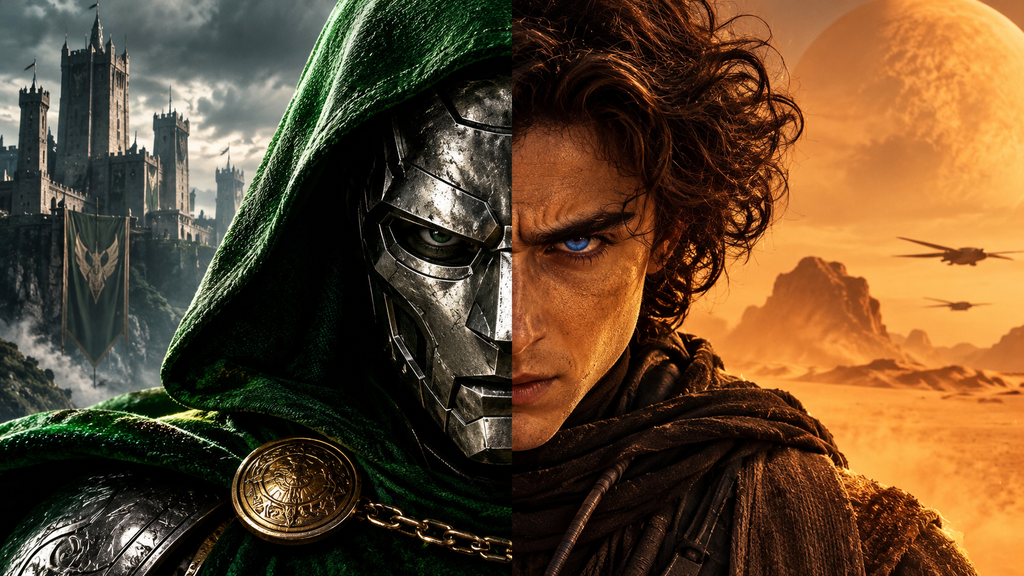
There’s a strong possibility that Avengers: Doomsday will dominate the December 18 opening weekend. The reported advance-ticket advantage makes that a reasonable expectation.
There’s also good reason to anticipate a successful theatrical run for Dune: Part Three. The first two films established a substantial audience, earned major industry recognition, and proved that Herbert’s demanding material could attract moviegoers far beyond the books’ existing readership.
The previous Dune films also give the third installment credible awards potential, particularly in technical categories. Whether it earns Oscar nominations, or how the Academy ultimately responds, remains to be seen.
Marvel has its own artistic ambitions. The Russos are returning with a tremendous amount to prove, and the enthusiasm surrounding their comeback is deserved.
Opening-weekend sales will tell us something important about both productions. They just won’t tell us everything.
We won’t know which scenes stay with audiences, which performances spark conversations, or whether Villeneuve and the Russos have delivered the films their fans hoped for until people actually see them.
Hollywood spent years trying to recreate the excitement of Barbenheimer. With Dunesday, it may finally have another opportunity to celebrate the opening of two major movies together.
It would be a shame to spend that opportunity arguing that only one of them is allowed to win.
You May Also Like:
Add us as a preferred source on Google.