

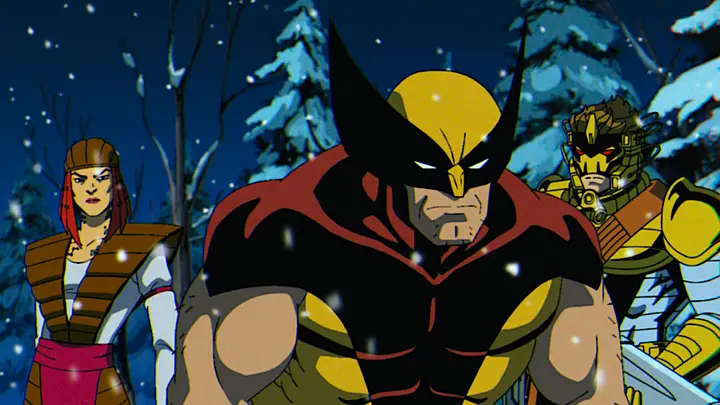
X-Men ’97 proved that superhero animation doesn’t have to pull its punches. Its blend of high-stakes drama, heavy themes of persecution, and classic comic-book action left a massive void between seasons. Whether you want darker, mature themes or deep-cut superhero lore, here are ten standout animated shows to stream next while waiting for Season 2.
10. Spawn: The Animated Series
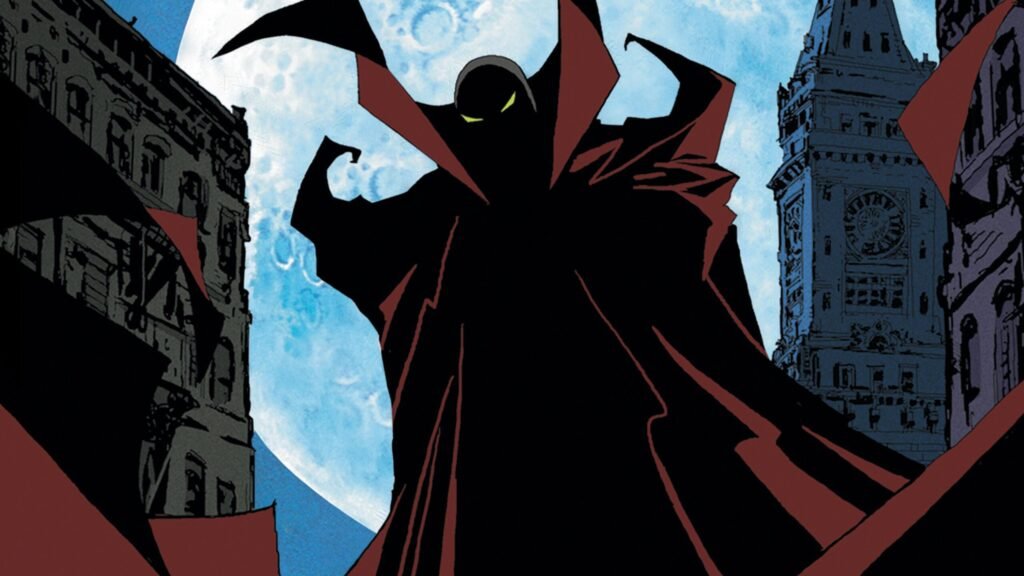
Todd McFarlane brought his comic to HBO for a genuinely adult animated series, years before that became a common pitch.
Keith David voiced Al Simmons with a weariness that matched the show’s bleak tone, and the series never shied away from graphic violence or moral ambiguity. It stands as one of the earliest proofs that superhero animation could work outside a kids’ programming block.
The show’s willingness to sit with damnation, corruption, and grief set it apart from nearly everything airing alongside it in the late ’90s. That same appetite for mature stakes is part of what made Invincible possible decades later.
For viewers who want to see how far animated superhero storytelling can push its content, this remains one of the boldest experiments the genre has produced.
9. Batman: The Animated Series
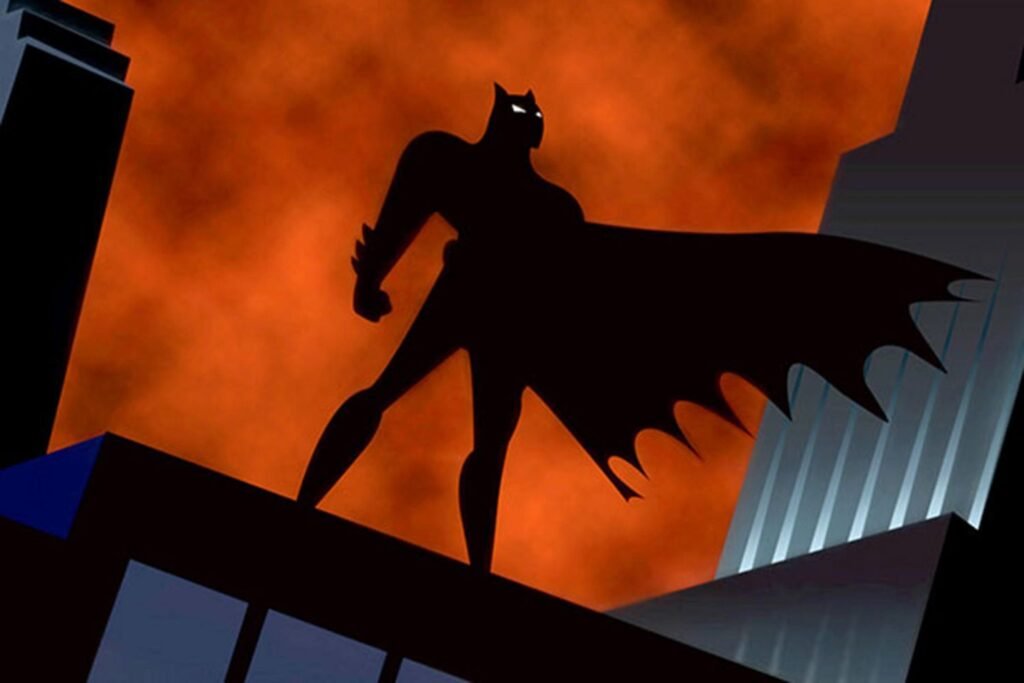
Bruce Timm and Eric Radomski’s art deco redesign of Gotham changed what a superhero cartoon could look like, and its influence runs through nearly every show on this list.
Kevin Conroy’s Batman and Mark Hamill’s Joker became the definitive versions of both characters for a generation. The show treated its villains as tragic figures as often as menaces, giving Mr. Freeze and Harley Quinn depth rarely afforded to Saturday morning antagonists.
It launched the DC Animated Universe that Justice League Unlimited would later cap off, making it foundational viewing for understanding that whole continuity. Its noir sensibility gave Gotham a mood distinct from any other DC adaptation before or since.
Anyone drawn to the moodier, more mature stretches of X-Men ’97 should start here next.
8. Wolverine and the X-Men
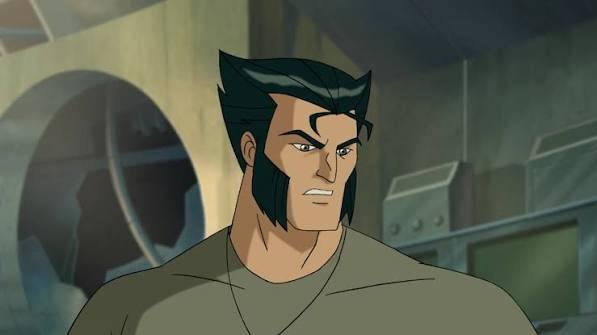
Craig Kyle and Greg Johnson built this series around Wolverine reluctantly stepping into a leadership role after Professor X vanishes, which gives it a darker, more urgent tone than most prior adaptations.
A time-jump structure lets the show explore a bleak future alongside the present, echoing the same stakes X-Men ’97 raised with its own timeline detours. The voice cast, including Steven Blum as Wolverine, leaned into that grimmer atmosphere.
Only one season aired before cancellation, but the show packed an enormous amount of plot into its run. Magneto, Mystique, and the Brotherhood all get meaningful screen time as the world spirals toward the future the team is trying to prevent.
It is a short watch, but one of the more ambitious X-Men adaptations in terms of scope.
7. X-Men: Evolution
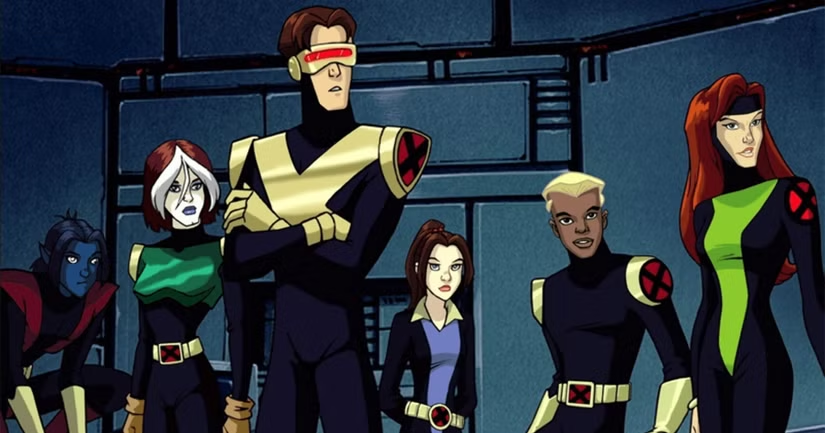
This version reimagined the X-Men as teenagers navigating Bayville High alongside their mutant training, giving the franchise a different entry point than the original series or X-Men ’97.
Robert Skir and Greg Johnson built out a Brotherhood dynamic that felt more personal, since Kitty Pryde, Rogue, and Scott Summers were dealing with adolescence and mutation at the same time. The tone stayed lighter, but the identity themes never disappeared.
It also gave characters like Nightcrawler an earlier spotlight than most adaptations, expanding the roster in ways the ’90s series didn’t have time for. The show ran for four seasons on Kids’ WB before wrapping its story.
Mutant persecution filtered through a coming-of-age lens sounds like a lighter pitch, but the show never let that framing feel small.
6. Spider-Man: The Animated Series (1994–1998)
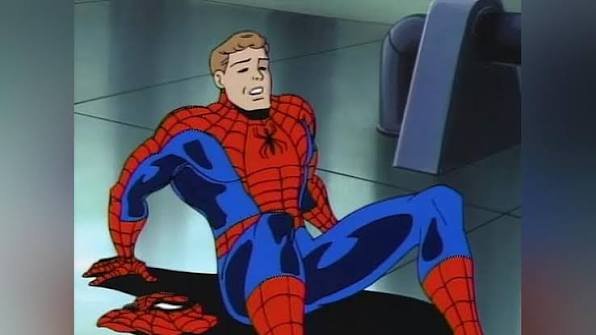
Showrunner John Semper Jr. packed this series with ambitious, multi-episode arcs, including a version of the Clone Saga and the introduction of Spider-Man 2099.
It ran alongside the original X-Men series on Fox Kids and shared its willingness to let stories stretch across weeks instead of resolving in 22 minutes. Christopher Daniel Barnes’ Peter Parker carries the emotional weight of the balancing act between hero and civilian life.
The show also pulled from decades of Spider-Man comics, giving longtime readers plenty to recognize while still working for newcomers. Villains like Venom and the Green Goblin got arcs with real buildup rather than one-off appearances.
’90s Fox Kids kids will recognize the DNA immediately, right down to the multi-week story arcs.
5. The Avengers: Earth’s Mightiest Heroes
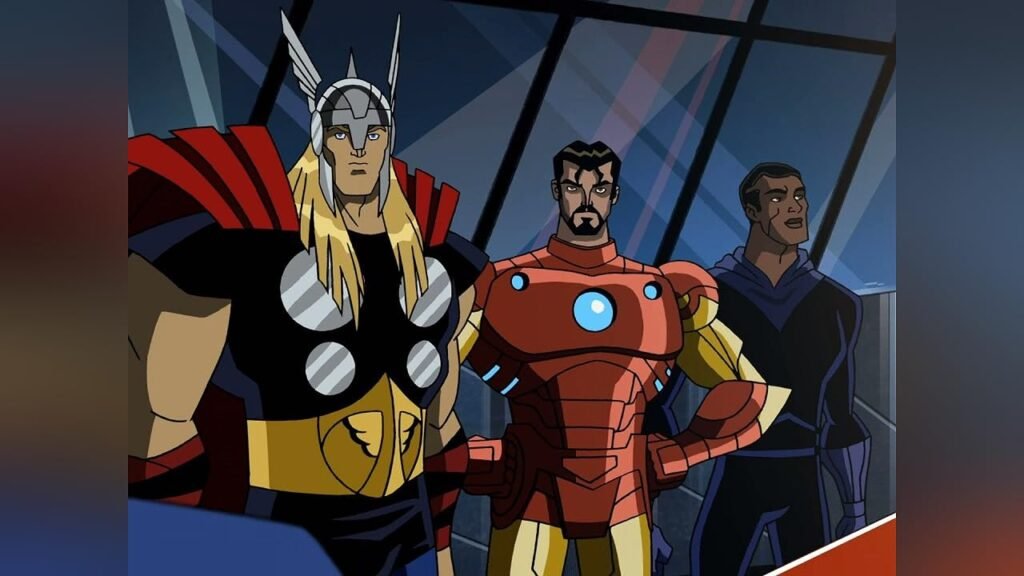
This series leaned hard into classic comic arcs the same way X-Men ’97 mines its source material, adapting stories like Kang’s invasion and the formation of the team itself. Captain America, Iron Man, and Thor get distinct, comic-accurate personalities rather than movie-informed shortcuts. The pacing across two seasons builds toward genuinely earned team moments.
It also functions as connective tissue for Marvel‘s animated universe at the time, feeding directly into Avengers Assemble. Fans who want their Marvel cartoons to feel like moving comic panels will find a lot to like here.
The show never got the mainstream attention of its MCU counterparts, but it holds up as one of the more faithful adaptations Marvel has produced.
4. Justice League Unlimited
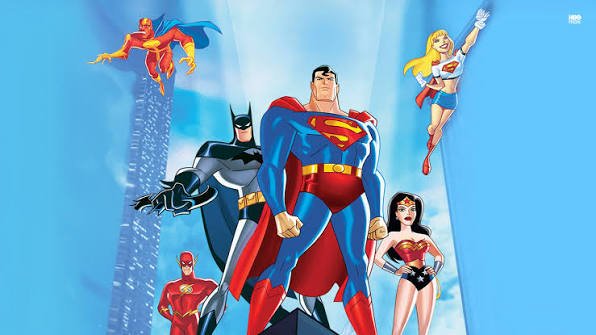
A still from Justice League Unlimited (Credit: DC Comics / Warner Bros. Animation)
Bruce Timm expanded the Justice League roster to dozens of heroes here, turning the show into a rotating showcase the way X-Men ’97 rotates its own deep bench. Batman, Superman, and Wonder Woman still anchor things, but characters like Green Arrow, Vixen, and the Question get real spotlight episodes. The scope lets the show tell smaller, stranger stories alongside its larger arcs.
As the capstone of the DC Animated Universe that began with Batman: The Animated Series, it rewards viewers who want to see years of continuity pay off. The Cadmus arc, dealing with government distrust of superpowered beings, plays like a direct cousin to mutant paranoia storylines.
Few shows balance that many characters this well without losing track of any of them.
3. Young Justice
Greg Weisman and Brandon Vietti built a show about the sidekicks and legacy heroes operating in the shadow of the Justice League, which gives it the same generational tension that runs through X-Men ’97.
Dick Grayson, Kaldur’ahm, and Wally West carry storylines about proving themselves that never feel like filler. The covert-ops framing let the show tackle espionage plots most superhero cartoons wouldn’t touch.
Outsiders and Phantoms pushed the cast into darker territory, including trafficking rings and psychological toll, without losing the character work that made the original run so beloved. Continuity across seasons rewards viewers who stick with the whole story.
It has not been renewed for a fifth season, but the four it has are dense enough to justify the watch on their own.
2. Invincible
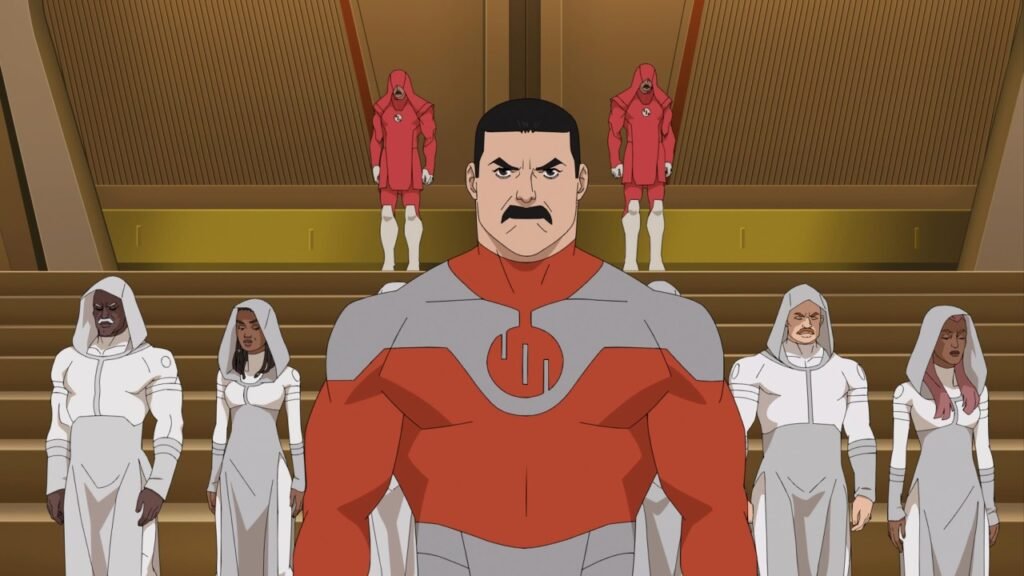
Robert Kirkman, Cory Walker, and Ryan Ottley’s comic became one of Prime Video’s biggest animated hits, and Steven Yeun’s Mark Grayson carries the same weight of legacy that defines X-Men ’97. The show shares that willingness to let violence land with real consequence instead of cutting away. J.K. Simmons’ Omni-Man remains one of the genre’s most unsettling reveals of a mentor turned threat.
Season four introduced Lee Pace as Thragg and Danai Gurira as Universa, raising the stakes further as Mark tries to hold his world together after catastrophe. Sandra Oh’s Debbie Grayson keeps the human cost of superhero fallout grounded throughout.
With seasons five and six already confirmed, this is a series built for the same kind of long-form payoff X-Men ’97 fans are craving.
1. X-Men: The Animated Series (1992–1997)
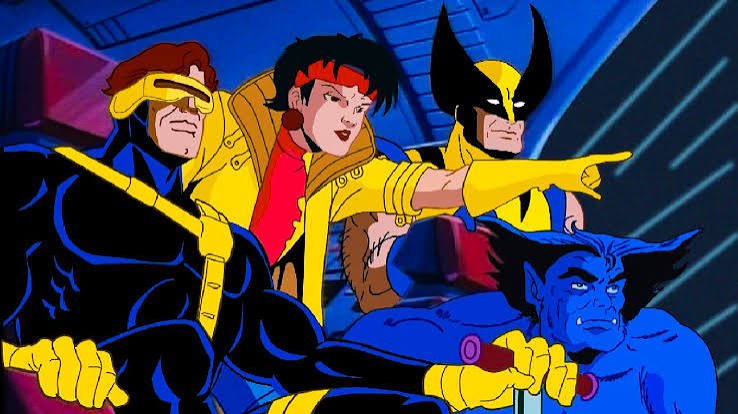
This is where it all started, and X-Men ’97 only works because the original series built such a devoted following first. Cedric Smith’s Professor X and Cal Dodd’s Wolverine set the template every version since has had to answer to. The show adapted the Dark Phoenix Saga and Days of Future Past with a seriousness Saturday morning cartoons rarely attempted.
Watching it now means seeing exactly where X-Men ’97 pulled its visual language and its willingness to let characters die. The show never softened mutant persecution into a vague metaphor. Bigotry, internment, and loss stayed on screen.
If X-Men ’97 hit hard, the original series is the reason it had that much weight to draw from.
You May Also Like:
Add us as a preferred source on Google.
[…] Related: 10 Best Animated Superhero Shows to Watch After X-Men ’97 […]
[…] Related: 10 Best Animated Superhero Shows to Watch After X-Men ’97 […]